World news and discussion on TalkFuse.
Shark sightings trigger beach alarm after swimmer is bitten during summer spike
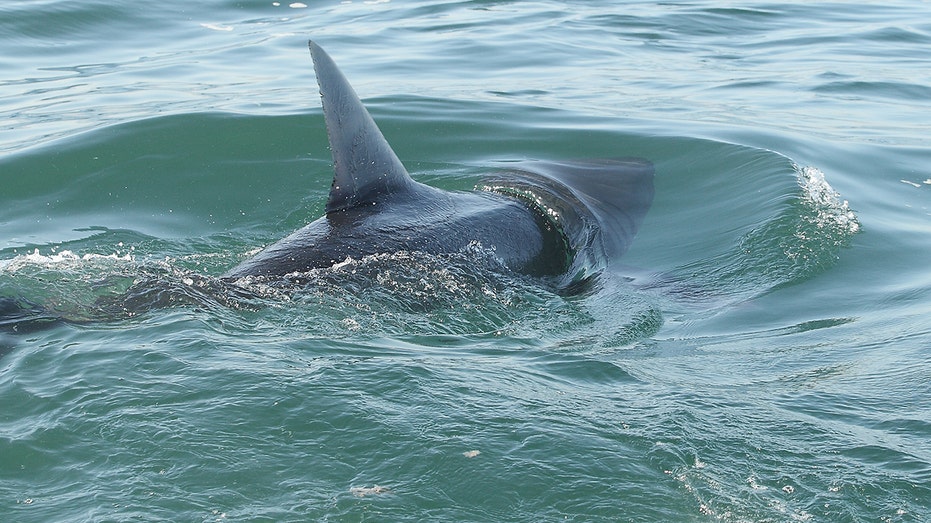
A rise in shark sightings and a confirmed shark bite have put beachgoers along the eastern coast of the United States on heightened alert during an early summer surge in encounters. A man swimming at Jones Beach State Park on Long Island, New York, over the Fourth of July weekend suffered non-life-threatening lacerations to his foot, in a bite that the New York State Department of Environmental Conservation attributed most likely to a small sand tiger shark. The incident matters because it forms part of a wider pattern of sightings, beach closures and attacks that has prompted safety warnings for the public.
Recent events cited alongside the Long Island bite include a beach closure in New York owing to bull sharks, a swimmer bitten in Queens, and a child attacked in knee-deep water in Florida. Chris Fischer, founder of the shark research organisation OCEARCH, told Fox News that shark populations have rebounded to levels last seen in the 1960s. He advised beachgoers to swim in quieter areas of the ocean and to avoid the water when bait fish are active, as these conditions draw sharks closer to shore.
In short
- Swimmer bitten by likely sand tiger shark at New York's Jones Beach.
- Sightings, closures and attacks spike along the US East Coast.
- Researcher says shark numbers have rebounded to 1960s levels.
Steelman: both sides, in good faith
The strongest fair case each way — we don't pick a winner.
The case for
The documented surge in shark sightings alongside confirmed bite incidents, corroborated by expert assessment that shark populations have rebounded to historic levels, justifies heightened public awareness and appropriate safety precautions. Multiple verified attacks within a compressed timeframe demonstrate a concerning pattern, and measures such as beach advisories and closures represent responsible protection of public safety.
The case against
Whilst individual shark incidents are regrettable, serious attacks remain statistically extraordinarily rare despite tens of millions of annual beach visits, and the apparent spike may reflect increased media attention and expanded beach usage rather than fundamentally altered risk. Proportionate, evidence-based responses are prudent, but responses disproportionate to actual threat levels risk creating unnecessary alarm and could undermine reasonable public engagement with the ocean.
Explained simply
Sharks live in coastal waters, and some species move close to shore where people swim. Sightings can lead officials to close beaches or warn swimmers, while bites are uncommon and can involve different species.
New York’s eastern coastline includes Long Island and Queens, where beaches are used heavily in summer. Sand tiger sharks are one of several species found in the region; OCEARCH is a research organisation that studies sharks and other marine animals.
Shark numbers and human activity near the water both affect how often people encounter them. Bait fish can attract sharks towards shore, so safety advice often focuses on where and when people swim.