Star City: Why Pretty Shots Were Rejected | Collider BTS
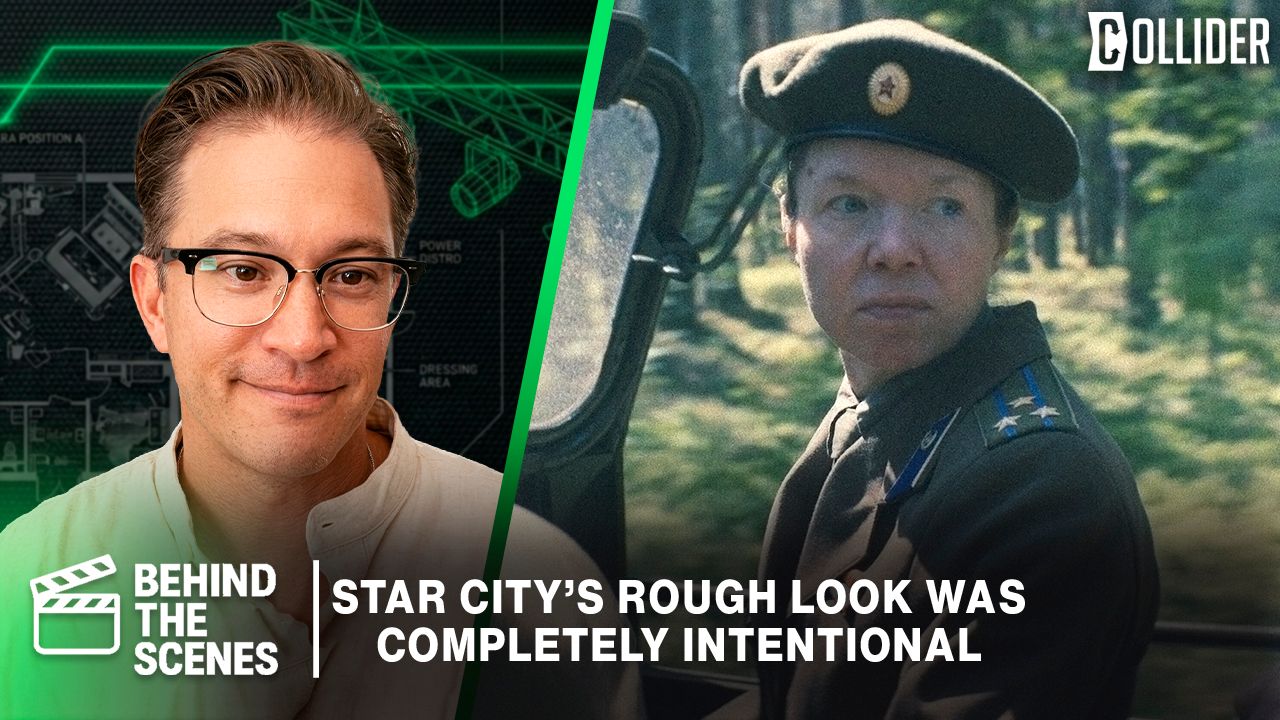
Collider has published a behind-the-scenes feature exploring the visual approach of Star City, an Apple TV+ series set in an alternate-history version of the Soviet space race. Cinematographer Brendan Uegama explains that crafting the show's look meant deliberately resisting the temptation to make every frame conventionally beautiful, prioritising a grounded, authentic feel instead.
To achieve this, the production leaned on handheld camerawork, deliberately imperfect lenses and naturalistic lighting. The piece, written by Michael Zimmermann and published on 11 July 2026, frames these choices as central to establishing the series' visual language and sense of realism.
- Star City's cinematographer avoided polished shots for a grittier, authentic look.
- Handheld cameras, imperfect lenses and natural light drive the style.
- The Apple TV+ series reimagines the Soviet space race.
New here? Start with this
Star City is an Apple TV+ series that imagines an alternate version of history where the Soviet space programme took a different path. The show blends science fiction with historical drama, exploring what might have happened if real events had unfolded differently.
The way a television series looks is as important as its story. Filmmakers make careful choices about how to film scenes, and these decisions shape how viewers feel about what they're watching. For Star City, the production team decided that making the show feel realistic and grounded mattered more than making every shot look polished or beautiful.
To create this visual style, the production used handheld cameras that move more like real life rather than gliding smoothly, lenses that don't make everything appear sharp and perfect, and lighting that looks natural rather than carefully arranged. These choices all work together to make the fictional world feel authentic and lived-in rather than like a carefully constructed set.