New releases, music videos and album news — indie, rap, rock and pop. Always covering Ren, Chris Webby, Sam Tompkins, bbno$, CHINCHILLA, Muse, Yungblud and more.
When Brian Wilson recorded the 1992 track that satirised his mental decline
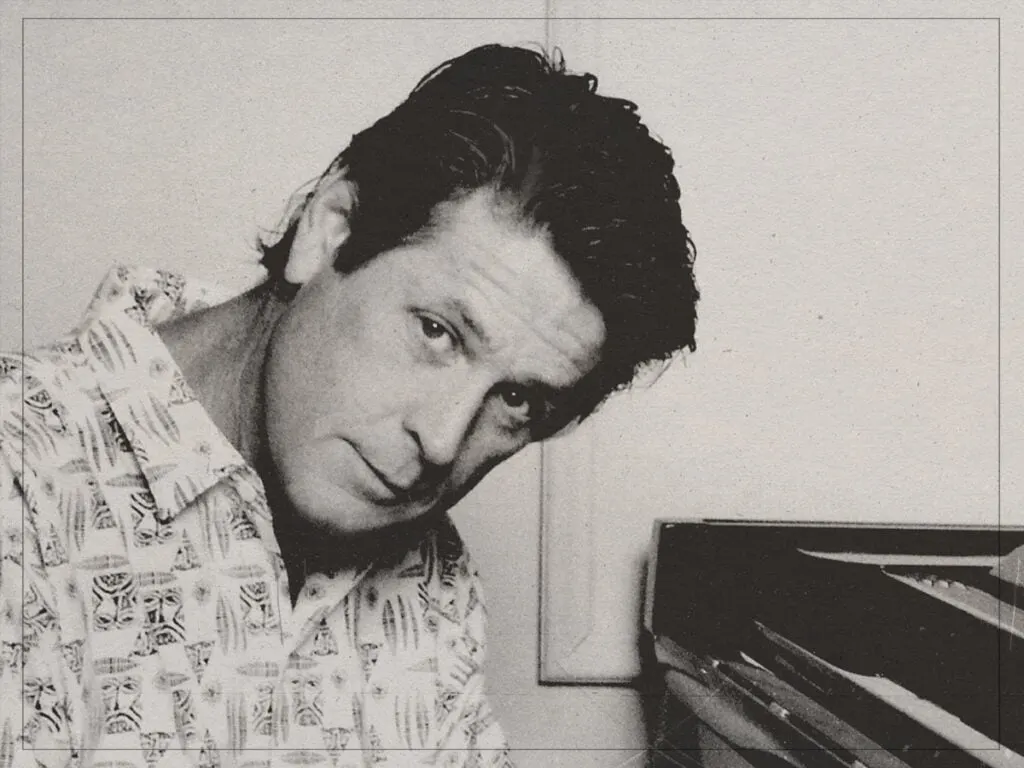
This article from Far Out Magazine looks back at a 1992 track connected to Beach Boys co-founder Brian Wilson that made light of his well-documented mental health struggles and personal decline. The piece frames the song as a satirical treatment of a difficult chapter in Wilson's life, revisiting how his troubles became a subject in popular music of the era. The story matters as part of the ongoing reassessment of Wilson's legacy and the way his personal battles have been portrayed by other artists.
The full body of the article was not available in the text provided, so the specific details, quotes and background could not be extracted. Based on the headline and standfirst alone, the focus is on a 1992 recording that referenced Wilson's mental decline in a tongue-in-cheek manner. Readers seeking the names of those involved, the circumstances of the recording and Wilson's own response would need to consult the original piece.
In short
- A 1992 song satirised Brian Wilson's mental decline.
- Far Out revisits the track and its context.
- Full article details were not available to summarise.
Explained simply
Brian Wilson is the principal songwriter and creative force of the Beach Boys, one of the most influential rock bands of the 1960s. Despite his musical innovations and significant contributions to rock history, Wilson's life since the 1970s has been marked by serious personal difficulties, including mental health problems and substance abuse issues that led to his withdrawal from the music industry.
By the 1990s, Wilson's well-publicised struggles had become a prominent topic in popular culture and among musicians. The creation of a 1992 track that satirised his decline reflects how his personal troubles had become embedded in the broader cultural landscape of that era, such that other artists felt able to reference and comment on his situation in their own work.
Discussion