Entertainment news and discussion on TalkFuse.
One of the Greatest Video Games Ever Made Is Begging for a TV Adaptation
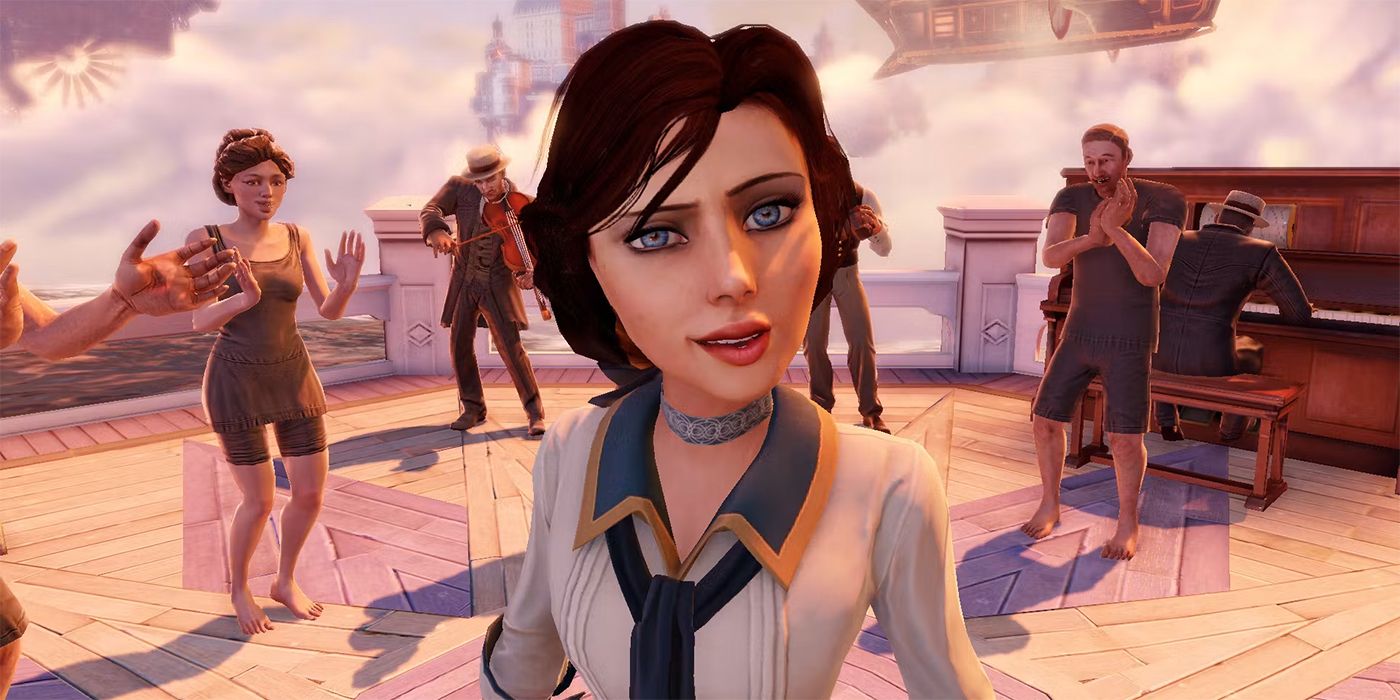
An entertainment journalist argues that the improving quality of video game-to-screen adaptations makes this an ideal moment to develop a television series based on BioShock Infinite. Modern game adaptations maintain stronger fidelity to their source material's tone and aesthetic compared to earlier efforts, suggesting the industry is now equipped to handle more narratively complex games.
BioShock Infinite, set in 1912, centres on a former detective hired to rescue a young woman from Columbia, a floating city governed by a theocratic leader inspired by historical figures including Mormon leaders and President Theodore Roosevelt. The game's unique airborne setting, dynamic character development, and layered storytelling approach are cited as qualities that would translate effectively to television, distinguishing it from earlier games in the franchise.
In short
- Video game adaptations have improved significantly in quality and critical reception in recent years, creating an opportune environment for new projects
- BioShock Infinite's distinctive 1912 steampunk setting, character development, and narrative structure position it as a compelling candidate for television adaptation
Steelman: both sides, in good faith
The strongest fair case each way — we don't pick a winner.
The case for
Video game adaptations have demonstrably improved in recent years, with works like The Last of Us demonstrating that the medium can capture complex narratives and thematic depth effectively. BioShock Infinite possesses exactly the qualities suited to television: a richly layered story, compelling character development, distinctive visual world-building, and sophisticated themes about ideology and power that would sustain multiple seasons whilst honouring the source material.
The case against
Whilst some recent adaptations have succeeded, they remain exceptions within a catalogue of mostly failed attempts; this does not represent genuine industry improvement. More fundamentally, games derive their power from interactivity and player agency—central to BioShock Infinite's impact—which television cannot replicate. Adaptation necessarily means excising what made the original meaningful, typically resulting in a diminished work that alienates fans whilst failing to justify the premise to newcomers.
Explained simply
BioShock Infinite is a video game released in 2013, set in 1912, in which a former detective is hired to rescue a young woman from Columbia, a floating city in the sky. The city is controlled by a leader inspired by historical figures including Mormon pioneers and President Theodore Roosevelt, who rules it according to his own interpretation of religion and nationalism. The game combines action gameplay with a complex narrative exploring themes about power, belief, and American identity.
Video game adaptations for television and film have improved significantly in recent years, with productions now better capturing the tone and style of their source material. Earlier attempts at bringing games to the screen often failed because they lost what made the original games distinctive or interesting to fans. This progress has created an opportunity for more narratively sophisticated games, which were previously considered too complex or abstract for television.
BioShock Infinite is being championed as an ideal candidate for adaptation because of its rich storytelling, distinctive setting in a floating city, and deep character development. The game's narrative complexity and visual world are seen as assets that would translate well to television, potentially distinguishing it from previous game adaptations. If adapted successfully, it could become a flagship example of how thoughtful game-to-screen projects can work.