Entertainment news and discussion on TalkFuse.
Netflix’s 7-Year-Old Fantasy Series Still Deserves a Second Chance After Its Divisive Ending
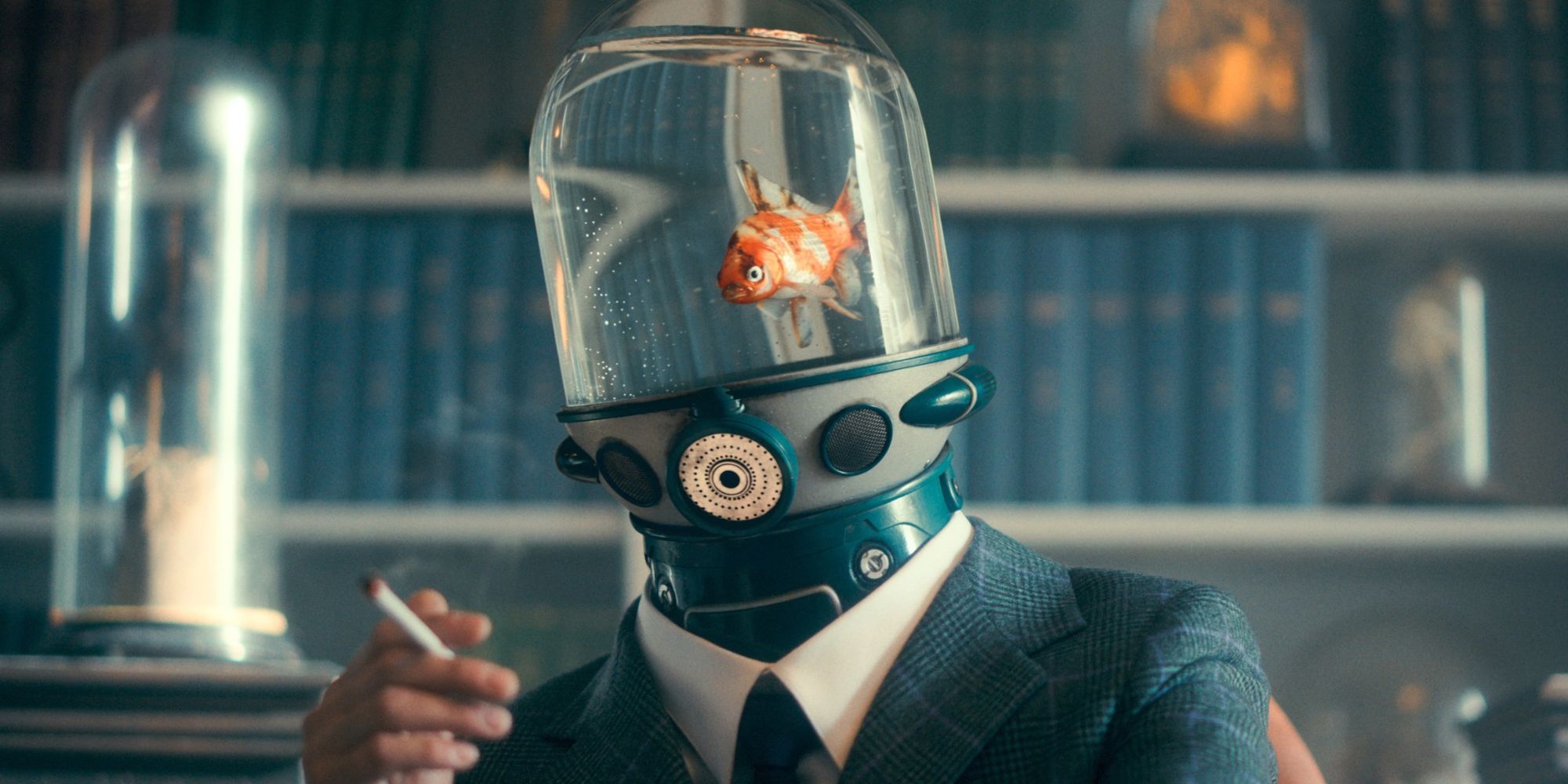
This Collider opinion piece argues that Netflix's superhero-fantasy series The Umbrella Academy, first released in 2019, remains worth watching despite a final season that split its audience. The writer contends that the show's bleak, nihilistic Season 4 conclusion — in which the adoptive siblings' repeated efforts to prevent the apocalypse ultimately come to nothing — should not overshadow the strength of its earlier seasons, drawing a comparison to how Game of Thrones's poorly received ending failed to erase the rest of its run.
Based on Gerard Way and Gabriel Bá's graphic novel, the series follows 43 children mysteriously born on the same day to women who showed no prior sign of pregnancy, seven of whom are adopted by eccentric billionaire Reginald Hargreeves (Colm Feore) and develop supernatural powers. The ensemble also features Elliot Page, Tom Hopper, Robert Sheehan and Aidan Gallagher, with each season built around a different end-of-the-world scenario. The author singles out Season 2 — which sends the characters back to the 1960s, with Number Five facing a version of himself sent to assassinate JFK, Klaus as a cult leader and Allison as a civil rights activist — as the show's creative peak, praising its blend of zaniness and emotional stakes before later seasons grew more sombre.
In short
- The Umbrella Academy is worth watching despite its divisive Season 4 ending.
- A weak finale shouldn't tarnish the show's earlier quality, the writer argues.
- Season 2's 1960s time-travel storyline is hailed as its creative peak.
Steelman: both sides, in good faith
The strongest fair case each way — we don't pick a winner.
The case for
The Umbrella Academy's first three seasons demonstrated exceptional creative ambition and emotional storytelling, with Season 2 particularly excelling at blending surrealism and character development. The quality of those earlier seasons remains unchanged by how the final season concluded; viewers can extract genuine value and enjoyment from rewatching superior episodes. A disappointing conclusion does not retroactively erase the contributions of writers, actors and creators throughout the series, and dismissing an entire show based on one season diminishes the legitimate achievements of its strongest work.
The case against
For a series fundamentally structured around preventing apocalypses across four seasons, a nihilistic ending in which none of these efforts matter transforms the entire narrative into an exercise in futility rather than meaningful drama. As a serialised narrative where character development and stakes build across seasons, the conclusion's negation of its own thematic foundation compromises the emotional experience of the whole series retroactively. Unlike anthology shows, The Umbrella Academy asks viewers to invest in an overarching plot about preventing world destruction; when that plot concludes that the investment itself was meaningless, it fundamentally undermines the storytelling contract with the audience.
Explained simply
The Umbrella Academy is a fantasy series that launched on Netflix in 2019, based on Gerard Way and Gabriel Bá's graphic novel. The story follows seven children mysteriously born on the same day to women showing no prior signs of pregnancy, who were adopted by an eccentric billionaire and discovered to possess supernatural powers.
The cast includes Elliot Page, Tom Hopper, Robert Sheehan and Aidan Gallagher as siblings with different abilities. Each of the show's four seasons centred on a different apocalyptic threat, with one season notably transporting the characters back to the 1960s where they encountered historical events and personal crises.
The series gained a dedicated audience for its creative plotting and emotional storytelling, though its final season proved divisive amongst viewers. There is debate amongst viewers about the show's overall value, particularly whether its earlier seasons are worth watching given how its story concluded.