Business news and discussion on TalkFuse.
UK’s public spending watchdog to investigate Lower Thames Crossing project
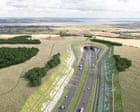
The National Audit Office (NAO), the UK's public spending watchdog, has said it plans to investigate the Lower Thames Crossing, a proposed £11bn road tunnel between Kent and Essex. The move follows sustained pressure from campaigners worried about the rising costs of one of Britain's largest infrastructure projects, and it matters because the scheme is being financed partly through public money to build what will ultimately be a privately run asset. NAO head Gareth Davies wrote to opponents saying he anticipated he would "examine and report" on the project, and that his teams had already begun tracking its progress.
Ministers committed this month to proceed with the long-delayed project after it was spared from billions of pounds in infrastructure cuts made to accommodate a £15bn rise in defence spending. The government has committed £3.1bn to constructing the twin 2.6-mile tunnel, designed to ease congestion at the Dartford Crossing, with the rest expected to come from the private sector; a further £174m of public money emerged last month, and more than £1bn has already been spent before any building begins. A licence to run the new and existing tunnels is due to be handed to a private consortium in 2029, with works scheduled for completion in 2034, while campaigners at the Transport Action Network hope the arrival of Andy Burnham as prime minister could prompt a rethink.
In short
- NAO plans to investigate the u00a311bn Lower Thames Crossing project.
- Campaigners are alarmed by rising costs and private-run financing.
- Tunnel due for completion in 2034, u00a31bn already spent.
Steelman: both sides, in good faith
The strongest fair case each way — we don't pick a winner.
The case for
Major infrastructure investment is essential for national economic competitiveness and addressing genuine bottlenecks like the chronically congested Dartford Crossing. The public-private partnership model allows the government to finance construction whilst engaging private sector expertise and operational efficiency, with users ultimately bearing long-term costs through tolls. This project has been extensively studied and refined over many years; further delays through investigations prolong congestion and accumulate additional economic costs.
The case against
Public funds should not subsidise the creation of privately operated assets, particularly when costs continually rise and accountability is limited. With over £1bn already spent before construction begins, the project demonstrates poor cost control; government should pause for rigorous scrutiny of whether this represents genuine value for money or whether lower-cost alternatives like enhanced public transport or congestion pricing could achieve the same relief more efficiently.
Explained simply
The Lower Thames Crossing is a proposed £11 billion road project comprising twin tunnels running beneath the Thames between Kent and Essex. It is designed to reduce congestion at the existing Dartford Crossing and represents one of Britain's largest infrastructure schemes currently under way. The government has committed over £3 billion of public money to the construction costs, with private investors expected to fund the remainder.
The scheme has become contentious because it combines public investment with private operation, meaning that whilst taxpayers help build the tunnels, a private company will eventually run them and collect toll revenue. Construction costs have risen significantly over the years, with more than £1 billion already spent before any major building work has begun. Critics argue this represents poor value for the public purse and have raised concerns about project management and escalating expenses.
The Lower Thames Crossing is expected to move into the construction phase over the coming years, with completion targeted for 2034. A private consortium is scheduled to take over operation of both the new tunnel and the existing Dartford Crossing in 2029. These timescales mean the project will absorb substantial public resources and remain a significant policy question for years to come.