Entertainment news and discussion on TalkFuse.
The exact moment modern cinema collapsed on itself, according to Paul Dano: “A big misstep”
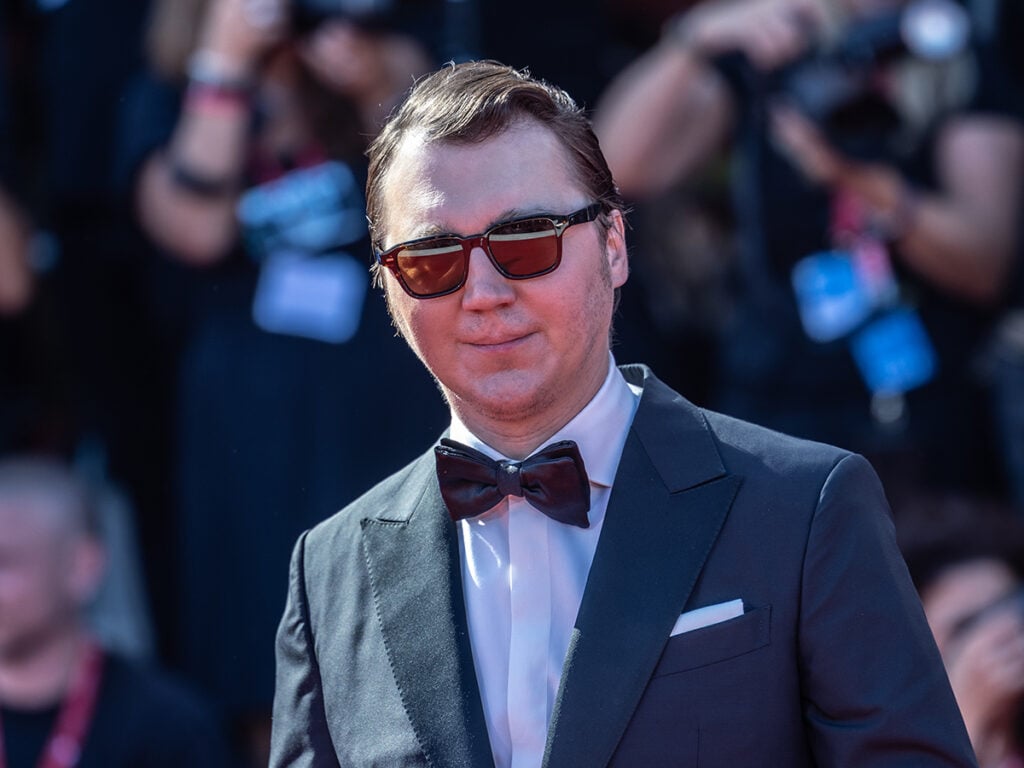
Paul Dano has aligned himself with Quentin Tarantino's long-standing concerns about the dominance of superhero blockbusters in modern cinema. Rather than condemning the genre outright, Dano suggests the industry has reached an inflection point where audiences and filmmakers must ask what comes next—whether revitalising comic book adaptations or allowing new genres to emerge. Both directors share concerns that franchise films prioritise visual spectacle over character performance, though Dano acknowledges quality entries will continue.
Dano attributes part of cinema's shift toward formulaic production to terminology. He argues that adopting 'content' as industry language has incentivised quantity over artistic merit, treating creative work as fungible product rather than distinct artistic endeavours. His filmography reflects this philosophy: he gravitates toward smaller, unconventional projects including a contested Possession remake and an ensemble drama, reserving mainstream roles for outliers like the peculiar Spaceman collaboration with Adam Sandler.
In short
- Actor Paul Dano echoes Tarantino's criticism of superhero films, arguing the genre has reached market saturation and needs either reinvention or replacement
- Dano identifies the shift toward calling creative work 'content' as undermining film quality in favour of volume production
- The actor prioritises unconventional artistic projects over mainstream blockbusters, with upcoming roles in an avant-garde remake and an ensemble thriller
Steelman: both sides, in good faith
The strongest fair case each way — we don't pick a winner.
The case for
The superhero franchise's dominance in studio financing and theatrical distribution has crowded out diverse storytelling and limited artistic risk-taking at the industrial level. The industry's adoption of 'content' as standard language reflects a philosophical shift from cinema as distinct artistic endeavours toward interchangeable product, which disincentivises the character-driven, performance-focused work that distinguished cinema as an art form.
The case against
The commercial success of superhero films reflects authentic audience demand and has expanded cinema's reach, whilst artistically ambitious work continues to be produced across multiple funding and distribution models. 'Content' is simply contemporary business terminology that doesn't prevent excellent filmmaking; the real question is whether quality work exists, which it demonstrably does, suggesting the issue is changing distribution rather than fundamental artistic decline.
Explained simply
Superhero and franchise films have dominated cinema over the past fifteen years, with major studios investing heavily in comic book adaptations and sequels. This shift has sparked debate among filmmakers and critics about whether the film industry is pursuing the right creative priorities.
Director Quentin Tarantino has long raised concerns that blockbuster franchises prioritise visual spectacle over strong character work and storytelling. Actor Paul Dano, known for pursuing unconventional and challenging roles, has recently joined this conversation, sharing similar worries about the direction of modern cinema and its impact on what kinds of films get made.
This debate reflects broader questions about cinema's artistic future. Whether blockbuster franchises dominate the industry or space remains for other types of storytelling determines what films get made and what audiences are offered.