Culture news and discussion on TalkFuse.
3 Heartland Rock Songs From the 80s That Made Working-Class America Sound Cinematic
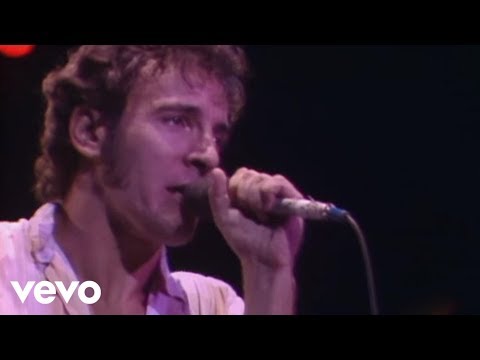
A music criticism article examines three heartland rock songs from the 1980s that combine cinematic sound production with working-class themes. The selections include Springsteen's intimate family portrait in 'The River', Mellencamp's account of the Midwestern farm crisis, and Seger's nostalgic elegy for Detroit autoworkers during the manufacturing era's decline. Each song balances emotional resonance with documentary-like attention to specific historical hardships.
The article argues these songs achieved a distinctive aesthetic by treating working-class life as worthy of grand, sweeping musical treatment—neither condescending nor ignoring the genuine difficulties their subjects faced. The songs function as both celebrations of working communities and laments for lost economic opportunity, using vivid imagery and strong melodies to give personal dimension to broader economic disruptions.
In short
- American Songwriter highlights three 1980s heartland rock songs that cinematically portray working-class experiences with emotional depth
- The featured songs—by Springsteen, Mellencamp, and Seger—address specific economic crises (farm collapse, auto industry decline) whilst romanticising the lives they chronicle
- The songs acknowledge real struggles whilst elevating working-class narratives through artful musicianship and poetic storytelling
Steelman: both sides, in good faith
The strongest fair case each way — we don't pick a winner.
The case for
These songs merit serious critical acclaim for treating working-class American experience as worthy of sophisticated artistic attention. By combining strong melodic and production artistry with specific historical detail and genuine emotional honesty, they rendered these communities' struggles with dignity—treating the subject neither patronisingly nor sentimentally, but according it the grandeur of serious artistic treatment.
The case against
Whilst these songs demonstrate considerable musical skill, they risk romanticising working-class suffering in ways that ultimately serve audiences' desire for catharsis rather than the communities depicted. The 'cinematic' aesthetic can distance listeners from the immediacy of hardship, and the nostalgic framing may obscure systemic economic issues or reinforce narratives that serve particular interests over those of working-class communities.
Explained simply
Heartland rock emerged in the late 1970s and 1980s as a movement featuring artists like Bruce Springsteen, John Mellencamp, and Bob Seger, who composed music centred on American working-class life, particularly in industrial and rural regions. The genre blended the artistic ambition of rock music with narratives and settings that had previously been largely absent from popular music of comparable commercial scale.
The 1980s were a period of severe economic disruption for working communities across America's manufacturing belt and agricultural regions, with factory closures and farm failures reshaping entire towns and families. These economic upheavals represented a dramatic shift from the postwar era of stable industrial employment that had defined the American working class.
Heartland rock songs responded to these changes by treating working-class life and hardship as subjects worthy of the same musical sophistication and narrative depth typically reserved for other themes. This approach gave cultural visibility and artistic weight to communities and experiences that often went unacknowledged in mainstream entertainment.
Art Culture Entertainment Film Music