‘You want to reach out and touch everything’: why Labyrinth is my feelgood movie
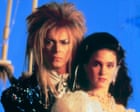
This Guardian piece is a personal appreciation of the 1986 fantasy film *Labyrinth*, presented as the writer’s “feelgood movie”. The author explains that the film matters to them because it evokes a childhood truce with their sister, while also arguing that its handmade, practical-effects world gives it a tactile, imaginative quality that feels especially distinctive today. The article positions *Labyrinth* not as a critical reassessment of its plot, but as a defence of its emotional pull, visual inventiveness and enduring cult appeal.
The writer recalls seeing the film in December 1986, drawn by Jim Henson, David Bowie and the film’s playground buzz, despite its earlier US box-office failure. They outline the premise: Sarah, played by Jennifer Connelly, accidentally summons goblins to take her baby brother and is challenged by Bowie’s Goblin King, Jareth, to solve a maze within 13 hours. Key details used to support the argument include Henson’s reliance on practical effects, Michael Moschen performing the crystal-ball sequences, and the film’s acknowledged influences from *The Wizard of Oz*, *Alice in Wonderland* and Maurice Sendak, alongside memorable set pieces such as “Magic Dance”, Ludo, the Fire Gang and the Bog of Eternal Stench.
- A writer explains why *Labyrinth* remains their feelgood film.
- Its practical effects and imagination are praised as timeless.
- The film is tied to a vivid childhood memory.