Square Enix scores an own goal: Octopath Traveler Switch 2 ports revive 2 great JRPGs, but with no upgrade path or save data transfer
Developed over time first seen 3 months ago
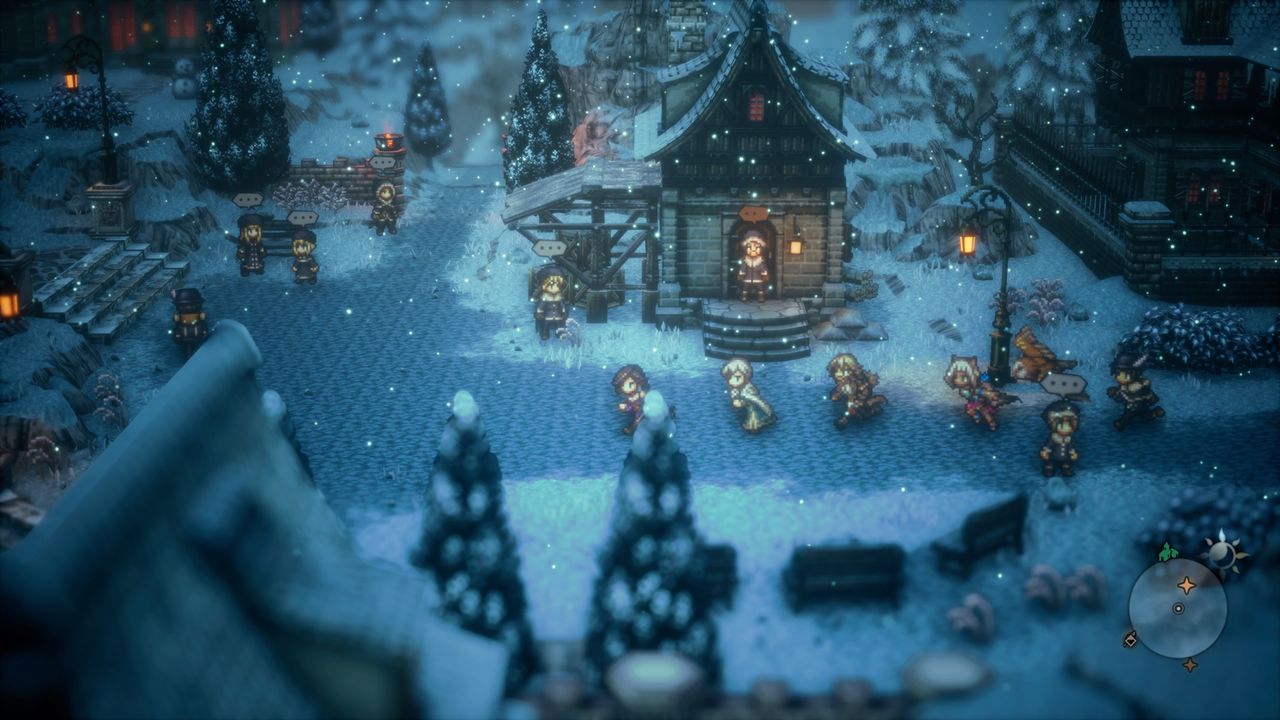
Square Enix has released Switch 2 versions of Octopath Traveler and Octopath Traveler 2, bringing two well-regarded JRPGs to Nintendo’s newer hardware, but the move has drawn criticism because existing Switch owners are not being offered an upgrade path. The article argues this matters because it makes returning players pay again for improved versions and creates friction for fans who may have expected a more consumer-friendly transition between Nintendo platforms.
A further point of frustration is that save data cannot be transferred from the original Switch releases to the Switch 2 ports, meaning players must start over even if they already own and have spent time with the games. The piece frames this as an avoidable misstep by Square Enix, especially given the strong reputation of both titles and the broader industry expectation that re-releases on new hardware should ideally support either discounted upgrades, save migration, or both.
- Sources
- 2
- Outlets
- 2
- Left · Centre · Right
- 0 · 0 · 0
In short
- Switch 2 ports arrive without an upgrade path
- Players also cannot transfer save data
- Critics see it as a consumer-unfriendly decision
How this story developed
- 3 months ago Square Enix has released Switch 2 versions of Octopath Traveler and Octopath Traveler 2, bringing two well-regarded JRPGs to Nintendo’s newer hardware, but the move has drawn criticism because existing Switch owners are not being offered an upgrade path.
Steelman: both sides, in good faith
The strongest fair case each way — we don't pick a winner.
The case for
Porting established games to new hardware entails real development costs that must be recouped, and the industry standard is that such ports constitute separate purchases rather than free upgrades to existing owners. Square Enix's approach aligns with common practice across publishers; whilst some offer upgrade paths, this remains inconsistent industry-wide, and companies bear no obligation to subsidise players' transitions between hardware generations. The original Switch versions remain fully playable, and save data transfers, though convenient, can present genuine technical complications when moving between different platforms. Players choosing to purchase the Switch 2 versions do so voluntarily, and their availability on new hardware ultimately expands access to these acclaimed titles.
The case against
The decision reflects a shortsighted prioritisation of immediate revenue over customer loyalty during a transition that Square Enix could reasonably manage with greater fairness. Existing players invested in these well-regarded games with reasonable expectations that porting to new hardware—particularly within the same manufacturer's ecosystem—would include either upgrade pricing or save migration, both increasingly standard amongst major publishers. Forcing repurchase and obligating players to restart undermines goodwill without clear offsetting benefit, since other studios have demonstrated that upgrade paths and transfers are technically feasible. For franchises built on player engagement and community, this approach seems commercially shortsighted as well as consumer-unfriendly.
Explained simply
Square Enix has released Switch 2 editions of Octopath Traveler and Octopath Traveler 2, a pair of retro-styled role-playing games known for their pixel-art visuals and branching, multi-character storylines. Both titles were originally praised on the standard Nintendo Switch, and the new versions are designed to take advantage of the more powerful successor console.
The games are being sold as standalone purchases rather than as discounted upgrades for people who already own them on the original Switch, and progress made in the earlier versions cannot be carried over. This is relevant because it touches on a wider debate in gaming about how publishers should treat loyal customers when hardware generations change, particularly around fair pricing and continuity of save data.
Square Enix is a major Japanese video game publisher behind long-running franchises such as Final Fantasy and Dragon Quest, while the Octopath Traveler series has built a smaller but devoted following since its 2018 debut. The situation is being watched as a test case for how other publishers might handle similar re-releases as more games move to Nintendo's newer hardware.
Coverage · 2 sources
Culture Entertainment Gaming Travel
Read the full article at the source →
Originally published by GamesRadar+ as “Square Enix scores an own goal: Octopath Traveler Switch 2 ports revive 2 great JRPGs, but with no upgrade path or save data transfer”.