Entertainment news and discussion on TalkFuse.
10 Movie Sequels That Had Absolutely No Reason To Exist
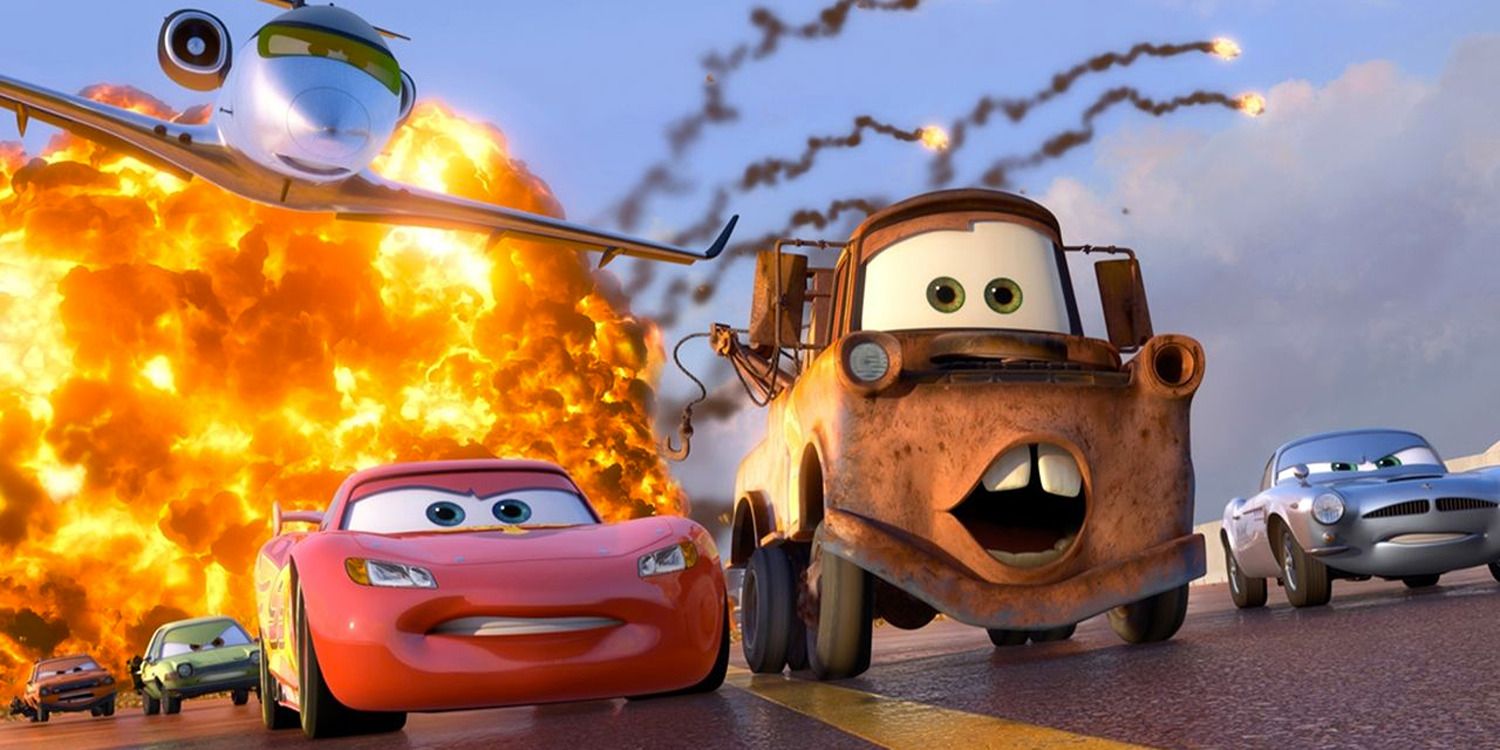
Collider has published a list of ten film sequels it considers to have had no real reason for existing, arguing that although sequels can occasionally match or improve on their originals, many are cynical cash-grabs made without genuine creative motivation. The piece highlights how studios often continue franchises long after audience interest or narrative need has faded, resulting in films that add little beyond diminishing the reputation of the original.
Among the examples discussed are "Wrath of the Titans" (2012), criticised for following an already poorly received remake and failing to give Sam Worthington a compelling role; "The Huntsman: Winter's War" (2016), which struggled after star Kristen Stewart declined to return and wasted a cast including Emily Blunt, Jessica Chastain and Charlize Theron; and "Zoolander 2" (2016), a comedy sequel released 15 years after the original that felt dated and lacked enthusiasm from its cast. The full list runs to ten entries, though only the first few are detailed in the excerpt provided.
In short
- Collider lists ten sequels it says had no creative justification.
- Cited examples include "Wrath of the Titans" and "The Huntsman: Winter's War".
- "Zoolander 2" criticised for arriving 15 years too late.
Steelman: both sides, in good faith
The strongest fair case each way — we don't pick a winner.
The case for
Critics of unnecessary sequels argue that studios frequently exploit established franchises purely for profit, continuing sagas long after creative momentum and audience appetite have genuinely exhausted themselves. They contend that such cynical cash-grabs squander talented performers and production resources on films that add nothing of value and actively diminish the legacy of beloved originals, exemplifying corporate filmmaking at its most creatively bankrupt.
The case against
Supporters counter that labelling a film as having "no reason to exist" imposes a subjective artistic standard that unfairly dismisses sequels' legitimate purposes. They argue that filmmakers often harbour genuine creative ambitions for continued stories, that commercial viability enables industry employment and future projects, and that audience enjoyment—however varied—validates a film's existence regardless of critical estimation. Success need not be measured solely by artistic innovation or whether purists felt a sequel was necessary.
Explained simply
A film sequel is a new movie that continues the story of an earlier film. Studios produce sequels because they build on established fan bases and recognisable brand names, which can lead to commercial success, though not always to positive critical reception.
Entertainment publication Collider has published an article listing ten sequels it argues had no genuine creative purpose, contending that although some sequels match or improve on their originals, many are produced primarily for financial reasons rather than narrative necessity. Examples discussed include "Wrath of the Titans", "The Huntsman: Winter's War" and "Zoolander 2".
Understanding this debate matters because it illuminates how commercial considerations shape filmmaking decisions. It also reflects broader questions about the relationship between audience expectations, studio profits and artistic merit in the film industry.