World news and discussion on TalkFuse.
JOHN YOO: Barrett and Kagan’s safety plea exposes the left’s war on the Supreme Court
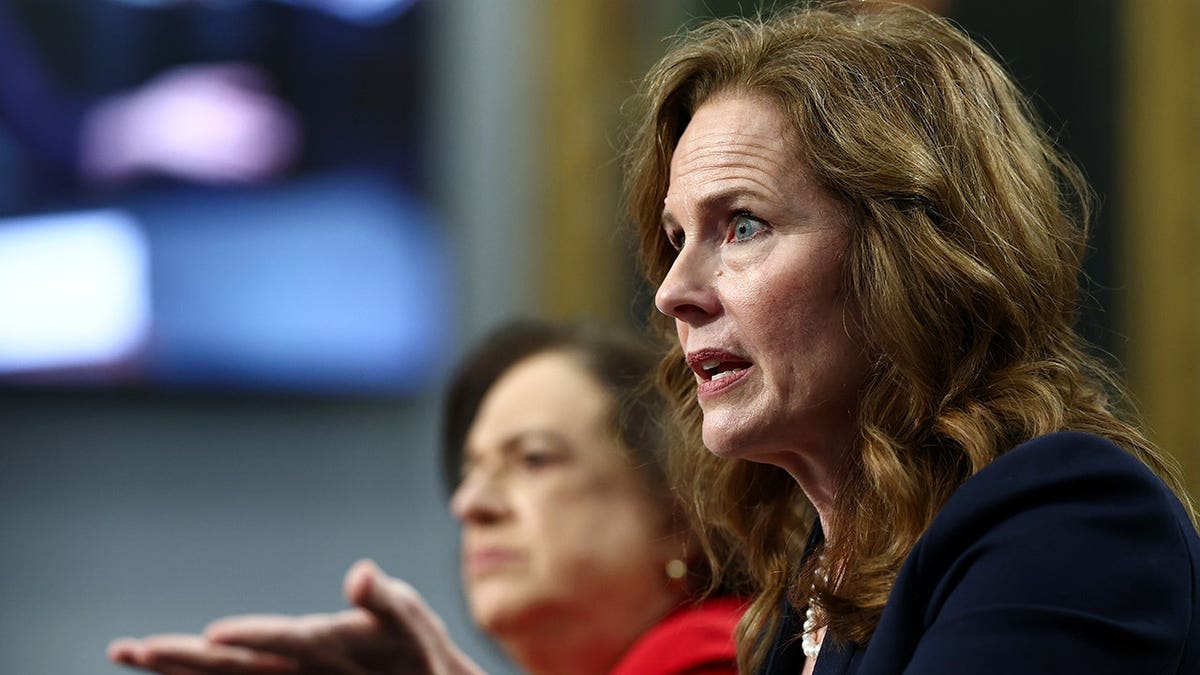
This Fox News opinion article by John Yoo argues that comments from Supreme Court Justices Amy Coney Barrett and Elena Kagan about security threats illustrate a broader campaign of hostility towards the US Supreme Court. It centres on Barrett’s account to Congress of having to explain a bulletproof vest to her son, using that example to claim that political attacks on the court have created a dangerous climate. The article matters because it links concerns about judges’ safety to the wider political conflict over the court’s legitimacy and decisions.
A key detail is Barrett’s testimony that the threat level facing federal judges remains “really high” following the leak of the Dobbs decision. The piece says the Supreme Court requested an extra $14.6 million as part of a $228 million budget request, with security cited as a major reason. Framed as commentary rather than straight reporting, the article presents these facts to support Yoo’s argument that criticism of the court, especially from the left, is contributing to real-world risks for justices.
In short
- Yoo links security threats to criticism of the Supreme Court
- Barrett said threats forced her to explain body armour at home
- The court requested extra funding to strengthen security
Steelman: both sides, in good faith
The strongest fair case each way — we don't pick a winner.
The case for
The Supreme Court faces documented security threats that Barrett testified remain 'really high', and when a co-equal branch of government becomes a focal point of intense political hostility and is publicly branded as illegitimate, there are real-world consequences for justices' safety. This is not an argument against legitimate criticism of decisions, but rather an acknowledgment that sustained, heated rhetoric depicting the court as an enemy institution can contribute to a climate where some see violence as justified. Democratic discourse benefits from considering how our words affect public safety, and there is a meaningful distinction between legitimate criticism and rhetoric that systematically delegitimises the institution itself.
The case against
The Supreme Court cannot be exempt from the robust criticism that democracy demands of all powerful institutions, particularly one that has recently overturned settled constitutional law affecting millions of people's rights. Using security threats to discourage criticism risks chilling legitimate democratic debate and making justices unaccountable; moreover, there is no clear evidence that measured legal criticism has directly caused threats, and attributing security risks primarily to political rhetoric oversimplifies causation. Constitutional democracy requires maintaining both the security of officials and their institutions' accountability to public scrutiny, and using safety concerns to delegitimise dissent threatens democratic principles themselves.
Explained simply
The US Supreme Court is America's highest court, with nine justices appointed for life. It makes landmark constitutional decisions that shape national policy, making it a focal point of intense political attention and debate.
The court has become increasingly politically contentious following major rulings, particularly its 2022 decision overturning the federal right to abortion. In response, federal judges have reported significantly increased security threats, leading the court to request additional funding for protective measures.
There is ongoing debate about what has fuelled increased threats against justices. The discussion focuses on whether and to what extent political criticism of the court's decisions bears responsibility for the security concerns judges now face.