Culture news and discussion on TalkFuse.
‘People are picking the dumbest fights’: the tortured history of America’s culture wars
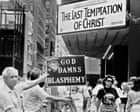
The article profiles the writer Isaac Butler and his new book on the origins of America’s modern culture wars, arguing that today’s political battles over art, speech and identity have deep roots in the late 1980s. Butler traces how the religious right shifted from cold war politics to domestic fights over contemporary art, turning culture into a political battleground. The piece matters because it links current disputes over censorship and free expression to earlier clashes, suggesting that the same arguments are being repeated in a more intense form.
A key example for Butler was the 2020 postponement of a Philip Guston retrospective, which he saw as a misguided response by arts institutions despite Guston’s lifelong anti-racist record and Jewish background. Butler, 47, describes that earlier era as the “birth of the modern culture wars”, comparing it to a first world war while casting the present moment as a second. The article also highlights figures and flashpoints from that period, including David Wojnarowicz, Andres Serrano’s Piss Christ, Robert Mapplethorpe and protests over The Last Temptation of Christ, to show how disputes over art became highly politicised.
In short
- Isaac Butler links today’s culture wars to 1980s art battles.
- He argues free expression should remain a leftwing value.
- The article frames current conflicts as a repeat of older fights.
Steelman: both sides, in good faith
The strongest fair case each way — we don't pick a winner.
The case for
Butler's historical analysis provides crucial context showing that contemporary culture wars follow established patterns from the late 1980s, with familiar arguments now repeating with greater intensity. Understanding this cyclical nature helps societies recognise institutional overreach, such as postponing retrospectives of demonstrably anti-racist artists, and suggests that measured, historically informed approaches might break the pattern of escalating conflict rather than feed it further.
The case against
Whilst historical precedents exist, framing current cultural debates purely as repetition obscures genuine shifts in representation and institutional accountability driven by previously marginalised communities. What Butler characterises as frivolous disputes often reflect real stakes for those seeking visibility in institutions that historically excluded them. Dismissing these as cyclical 'dumbest fights' risks diminishing legitimate claims about who controls cultural institutions and whose perspectives shape them.
Explained simply
America's "culture wars" are political disputes over art, free speech and identity that have become increasingly intense in recent decades. Writer Isaac Butler has traced these battles back further than most accounts do, arguing that their origins lie in the late 1980s when religious conservatives shifted away from Cold War politics and began targeting contemporary art and cultural expression. Butler describes this period as the "birth of the modern culture wars".
The early flashpoints of this conflict included fights over controversial artworks such as Andres Serrano's "Piss Christ" and photographer Robert Mapplethorpe's work, as well as protests against films like The Last Temptation of Christ. These disputes helped turn questions of artistic freedom into major political battlegrounds, transforming what might have remained niche arguments into part of broader ideological struggles.
Understanding this history matters because the same underlying tensions that sparked fights over art in the 1980s remain active today, whether in debates over museum exhibitions, film censorship or what can be said publicly. By recognising these disputes are not entirely new but have evolved over decades, observers can better understand what drives current arguments over free expression and cultural representation.
Art Celebrity Culture Entertainment