Science news and discussion on TalkFuse.
Two capybara pups born at Longleat
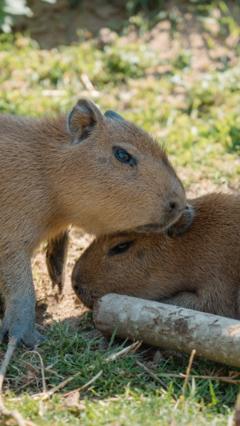
Longleat has announced the birth of two capybara pups, adding to the population of the large South American rodents at the Wiltshire safari park. The story is mainly of public interest because capybaras are a popular attraction and births like these are often presented as a positive sign for animal care and conservation work at wildlife parks.
The item appears as a short BBC News video published about an hour ago and linked to a longer related report. It is tagged under Longleat, Animals and Conservation, indicating the focus is both the new arrivals themselves and the wider role of zoos and safari parks in breeding and caring for species. No further details are given in the text provided about the pups' sex, weight or exact birth date.
In short
- Longleat has welcomed two newborn capybara pups
- The birth is being highlighted as a notable animal update
- Few extra details were provided in the text shown
Explained simply
Capybaras are large, semi-aquatic rodents native to South America and are the world's largest living rodents. They are widely kept in zoos and safari parks. Longleat is a safari park located in Wiltshire.
Wildlife parks like Longleat run breeding programmes for many animals in their collections. These programmes help maintain healthy populations and contribute to conservation efforts, particularly for species facing challenges in their natural habitats. Breeding success at such parks indicates that animals are being cared for appropriately.
The births of young animals at wildlife parks are often reported to the public because they relate to the parks' work on conservation and animal welfare. These stories help raise awareness about the animals themselves and the role that zoos and safari parks play in protecting species.