Entertainment news and discussion on TalkFuse.
The 15 Best Fantasy TV Shows of the Last 10 Years, Ranked
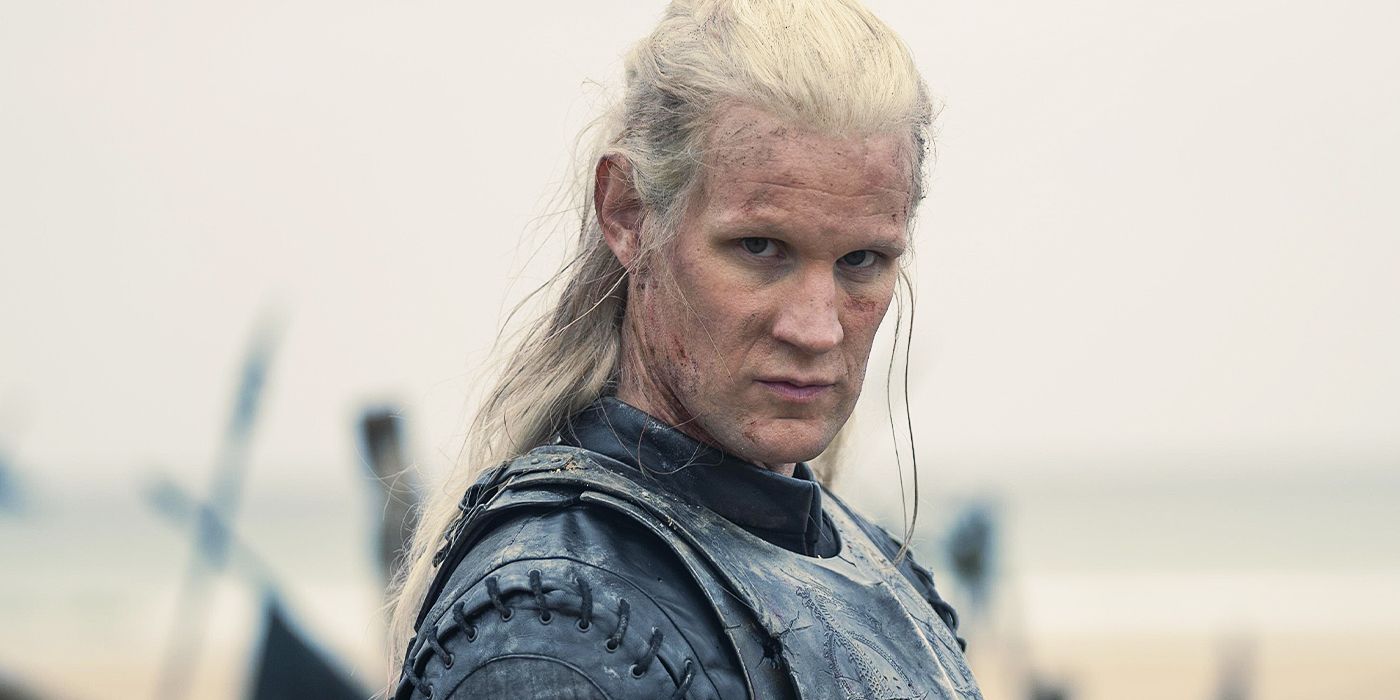
This Collider article ranks the 15 best fantasy television shows released over the past decade, a period in which streaming platforms have poured significant budgets into the genre following the success of earlier hits. The list weighs both critical quality and commercial success, and includes shows currently airing as well as completed series, reflecting how fantasy has become a reliably lucrative and popular category across networks.
Entries include Amazon Prime Video's "The Lord of the Rings: The Rings of Power" (2022–present), which divides Tolkien purists but has proven a major draw for casual viewers; Netflix's "The Witcher" (2019–present), praised for its strong first season but criticised for declining quality and a recast lead actor; and "Good Omens" (2019–2026), a comedy adaptation of the Terry Pratchett and Neil Gaiman novel praised for its wit despite only receiving two seasons.
In short
- Collider ranks the 15 best fantasy TV shows of the past decade
- Rings of Power is polarising but commercially very successful
- The Witcher and Good Omens also feature despite recent setbacks
Explained simply
Over the past decade, fantasy television has become one of the entertainment industry's most lucrative and popular categories, driven by streaming platforms' substantial investment in the genre following the success of earlier popular fantasy shows. This shift has created a diverse landscape of fantasy content across networks and streaming services.
When earlier fantasy television shows proved both commercially and critically successful, streaming platforms responded by investing heavily in the genre, developing both high-profile adaptations of existing source material and original productions. This strategy has proven successful, with fantasy shows now reliably attracting large audiences and generating significant discussion across the industry.
The current range of fantasy programming spans different scales and approaches, from major productions to smaller series, and includes both completed shows and ongoing programmes. This diversity demonstrates why the genre has become such a central priority for entertainment companies seeking profitable and popular content.