Politics news and discussion on TalkFuse.
Credibility crisis: Graham Platner received glowing media coverage before dramatic exit from Senate race
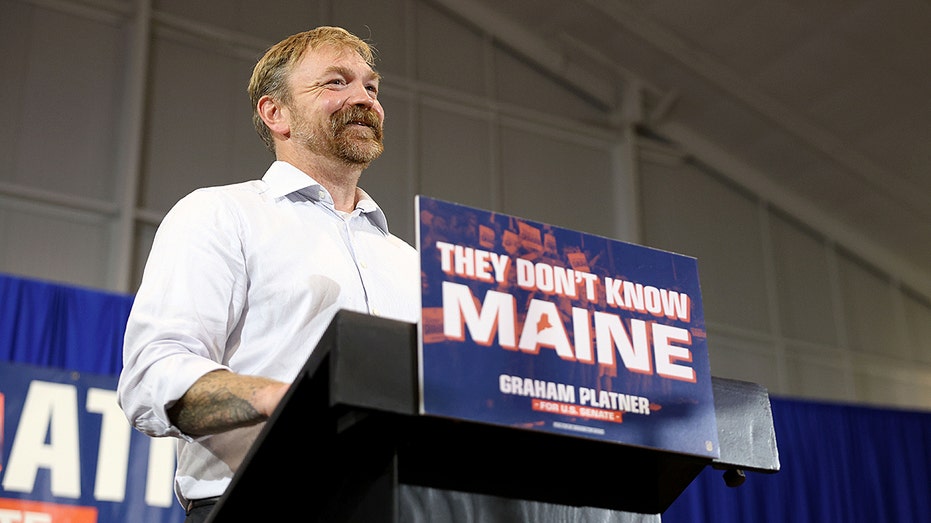
Democratic Senate hopeful Graham Platner withdrew from Maine's 2026 race last week following a series of scandals, including a rape accusation, after previously receiving largely favourable coverage from mainstream US media outlets. Fox News argues that legacy media had built up Platner as a "salt-of-the-earth" oyster farmer capable of winning back male voters and defeating long-serving Republican incumbent Susan Collins, framing his sudden collapse as evidence of a broader credibility problem in political journalism.
The article contends that the sympathetic early portrayal of Platner did not adequately scrutinise his background before the allegations emerged, contributing to what it describes as a "credibility crisis" for outlets that had championed his candidacy. Platner's exit leaves the Maine Senate race, previously seen as a potential Democratic pickup opportunity against Collins, without its most prominently promoted challenger.
In short
- Graham Platner quit Maine's Senate race amid a rape accusation and other scandals.
- He had earlier received largely positive media coverage as a relatable outsider candidate.
- Article criticises media for failing to scrutinise him before his collapse.
Steelman: both sides, in good faith
The strongest fair case each way — we don't pick a winner.
The case for
Media outlets that provided enthusiastic coverage of Graham Platner without rigorous background checks failed a fundamental journalistic responsibility to scrutinise candidates before promoting them to voters. The rapid emergence of serious allegations after the favourable coverage suggests that deeper investigation would have been warranted before investing editorial resources in portraying him as a viable electoral option, and this pattern of inadequate due diligence reasonably undermines public trust in political reporting.
The case against
Media outlets cannot reasonably be expected to investigate allegations that have not yet entered the public sphere, and covering emerging political candidates with genuine interest is standard practice in political journalism. The appearance of new accusations after initial coverage reflects changed circumstances rather than journalistic negligence, and outlets reporting evolving information responsibly should not be faulted for facts that were unknown at the time of their earlier coverage.
Explained simply
Maine's 2026 Senate race was shaping up as a significant contest for control of Congress. The seat is held by Republican Susan Collins, and Democrats identified it as a potential pickup opportunity. Graham Platner, an oyster farmer without previous political experience, became the Democratic party's most prominent challenger.
Platner's background and everyman appeal attracted considerable positive coverage from major US media outlets, which portrayed him as capable of winning back rural and male voters for Democrats. This early coverage raised his profile and established him as a serious contender. However, these outlets did not thoroughly investigate his background before offering such favourable coverage.
The situation shifted dramatically following serious allegations against Platner, leading to his withdrawal from the race. The contrast between his previously positive media portrayal and the subsequent revelations has prompted scrutiny of whether major outlets failed to investigate candidates adequately, raising broader questions about journalistic responsibility and credibility in political coverage.