World news and discussion on TalkFuse.
African growth boom follows Trump push to replace aid with trade
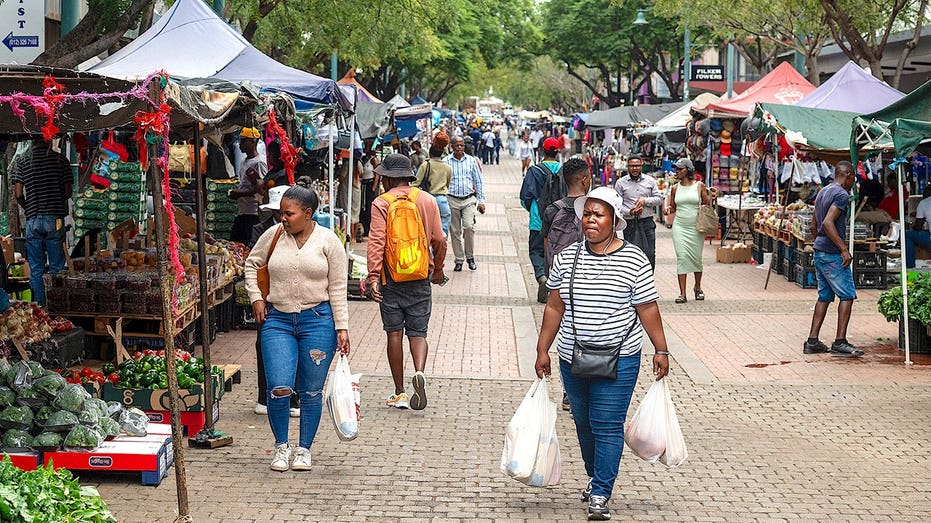
Many African economies are seeing accelerated growth after the Trump administration shifted its approach from foreign aid towards trade, according to a senior US State Department official who spoke to Fox News Digital. Although sharp cuts to USAID funding had prompted warnings of economic hardship for African nations, officials say the region has instead experienced notable growth, which they attribute to the Commercial Diplomacy Strategy launched at the start of President Trump's second term.
The policy shift replaces traditional aid programmes with an emphasis on trade and commercial partnerships. According to the State Department official, nine of the world's 20 fastest-growing economies are now in Africa, a development being cited by the administration as evidence that its aid-to-trade approach is paying off, though the change has also reignited wider debate over the role and value of US foreign aid.
In short
- African economies grow faster after US shifts from aid to trade policy
- Nine of top 20 fastest-growing global economies now in Africa
- Trump's Commercial Diplomacy Strategy credited despite USAID funding cuts
Steelman: both sides, in good faith
The strongest fair case each way — we don't pick a winner.
The case for
Trade-based engagement respects African nations' agency and creates sustainable, mutually beneficial economic relationships rather than structures that risk fostering aid dependency. When countries compete commercially and develop genuine trade partnerships, they build real productive capacity and competitive industries, which can generate more durable growth than aid-funded programmes alone. The administration's data showing nine of Africa's twenty fastest-growing economies suggests this approach may be delivering tangible results.
The case against
Sharp cuts to aid programmes risk undermining public health, education, and development infrastructure that took years to establish, and attributing African growth entirely to a recent policy shift ignores longstanding economic trends and overlooks that trade and aid are complementary rather than mutually exclusive. Critics note that vulnerable populations often depend on aid-funded services, and the administration's correlation between the policy change and growth may mistake coincidence for causation, whilst raising concerns that commercial interests are being prioritised over genuine humanitarian needs.
Explained simply
The United States has long provided foreign aid to African countries through various government programmes, with much of this administered by the agency USAID. The Trump administration has now shifted this approach, reducing traditional aid spending and instead promoting trade and commercial relationships with African nations.
This policy change is part of a Commercial Diplomacy Strategy that emphasises business partnerships over government assistance. The administration contends this approach can support economic development, though the shift has reignited debate about the best ways for the United States to foster growth in Africa.
Some point to recent economic growth across Africa as evidence the strategy is working, with nine of the world's fastest-growing economies now located on the continent. Others have expressed concern that reduced aid funding could undermine health, education and humanitarian programmes that depend on US support.