Technology news and discussion on TalkFuse.
Thief Gold with updated graphics and integrated modern controller support is the latest addition to GOG’s preservation program, ahead of Nightdive’s full remaster
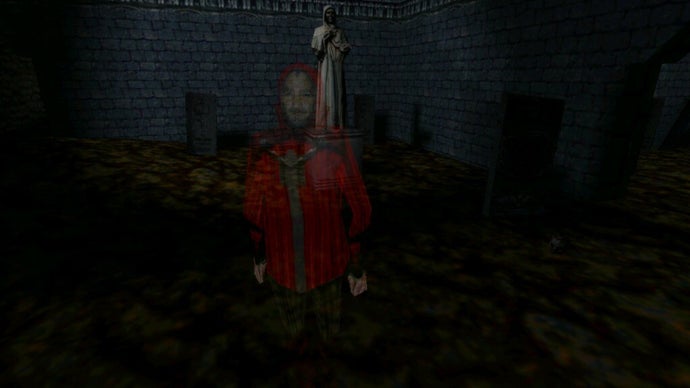
GOG has released an updated version of Thief Gold, the classic stealth game, through its game preservation programme, adding a range of technical improvements to help it run smoothly on modern systems. The re-release was chosen by GOG's community backers for attention from its reverse engineering team, and arrives shortly after Nightdive Studios announced a full remaster of the original Thief: The Dark Project.
The GOG version includes updated graphics and audio, a properly scaled interface, optimised controls, and new German, French and Polish localisations, alongside an upgrade to the NewDark 1.27 engine. It also integrates modder Peter Wright's Thief Gamepad Mod with GOG's own Input Wrapper to add full modern controller support, and lets players launch the original pre-Gold version directly from the launcher. The revamped edition is available at a discounted £1.49 before returning to its usual £5.99.
In short
- GOG re-releases Thief Gold with modern graphics, controller support and fixes
- Update includes NewDark 1.27 engine and new localisations
- Comes ahead of Nightdive's separate full Thief remaster
Explained simply
Thief Gold is a classic stealth video game released in 1999, and is considered a foundational title in the stealth genre that influenced countless games made since. The game followed the original Thief: The Dark Project, adding new missions and refinements to the formula.
GOG is a digital video game storefront that specialises in distributing older games, and it runs a preservation programme to update classic titles so they function properly on modern computers. The programme relies on community voting to decide which games receive technical updates from GOG's development team.
Keeping classic games playable on modern systems is important for gaming history and culture, as older titles can become unplayable as technology changes and operating systems evolve. Without this work, significant games from the industry's past risk being lost to future generations.