Entertainment news and discussion on TalkFuse.
Modder does what Nintendon’t and makes a Switch 2 Virtual Boy controller
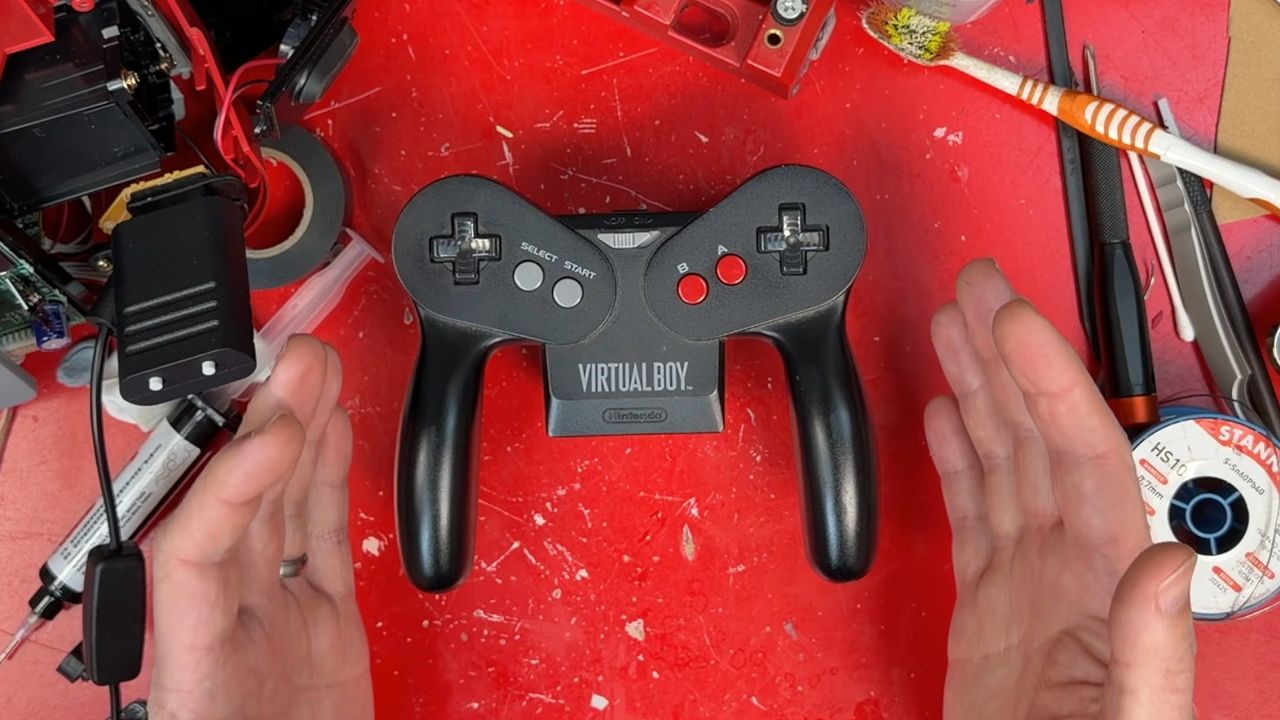
A hardware modder has built a custom controller for the Nintendo Switch 2 inspired by the Virtual Boy, the ill-fated 3D console Nintendo released in 1995. The project plays on the idea that the modder has done something Nintendo itself never has, reviving the Virtual Boy's distinctive red-and-black aesthetic and design in a working accessory for the company's current console.
Details of the exact build process and functionality were not specified in the available article text, but the project fits a wider trend of enthusiasts reworking retro Nintendo hardware for modern systems. The Virtual Boy remains a cult favourite among collectors and modders despite its commercial failure, and creations like this tend to circulate widely within retro gaming communities.
In short
- Modder creates a Virtual Boy-style controller for the Switch 2
- Project revives Nintendo's 1995 3D console's look and design
- Reflects ongoing enthusiast interest in retro Nintendo hardware mods
Explained simply
The Nintendo Virtual Boy was a portable 3D gaming console released in 1995 that became one of the company's most infamous commercial failures, largely owing to its distinctive red-and-black colour scheme, bulky design, and technical limitations that made prolonged use uncomfortable. Despite this poor reception, the console has developed a cult following among retro gaming enthusiasts and collectors who appreciate its unique place in gaming history.
Hardware modders are hobbyists who customise, rebuild, or reimagine video game equipment, often creating functional reproductions or adaptations of older hardware for modern systems. This particular project sees someone applying the Virtual Boy's iconic aesthetic to a Switch 2 controller, combining contemporary gaming technology with nostalgia for a forgotten device.
The trend reflects how retro gaming communities keep older Nintendo consoles and peripherals alive through creative projects long after their commercial heyday has ended. Such builds often circulate widely through online communities and appeal to both longtime fans seeking to relive their past and newer gamers curious about gaming history.