Entertainment news and discussion on TalkFuse.
The “unpatriotic” 1949 movie that cost John Wayne an Oscar
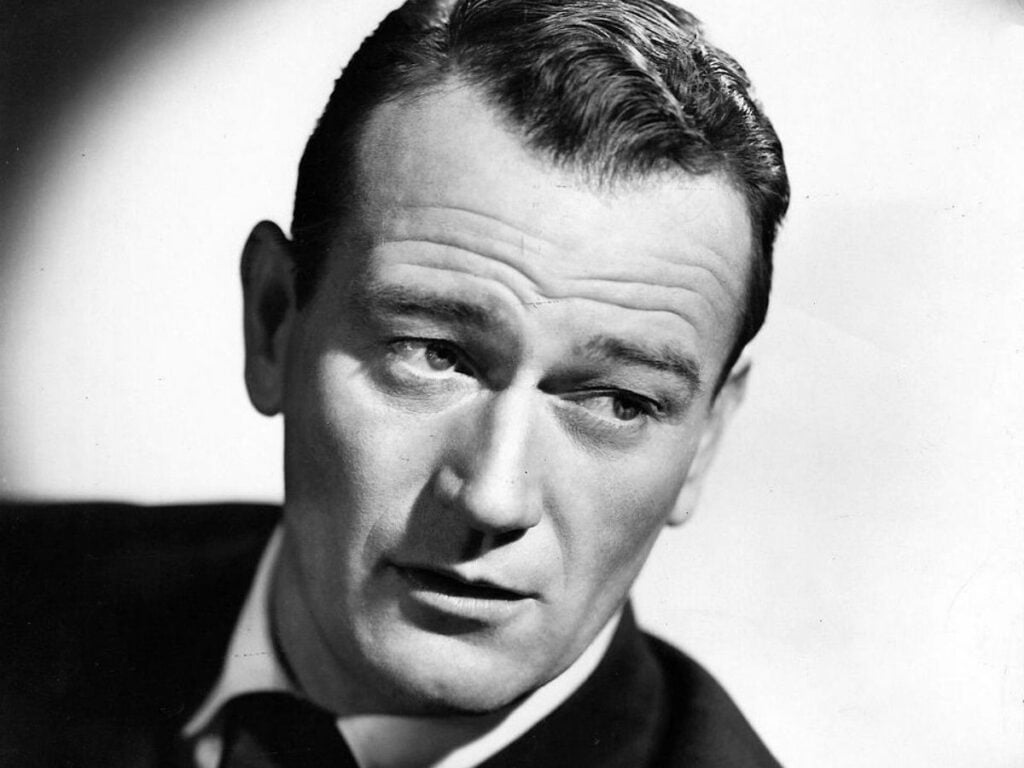
John Wayne was offered the lead role of Willie Stark in 'All the King's Men,' a political drama about corruption and the failure of idealistic governance. Wayne declined the part, believing the film unfairly attacked American institutions and the machinery of government. His refusal was rooted in his carefully constructed public persona and genuine political convictions about patriotism and national pride.
Wayne's decision proved costly when he received his first Best Actor Oscar nomination that year for another film, only to see the award go to Broderick Crawford, who played the role Wayne had turned down. Though Wayne remained committed to his principles over career calculation, he expressed disappointment about the specific outcome, wishing the award had gone to someone other than Crawford.
In short
- John Wayne rejected the lead role in 'All the King's Men' because he considered the film an unpatriotic critique of American government
- Broderick Crawford accepted the rejected role and won the Academy Award for Best Actor that same year
- Wayne's principled stance cost him his first Oscar nomination, though he valued consistency over career advancement
Steelman: both sides, in good faith
The strongest fair case each way — we don't pick a winner.
The case for
Artists have the fundamental right to choose roles aligned with their values, and Wayne's decision to prioritise principle over career advancement is admirable. He genuinely believed the film presented an unfair or cynical portrayal of American institutions, and declining a role that contradicted his patriotic convictions was a legitimate exercise of both creative choice and personal integrity.
The case against
All the King's Men is a serious work of art that examines real dangers to democracy—demagoguery and institutional corruption—which many would argue makes it patriotic rather than unpatriotic. Declining to engage with challenging political narratives based on ideological grounds limits artistic range and may discourage important public conversations about accountability and governance that are vital to a healthy democracy.
Explained simply
"All the King's Men" was a 1949 political drama about corruption and the failure of idealistic governance in America. Broderick Crawford played Willie Stark, a charismatic politician whose pursuit of power involves moral compromise. John Wayne, one of Hollywood's biggest stars, was originally offered the leading role.
Wayne declined because he believed the film unfairly attacked American institutions and the workings of government. A committed conservative with strong political convictions, he saw himself as a defender of patriotism and national pride, and accepting the role would have contradicted his carefully built public image.
The decision had career consequences that year when Wayne earned his first Oscar nomination for Best Actor in another film. The Academy Award went instead to Broderick Crawford for playing Willie Stark in "All the King's Men", the role Wayne had turned down. Though Wayne never regretted his decision to stand by his principles, he expressed disappointment at losing to Crawford.