OnePlus ends phone releases in US and Europe, further reducing smartphone choice
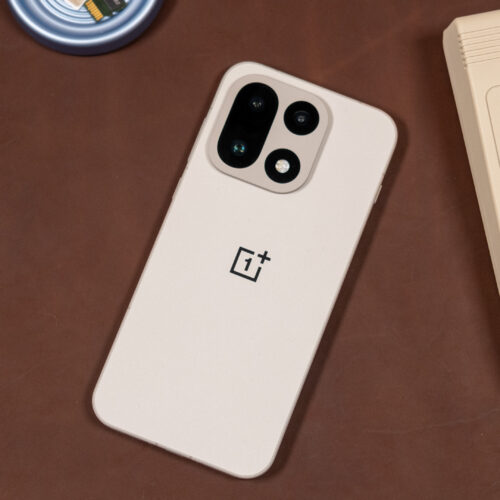
OnePlus has officially ceased smartphone development for North America and Europe, effectively ending a brand presence that once challenged incumbents with affordable alternatives. The company will continue supporting existing devices but shifting them to Oppo's ColorOS platform, with new hardware launches restricted to India and China. This exit reflects OnePlus's strategic pivot toward its parent company's ecosystem and the post-pandemic reorientation of Chinese smartphone manufacturers toward Asian markets.
The withdrawal narrows consumer choice in the already-consolidated US smartphone market, where regulatory barriers have previously excluded competitors like Huawei and ZTE. Europe can absorb OnePlus's departure through Oppo expansion, but the US lacks such an alternative. Rising semiconductor costs—particularly memory prices driven by AI infrastructure demand—have forced multiple manufacturers to exit or raise prices, leaving Samsung and Apple with diminished competitive pressure and greater latitude to increase prices.
In short
- OnePlus discontinuing North American and European smartphone releases; only India and China will receive new devices
- Existing phones transition to Oppo's ColorOS software; reflects consolidation under parent company
- US market loses Chinese competitor; Samsung and Apple face reduced competition and pricing pressure eases
Steelman: both sides, in good faith
The strongest fair case each way — we don't pick a winner.
The case for
This exit exemplifies a troubling pattern where consolidation leaves consumers with fewer genuinely distinct choices in an already concentrated market. When OnePlus—a company that once disrupted the market with compelling value propositions—cannot sustain operations in major markets, it suggests structural barriers to competition beyond mere consumer preference. The compounding effect of semiconductor costs, regulatory barriers to other Chinese competitors, and declining competitive pressure risks a market dynamic where Samsung and Apple face diminished incentives to innovate or control pricing.
The case against
Companies must ultimately operate where they can generate sustainable returns; OnePlus's departure reflects sober economics rather than anticompetitive dynamics. The smartphone market remains genuinely competitive, with multiple credible alternatives available to consumers—Samsung, Apple, Google, Motorola—and if OnePlus could not justify continued presence despite years of market access, this indicates real consumer preference constraints rather than artificial barriers. Expecting unprofitable operations simply to provide incremental choice would ultimately serve neither consumers nor competition.
Explained simply
OnePlus is a Chinese smartphone maker that launched in 2014 by offering powerful devices at lower prices than industry leaders like Apple and Samsung. The brand built a following in the US and Europe by delivering premium features at more affordable prices, competing successfully in markets where consumer choice had narrowed to expensive options.
The smartphone market is now dominated by just a few large manufacturers, with Apple and Samsung controlling the vast majority of sales. Smaller or international brands struggle to compete because developing new phones requires enormous investment, and some regions have trade barriers that exclude certain competitors.
Rising costs for semiconductor components have intensified these challenges in recent years, forcing some manufacturers out of profitable markets. OnePlus's retreat to focus solely on India and China reflects how Chinese phone makers are increasingly withdrawing from Western markets, leaving consumers in the US and Europe with even fewer choices as the industry becomes more concentrated.
Americas Art Culture Europe Gadgets Technology World