World news and discussion on TalkFuse.
Disney’s most ambitious fantasy adventure is a #1 streaming hit for a brutally obvious reason
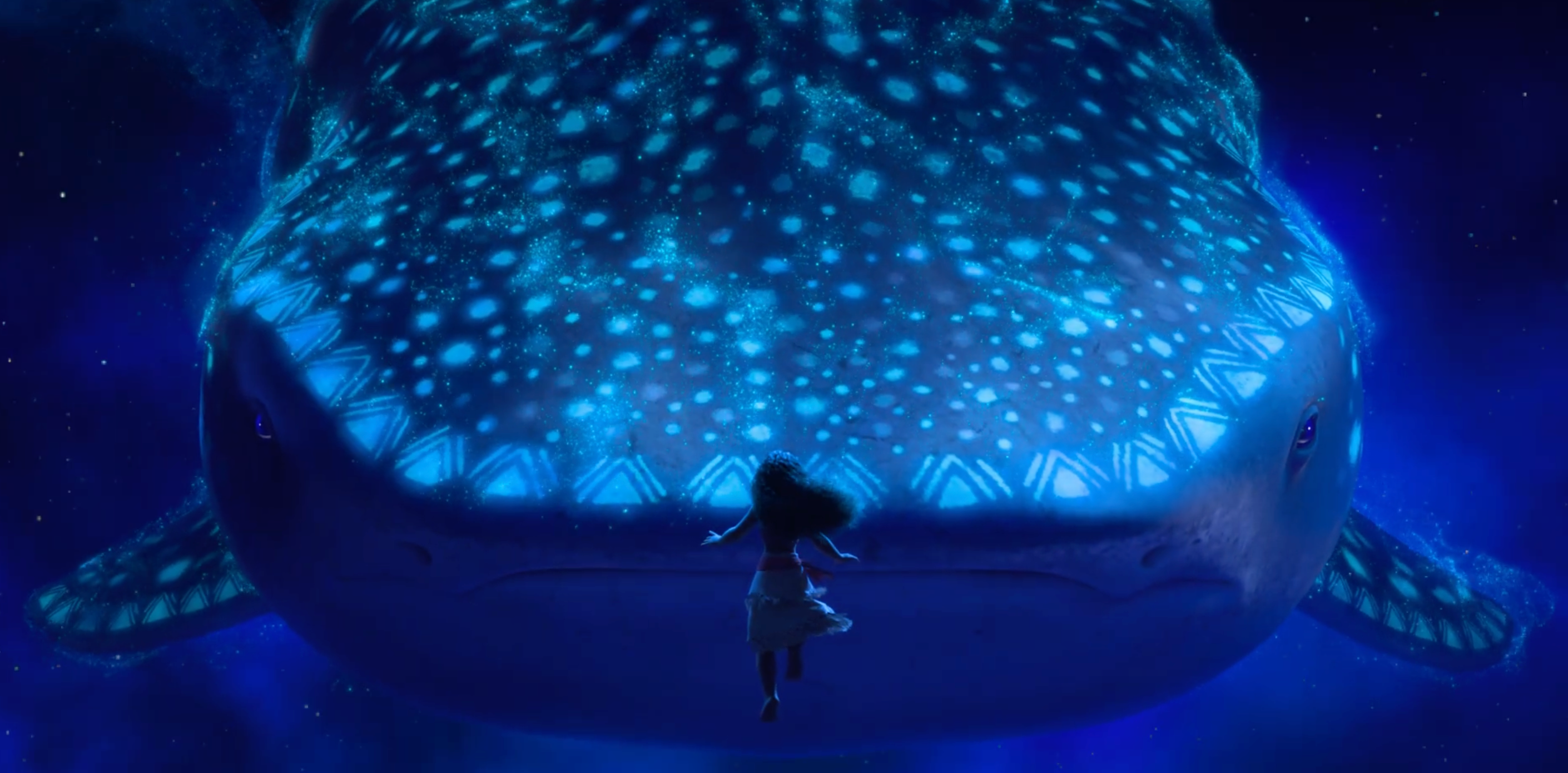
The original 2016 animated Moana is experiencing a surge in viewership on Disney Plus, a resurgence attributed to the recent release of a live-action remake that has disappointed audiences and critics. The newly released adaptation, directed by Thomas Kail and featuring returning star Dwayne Johnson, has driven viewers back to the acclaimed animated original rather than capturing their interest as a fresh take on the story.
Analysts attribute the original's enduring appeal to its exceptional creative leadership, including composer Lin-Manuel Miranda and the skilled narrative direction that prioritises emotional resonance at every turn. The live-action remake, by contrast, has been faulted for failing to establish its own artistic identity, with visual designs that appear derivative of the animated predecessor rather than offering a compelling reimagining. Critics note that whilst the remake features Polynesian actors—presented as its primary distinction—this casting choice has not been sufficient to compensate for what reviewers describe as a fundamental absence of creative innovation and emotional depth.
In short
- Original 2016 Moana trending on Disney Plus following poorly-received 2026 live-action remake
- Original's success credited to acclaimed creative team (Lin-Manuel Miranda, Taika Waititi, directors Musker/Clements) and superior emotional storytelling
- Live-action adaptation criticized for lacking distinctive artistic vision and emotional depth despite featuring Polynesian cast
Steelman: both sides, in good faith
The strongest fair case each way — we don't pick a winner.
The case for
The live-action remake's casting of Polynesian actors in major roles represents a culturally significant achievement in representation and provides visibility to Pacific Islander talent in a globally prominent production. This commitment to authentic casting reflects important values around inclusion and equity that deserve recognition and shouldn't be entirely subordinated to artistic comparison with the original animated film.
The case against
A remake must ultimately deliver creative innovation and emotional resonance to justify its existence and serve audiences fairly. Whilst representation through casting is valuable, it cannot substitute for fundamental creative shortcomings such as lack of artistic identity or emotional depth, and the audience's clear preference for the original demonstrates that representation alone is insufficient when creative execution falters.
Explained simply
Moana is a Disney animated film released in 2016 that follows a young Polynesian girl on an ocean voyage. The film was widely acclaimed for its storytelling, animation and original music.
Disney has increasingly created live-action adaptations of its successful animated films in recent years. These remakes are designed to present familiar stories to new audiences whilst exploring fresh creative interpretations.
The comparative success of an original film and its adaptation can reveal much about audience preferences. Viewers' responses often indicate whether they value creative innovation in retellings or prefer to see beloved stories presented in familiar ways.
Americas Entertainment Music TV