Entertainment news and discussion on TalkFuse.
Roblox clones of Meccha Chameleon have more players than the original Steam sensation after just 3 weeks
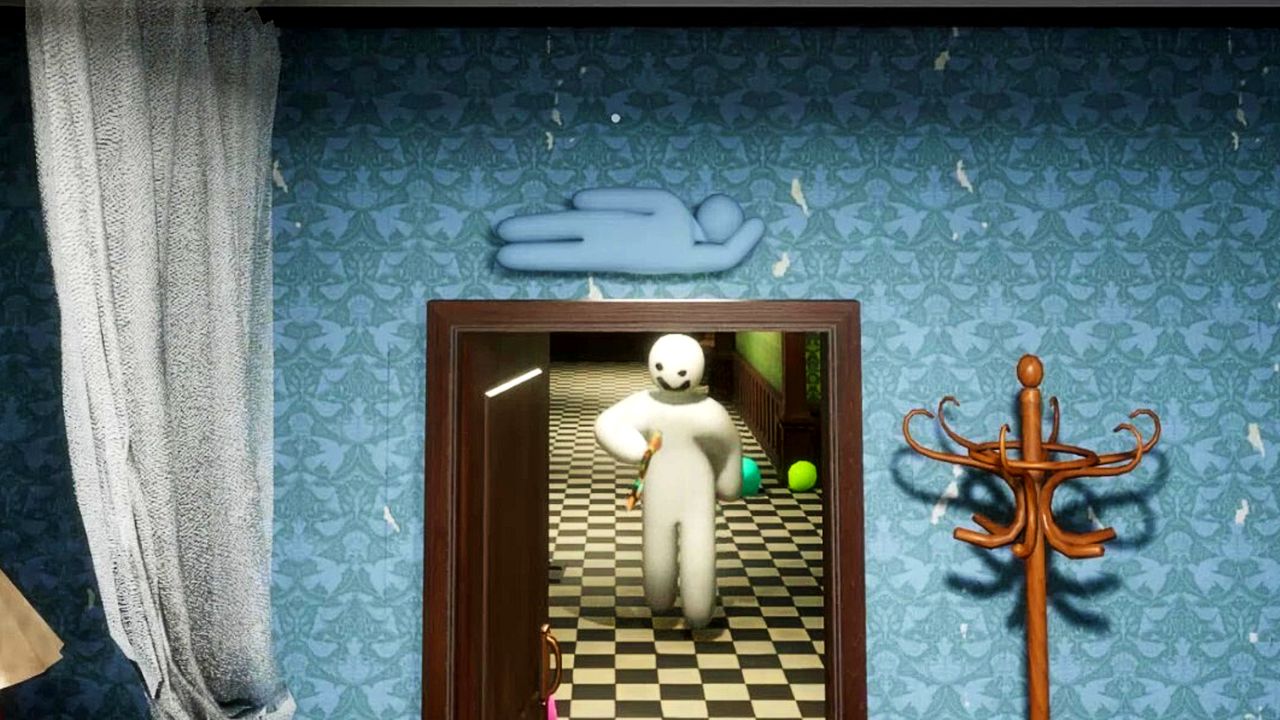
Meccha Chameleon, a recently successful indie title on Steam, has spawned multiple fan-created copies on Roblox with similar names such as 'Paint and SEEK!' and 'Paint Or Seek!' Within three weeks of the original's release, these unauthorized Roblox versions have surpassed it in concurrent daily players, maintaining engagement between 150,000 and 200,000 users compared to Meccha Chameleon's current figure of approximately 55,000.
The clones' advantage stems partly from their zero cost and availability on a platform with millions of active daily users, whereas the original requires purchase through Steam. The original game has also encountered competition from an AI-generated knockoff using an identical title in certain regions. The rapid player migration underscores how easily popular game mechanics can be replicated on well-established platforms with substantial existing audiences, presenting a structural challenge for solo indie developers whose work can be cloned and distributed free to vastly larger user bases.
In short
- Roblox clones of indie hit Meccha Chameleon now attract more daily players (150,000–200,000+) than the original Steam version (~55,000) just three weeks after launch.
- Free access and Roblox's massive user base outpaced the original game's peak of 340,000 players, exposing challenges indie developers face against rapid cloning on larger platforms.
Steelman: both sides, in good faith
The strongest fair case each way — we don't pick a winner.
The case for
Supporters of the Roblox clones argue that game mechanics themselves cannot and should not be monopolised through copyright—the industry has always thrived on iterative design and developers building upon existing ideas. Making similar gameplay freely available on accessible platforms democratises entertainment and gives millions of players access to engaging experiences they might otherwise miss. The original developer retains a market among those willing to pay for a more polished version, whilst healthy competition drives innovation forward and ensures that good ideas benefit the broadest possible audience rather than being gated behind paywalls.
The case against
Critics contend that these are not generic mechanics but direct clones with deliberately similar names calculated to capitalise on the original's viral success without compensating its creator. Indie developers depend on monetisation to sustain themselves, and when free copies on platforms with hundreds of millions of users can instantly outcompete the original, it becomes economically impossible for solo creators to recoup their labour or fund future projects. This structural inequality—where cloning requires minimal effort whilst creating requires significant investment—undermines the ecosystem that enables diverse, independent game development and effectively extracts value from creators without permission or compensation.
Explained simply
Meccha Chameleon is an indie video game that launched recently on Steam, the digital platform where players purchase games. The game has proved successful, but within three weeks, unauthorized copies created by fans have appeared on Roblox, a platform where players can create and share their own games, and these copies have attracted far more players than the original.
The clones operate for free on Roblox, whilst Meccha Chameleon requires a purchase on Steam. Roblox has tens of millions of active daily users, which gives free games on the platform a vast potential audience, whereas the original Steam version must attract paying customers. The clones have names similar to the original, such as "Paint and SEEK!" and "Paint Or Seek!", and they have drawn between 150,000 and 200,000 concurrent daily players compared to around 55,000 for the genuine article.
This situation highlights a structural challenge for small independent game developers. When a game's core gameplay proves popular, anyone can replicate it and distribute the copy free to audiences vastly larger than the original creator can reach. The original developer has also contended with an AI-generated knockoff using the identical title in some regions, compounding the difficulty of protecting their work and profiting from it.