New releases, music videos and album news — indie, rap, rock and pop. Always covering Ren, Chris Webby, Sam Tompkins, bbno$, CHINCHILLA, Muse, Yungblud and more.
The 1967 masterpiece Ray Davies and Keith Richards believe is nonsense: “They got carried away”
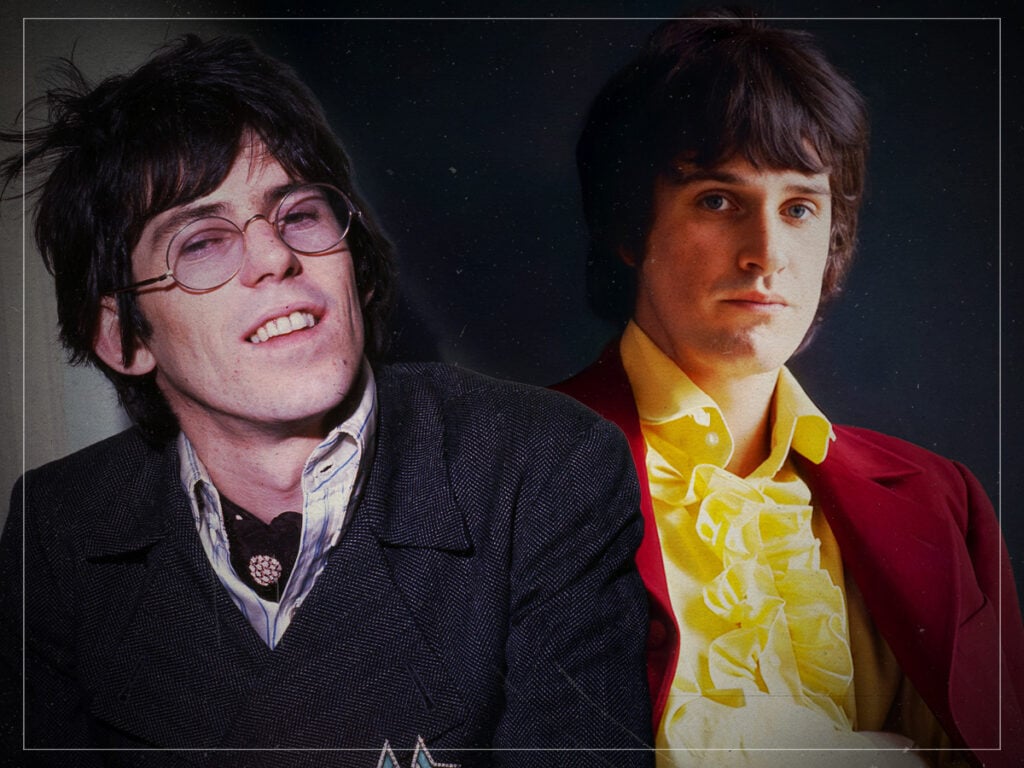
Far Out Magazine revisits long-standing criticism of a landmark 1967 album, highlighting that two of rock's most respected songwriters, The Rolling Stones' Keith Richards and The Kinks' Ray Davies, have separately dismissed it as overrated. Despite its status as one of the most celebrated records of the era, both musicians have argued that the studio experimentation and psychedelic ambition it is famous for came at the expense of solid songwriting, with the suggestion being that the band "got carried away" chasing novelty over substance.
The piece frames this as a rare point of agreement between two songwriters who represented different, sometimes rival, strands of British rock in the 1960s. It suggests their shared scepticism carries particular weight because both were prolific hitmakers of the period themselves, making their dissent from the era's critical consensus notable rather than dismissible. The article positions their comments as a counterpoint to the album's usual reputation as a groundbreaking masterpiece.
In short
- Keith Richards and Ray Davies both call a 1967 album overrated.
- They argue studio experimentation overshadowed strong songwriting.
- Their shared criticism is notable given their own 1960s hit-making success.
Steelman: both sides, in good faith
The strongest fair case each way — we don't pick a winner.
The case for
The album's enduring critical status and historical influence suggest that experimentation and production innovation genuinely enhanced strong songwriting rather than substituting for it. Studio production is itself a legitimate creative tool in rock music, not merely decoration; the ambition to expand what rock could soundwise represented genuine artistic growth. The songs themselves are compositionally sophisticated, and characterising the album as preferring novelty over substance misreads how thoroughly the band integrated technical innovation with solid musical foundations.
The case against
Fundamental songwriting craft has inherent value independent of production choices, and songs that truly resonate across different contexts and eras prove their compositional strength. When bands become captivated by new technology, distinguishing between genuine artistic evolution and indulgent experimentation becomes difficult; Davies and Richards earned their authority through decades writing songs that endured precisely because strong composition works anywhere. Their scepticism about whether this album prioritises studio effects over substance reflects a conviction that enduring rock music is built on compositional foundation first, with production serving the song rather than vice versa.
Explained simply
A highly regarded rock album from 1967 has long been celebrated as a landmark moment in popular music, praised for its creative ambition and experimental studio techniques. However, two of the era's most respected songwriters have publicly dismissed the record as overrated, arguing that its creators prioritised novelty and technical innovation over strong songwriting.
Keith Richards of The Rolling Stones and Ray Davies of The Kinks are both prolific hitmakers whose own work defined different strands of 1960s British rock. Their shared scepticism towards this celebrated album is particularly noteworthy because of their songwriting credentials and sometimes competing positions within the rock world of that period.
The criticism from these two figures challenges the long-standing critical consensus about the album's quality and significance. Their perspective carries weight precisely because they were themselves major forces in rock music during the same era, making their dissent from mainstream opinion difficult to dismiss as mere contrarianism.