Technology news and discussion on TalkFuse.
2026 Toyota RAV4 plug-in: Big battery means daily drives are all-electric
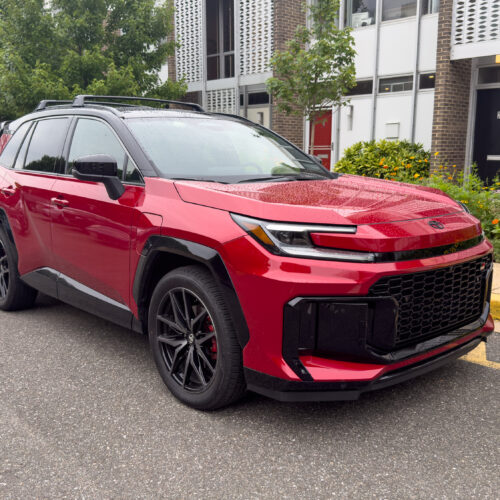
Toyota’s 2026 RAV4 plug-in hybrid introduces a substantially larger battery and revised powertrain, allowing many everyday journeys to be completed using electricity alone. This matters because the RAV4 is one of America’s best-selling non-pick-up vehicles, and Toyota is making electrified drivetrains standard across the new sixth-generation range while retaining the flexibility of a petrol engine for longer trips.
The plug-in model combines a 2.5-litre Atkinson-cycle four-cylinder petrol engine with three electric motors and an electronic continuously variable transmission, producing 324hp and 315lb ft in total. Its 22.7kWh lithium-ion battery is mounted beneath the cabin rather than reducing boot space, and SE and XSE versions are rated for up to 52 miles (84km) of electric-only range and 40mpg combined; prices cited start at $41,500 for the SE and $47,200 for the XSE.
In short
- New RAV4 plug-in offers up to 52 electric-only miles.
- A larger underfloor battery preserves cabin and luggage space.
- Toyota combines strong performance with hybrid long-distance flexibility.
Explained simply
A plug-in hybrid is a car that can run on electricity for everyday trips but has a petrol engine for longer journeys. Unlike fully electric vehicles, drivers never need to worry about running out of charge because the petrol engine provides a backup.
The RAV4 is one of America's most popular cars, so Toyota's decisions about this model affect millions of drivers and influence the wider car industry. Toyota is integrating electrified versions across its entire new RAV4 range, signalling confidence that most car buyers want the option of cleaner driving without sacrificing practicality.
The automotive industry is shifting toward cleaner vehicles, but many drivers remain hesitant about fully electric cars due to concerns about range, charging infrastructure and cost. Plug-in hybrids address these concerns by allowing short journeys on electricity whilst maintaining the convenience of traditional petrol engines for longer trips.