Culture news and discussion on TalkFuse.
“You had big everything. Big drugs, big money, big parties. And it’s all free, the more the merrier”: The fast rise, sudden fall and messy afterlife of glam metal heroes Ratt
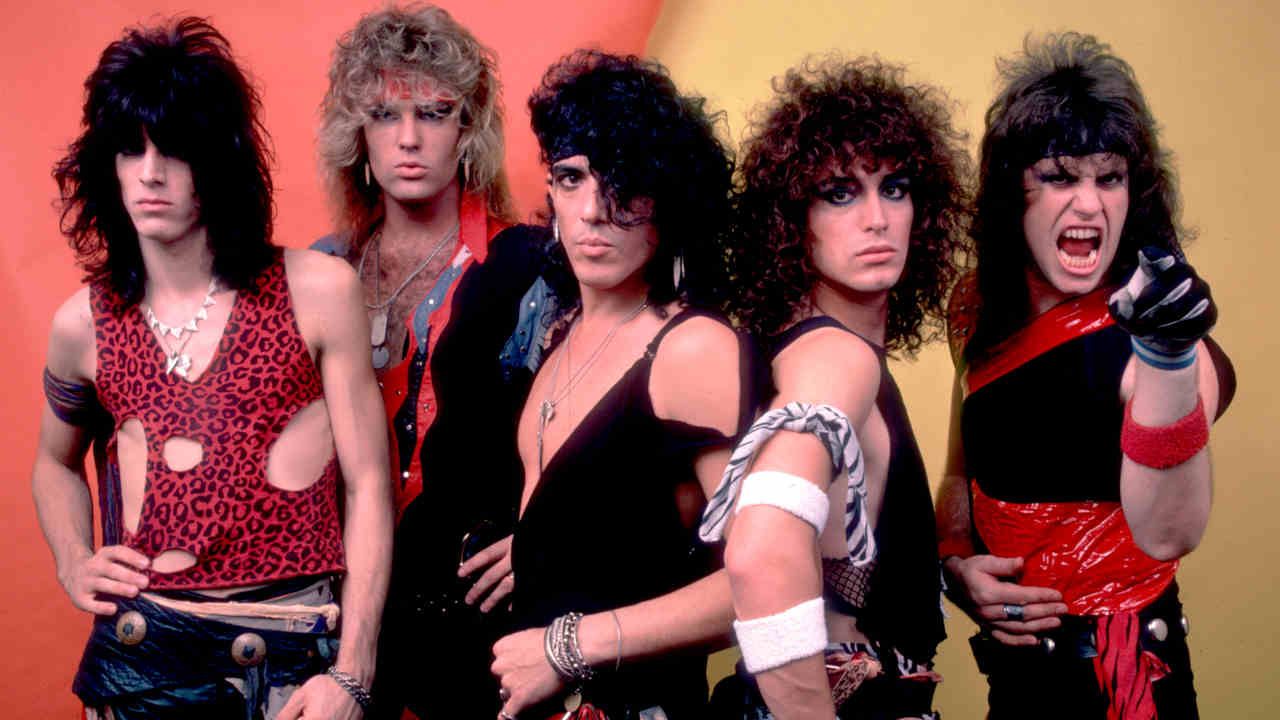
Ratt were among the founding bands of the Sunset Strip glam metal scene, racking up a string of platinum albums during the 1980s before grunge and years of internal conflict brought their success to an abrupt halt. A 2005 interview with singer Stephen Pearcy, drummer Bobby Blotzer, guitarist Warren DeMartini and bassist Juan Croucier traced the band's dramatic rise, its later decline, and the acrimony that continued to define its legacy long after their commercial peak had passed.
By 2005 the band had splintered into rival factions, with Pearcy touring separately as Stephen Pearcy & The Rat Bastards while DeMartini and Blotzer performed under the Ratt name with new, non-original members, leaving genuine ambiguity over who held the rights to the band's identity. The dispute was compounded by the death of guitarist Robbin Crosby in 2002, one of the group's most recognisable figures, underscoring how the excesses and infighting that once fuelled their success had also hastened their fragmentation.
In short
- Ratt rose to fame in the 80s Sunset Strip glam metal scene
- Grunge and internal feuding badly damaged the band's career
- By 2005 rival factions disputed who could use the Ratt name
- Guitarist Robbin Crosby's 2002 death added to the turmoil
Explained simply
Ratt were one of the biggest bands of the 1980s, leading a scene of glamorous heavy metal acts on Los Angeles's Sunset Strip. They achieved multiple platinum albums and became icons of an era defined by flamboyant fashion, partying and excess.
The group's fortunes changed sharply with the rise of grunge in the early 1990s, which made their style of music seem suddenly dated. Internal tensions and disputes between members, which had been simmering alongside their success, finally split the band apart.
By 2005, Ratt no longer existed as a unified entity, with surviving original members performing in rival camps under different names. The band's fragmentation was marked by personal tragedy, including the death of guitarist Robbin Crosby in 2002, and the question of who actually held the rights to the band's name remained contested and unresolved.