World news and discussion on TalkFuse.
Taco Bell removes lettuce from menu in US after links to explosive diarrhoea
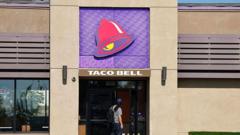
Taco Bell is removing lettuce from menus in some US states after health investigations linked shredded iceberg lettuce to an outbreak of cyclosporiasis, a parasitic infection that can cause severe watery diarrhoea. The precaution matters because the outbreak has affected large numbers of people and highlights concerns about tracing contaminated food through supply chains.
The CDC reported 1,645 infections among people exposed to Taco Bell in Indiana, Kentucky, Michigan, Ohio and West Virginia, with 94 hospitalisations and no reported deaths. The FDA advised against eating Taco Bell items containing shredded iceberg lettuce from Mexico in those states; supplier Taylor Farms said it was withdrawing central Mexican iceberg lettuce from the US market after an independent farm was identified as a potential source.
In short
- Taco Bell withdraws lettuce after parasite outbreak link
- 1,645 infections and 94 hospitalisations reported
- Mexican iceberg lettuce is under investigation
Steelman: both sides, in good faith
The strongest fair case each way — we don't pick a winner.
The case for
The scale of the outbreak—1,645 infections and 94 hospitalisations—justifies erring decisively on the side of caution. Supply chain tracing for produce is notoriously imperfect; identifying one farm source does not guarantee there are no other contamination points. Protecting public health and maintaining consumer confidence in the food system takes precedence over business convenience, making precautionary removal appropriate until safety can be comprehensively assured.
The case against
Whilst public health is paramount, once investigators have identified a specific farm as the likely source, removing all Mexican iceberg lettuce from the supply chain is disproportionate and unfairly punishes compliant suppliers. A more targeted removal—limited to the identified contamination source—achieves health protection whilst respecting the legitimate interests of innocent producers and avoiding unnecessary economic disruption.
Explained simply
An outbreak of cyclosporiasis, a parasitic infection that causes severe watery diarrhoea, has affected more than 1,600 people who ate at Taco Bell in five US states. Health investigators traced the outbreak to contaminated shredded iceberg lettuce supplied to the chain from Mexico, and the FDA advised against eating Taco Bell items containing this lettuce in Indiana, Kentucky, Michigan, Ohio and West Virginia.
Over 90 people required hospital treatment, though no deaths have been reported. Taylor Farms, the lettuce supplier, withdrew its central Mexican iceberg lettuce from the US market after an independent farm was identified as a potential source of contamination. The scale of the outbreak shows how infections can spread rapidly through a large restaurant chain's supply network.
Food contamination incidents highlight the difficulty of swiftly identifying contaminated sources and removing affected products from circulation. Tracing products back through supply chains, from farms through suppliers to individual restaurants, takes considerable time, meaning affected items may reach many customers before the source is fully identified.
Americas Business Companies World