Entertainment news and discussion on TalkFuse.
The Odyssey changes: 16 differences between Christopher Nolan’s movie and Homer’s epic poem
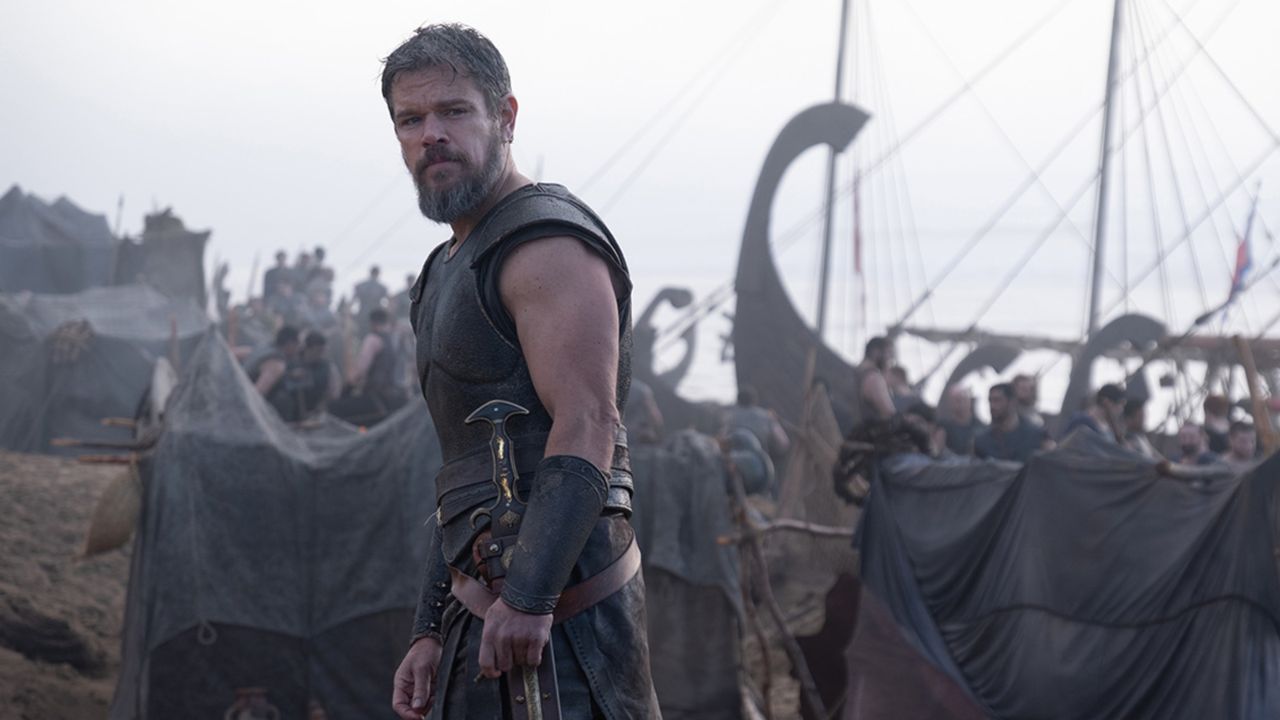
The article examines 16 ways Christopher Nolan’s forthcoming film The Odyssey appears to differ from Homer’s ancient Greek epic. It treats the adaptation as a reinterpretation rather than a direct recreation, highlighting how film-making choices may reshape characters, events and mythology for a modern audience.
Its central context is that Homer’s poem follows Odysseus’s long journey home after the Trojan War, involving gods, monsters and encounters across the Mediterranean. The comparison focuses on reported or apparent changes in the film’s presentation, although the full extent of Nolan’s alterations will only be clear when the film is released.
In short
- Nolan’s film appears to alter elements of Homer’s Odyssey.
- The article identifies 16 apparent differences.
- Full comparisons await the film’s release.
Explained simply
Homer's Odyssey is an ancient Greek epic poem that has been central to Western literature for over two thousand years. It tells of Odysseus, a warrior attempting to journey home to his wife and son after the Trojan War, encountering gods, mythological creatures and overwhelming challenges across the Mediterranean.
Filmmaker Christopher Nolan is currently adapting The Odyssey for cinema, but his film version appears to diverge significantly from Homer's original text. Rather than faithfully recreating the poem, the adaptation reshapes the story, making changes to characters and events to suit the medium of film.
Adaptations of classical literature can reach far wider audiences than the original texts. The changes Nolan makes to The Odyssey will show how such ancient stories are adapted and reshaped for modern cinema and contemporary audiences.