Entertainment news and discussion on TalkFuse.
This Star Trek Movie Fixed the Franchise, and It’s Not the One You’d Expect
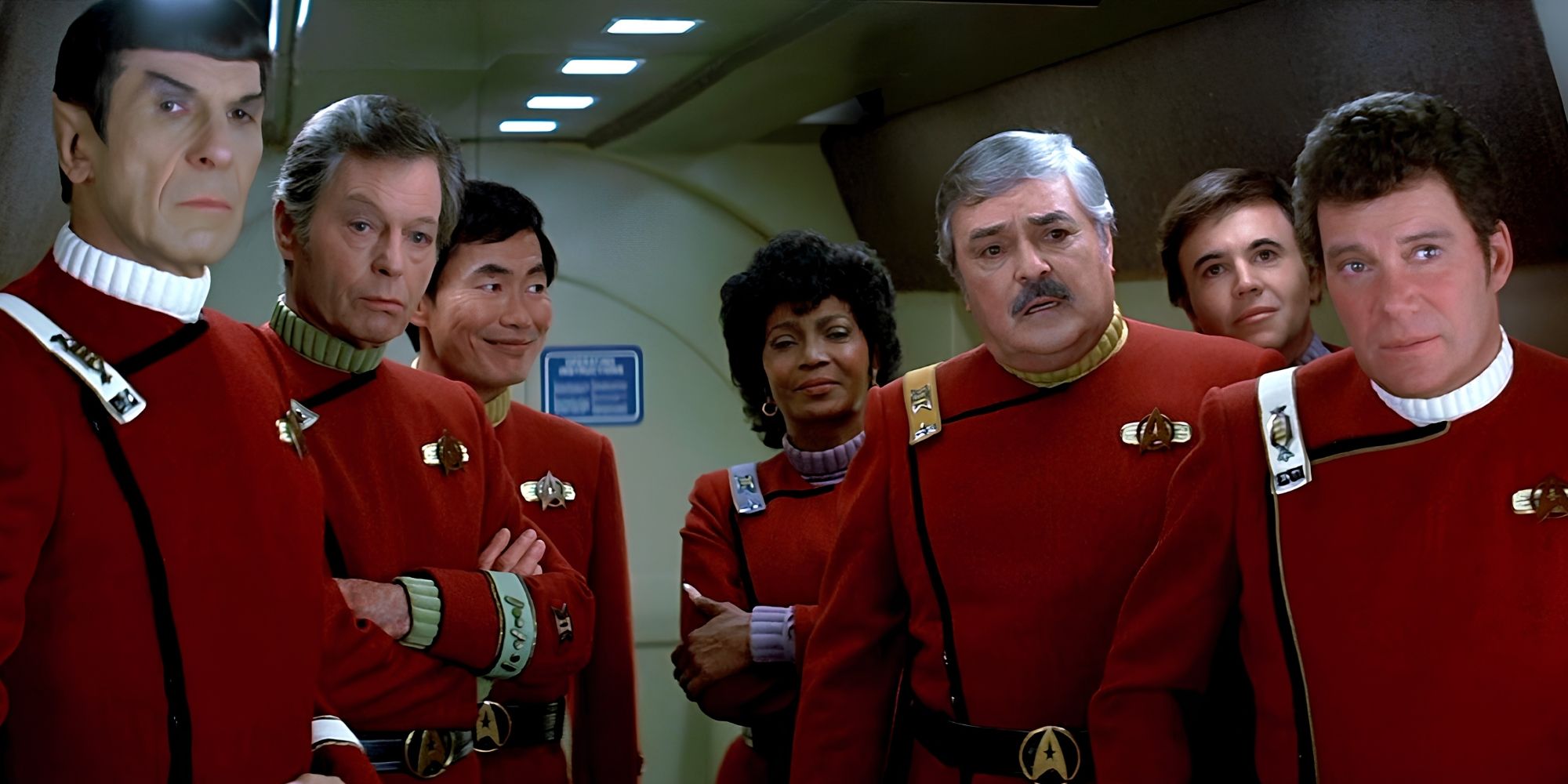
Collider argues that Star Trek IV: The Voyage Home, rather than the more celebrated Star Trek II: The Wrath of Khan, restored the franchise’s essential character. While Khan revitalised the films commercially with action and emotional stakes, the article says it also shifted Star Trek away from Gene Roddenberry’s more pacifist, exploratory vision.
The article traces the franchise’s path from the original television series’ revival in syndication to the uneven early films. It contends that The Wrath of Khan’s more militarised tone, followed by Star Trek III: The Search for Spock’s reversal of Spock’s death, left the series creatively adrift; The Voyage Home is presented as the film that repaired this damage as it marks its 40th anniversary.
In short
- The article credits Star Trek IV with restoring Star Trek’s identity.
- Star Trek II revived the franchise but altered its tone.
- The Voyage Home is presented as a corrective.
Steelman: both sides, in good faith
The strongest fair case each way — we don't pick a winner.
The case for
Star Trek II: The Wrath of Khan, whilst commercially successful, fundamentally shifted the franchise away from Gene Roddenberry's core vision of peaceful exploration and philosophical inquiry. By embracing militarised action and heavy dramatic conflict, Khan moved Star Trek toward conventional blockbuster territory rather than restoring its essential identity. Star Trek IV: The Voyage Home demonstrated that the franchise could achieve both commercial viability and thematic integrity by returning to the lighter, more exploratory tone of the original series, thus genuinely healing the creative direction rather than merely rescuing it commercially.
The case against
The Wrath of Khan rescued Star Trek from commercial and critical irrelevance after a string of poorly received films. The franchise needed Khan's dramatic stakes, character depth, and cinematic credibility to prove itself viable for mainstream audiences; without this success, there would have been no franchise to continue. Star Trek had always contained conflict and military elements respectfully handled; Khan simply elevated the storytelling standards needed for cinema. Whilst The Voyage Home is entertaining, it is Khan that established Star Trek as a lasting film series by demonstrating the franchise could deliver genuine dramatic weight and emotional resonance.
Explained simply
Star Trek originated as a 1960s television series focused on space exploration and philosophical inquiry rather than military action. After cancellation, it found renewed audiences through syndication and eventually generated a series of theatrical films starting in 1979.
The early Star Trek films struggled commercially until Star Trek II: The Wrath of Khan in 1982, which became a major success by emphasising action sequences, military drama, and emotional stakes that differed from the original series. The subsequent Star Trek III: The Search for Spock continued this direction whilst also reviving a character who had died, leaving some observers uncertain about the franchise's creative direction.
Star Trek IV: The Voyage Home released in 1986 marked a shift away from this militaristic approach, instead blending entertainment with the exploratory and philosophical themes of the original series. This different creative choice has prompted ongoing debate about which approach best represented Star Trek's authentic identity and enduring appeal.