Science news and discussion on TalkFuse.
‘Cheeky’ pigs restore heathland on island reserve
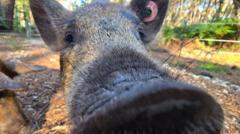
A nature reserve in Dorset has deployed an unconventional conservation tool: two pigs loaned from a local farm to manage vegetation on Brownsea Island. The animals will forage across the reserve, naturally disturbing the soil and reducing bracken that has become dominant in some areas, thereby allowing a broader range of plants and wildlife to flourish in a healthier ecosystem balance.
The pigs, currently young and destined to grow substantially, belong to a heritage breed descended from 19th-century Hungarian stock. Brownsea Island is a significant protected site jointly managed by conservation organisations and forms part of an internationally recognised nature reserve, making this foraging scheme part of a broader landscape restoration strategy combining traditional land management with modern conservation objectives.
In short
- Two young Mangalitsa-cross pigs introduced to Brownsea Island to control bracken overgrowth through foraging
- Natural soil disturbance from pig activity reduces invasive vegetation and creates space for diverse plants and wildlife
- Conservation effort on internationally significant nature reserve managed by Dorset Wildlife Trust and National Trust
Explained simply
Brownsea Island in Dorset is a heathland nature reserve managed by conservation organisations. Heathland is an open landscape that supports specific plants and animals, but without management it can become overgrown with bracken, which reduces the diversity of life that these reserves protect.
Brownsea Island is part of an internationally recognised nature reserve and is significant for its wildlife. Maintaining its health requires active management of vegetation and landscape.
Managing heathland has traditionally relied on grazing animals, which naturally disturb soil and reduce overgrown plants like bracken. This approach works without machinery or chemicals and helps restore ecosystem balance, combining centuries-old practice with modern conservation objectives.