Culture news and discussion on TalkFuse.
Hoy backs Glasgow 2026 for ‘massive success’
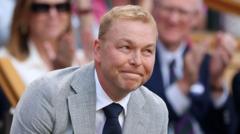
Sir Chris Hoy has said he expects the Glasgow 2026 Commonwealth Games to be a “massive success”, despite the event being substantially smaller than the city’s 2014 Games. His support matters as Glasgow prepares to host at short notice after Victoria, Australia withdrew, while organisers seek to demonstrate that a lower-cost model can still deliver a memorable international sporting event.
The Games will run from 23 July to 2 August, featuring 10 sports across four venues on a budget of about £150m, compared with 18 sports and more than £550m in 2014. There will be no city-centre marathon or road cycling races, and Scotstoun Stadium’s temporary 11,000-seat capacity is far below Hampden Park’s 44,000 during the previous Games. Hoy, a two-time Commonwealth gold medallist who has terminal prostate cancer, said he is doing well and intends to enjoy the event.
In short
- Hoy expects Glasgow 2026 to overcome concerns about its reduced scale.
- The Games will feature 10 sports across four venues.
- Glasgow replaced Victoria after Australia withdrew over costs.
Steelman: both sides, in good faith
The strongest fair case each way — we don't pick a winner.
The case for
A scaled-down, budget-conscious approach represents enlightened evolution that solves the genuine crisis of unsustainable hosting costs whilst preserving the Commonwealth Games' essential purpose—bringing together athletes in world-class competition and international fellowship. By proving that a memorable international event can flourish with careful planning and focused scope, Glasgow 2026 could liberate future host cities from financial ruin and make the Games accessible to many more nations, demonstrating that athletic excellence and shared values matter far more than stadium capacity or event count.
The case against
Dramatically scaling down the Commonwealth Games—from 18 sports and 44,000-seat stadiums to 10 sports and 11,000 seats—risks transforming a prestigious marquee event into a diminished, second-tier competition that no longer commands genuine international significance. Accepting this reduction on short notice sets a troubling precedent that the Games should be economised on rather than celebrated, and denies future host cities and Commonwealth nations the opportunity to witness the Games in their full ambition and global standing.
Explained simply
Glasgow is preparing to host the Commonwealth Games in July and August 2026, a major international sporting event featuring athletes from nations across the Commonwealth. The city took on the hosting role at short notice after Victoria, Australia withdrew, and organisers are seeking to demonstrate that a successful Games can be staged with significantly fewer resources than previous editions.
The 2026 Games will be substantially scaled down compared to Glasgow's previous hosting in 2014. The event will feature ten sports across four venues with a budget of around £150 million, compared with eighteen sports and over £550 million in 2014. Hampden Park's 44,000-seat capacity has been replaced by Scotstoun Stadium's temporary 11,000-seat facility, and city-centre events like the marathon and road cycling races will not take place.
Sir Chris Hoy is a retired Olympic and Commonwealth gold medallist, and a prominent figure in Scottish sport. Despite having terminal prostate cancer, he has indicated his intention to engage with the event, and his public backing matters as organisers seek to demonstrate that a lower-cost Games model can still deliver a memorable experience.
Art Business Celebrity Culture Entertainment Markets Sport