Culture news and discussion on TalkFuse.
First atmosphere found on Earth-like planet in habitable zone of distant star
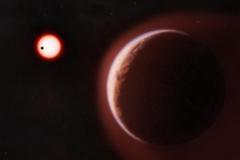
Astronomers at Harvard have identified an atmospheric layer surrounding LHS 1140b, a rocky planet orbiting within the habitable zone of a red star. This marks the first detection of an atmosphere around an Earth-like world positioned in the potentially life-supporting region of a distant star system, reinforcing the possibility that worlds with Earth-like conditions exist beyond our solar system.
The upper atmosphere contains helium, which cannot sustain life on its own, but researchers indicate that other chemical compounds capable of supporting biology may exist at lower altitudes. After the discovery of more than 6,000 exoplanets over recent decades, relatively few rocky planets have been found in habitable zones, and none previously shown to possess atmospheres. While this finding represents significant progress toward addressing whether life exists elsewhere in the universe, scientists emphasise that confirmation of biological activity has not been achieved, with other candidate worlds such as TRAPPIST-1e and K2-18b remaining under study.
In short
- Scientists detected an atmosphere on a rocky planet in the habitable zone 48 light-years away, a first for Earth-like worlds in potentially life-supporting orbits
- Helium confirmed in upper layers, but other life-sustaining gases may exist deeper in the atmosphere
- Major milestone in the search for extraterrestrial life, though actual biological activity remains unconfirmed
Explained simply
Exoplanets are worlds orbiting stars beyond our solar system. Astronomers have discovered over 6,000 of them in recent decades, but finding rocky planets in the so-called habitable zone—the region where conditions could support liquid water and potentially life as we know it—remains relatively uncommon. This discovery marks a notable step in the long effort to determine whether Earth-like worlds with the right conditions for life exist elsewhere in the universe.
The planet LHS 1140b orbits a red star and has now been detected to have an atmosphere containing helium. Whilst helium cannot support life directly, scientists believe other chemical compounds capable of sustaining life may exist lower in the atmosphere. No signs of actual life have been found yet, and much further study is needed to understand the planet's true potential for harbouring organisms.
The search for habitable exoplanets has intensified as technology has improved, with astronomers examining multiple candidate worlds including TRAPPIST-1e and K2-18b. These investigations aim to answer one of astronomy's most fundamental questions: whether the conditions that allow life to flourish on Earth are common throughout the universe or unique to our world. Such discoveries inform our understanding of whether life might exist beyond Earth.
Art Celebrity Culture Entertainment Research Science