Trump drops BBC’s commercial arm from Panorama lawsuit, but main case remains
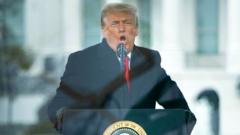
Donald Trump has dropped BBC Studios' commercial arms from his defamation lawsuit over a 2024 Panorama documentary, but is continuing his multi-billion dollar case against the BBC itself. The move follows the BBC's argument that its production and distribution subsidiaries had no role in making or broadcasting the programme in the US, though Trump remains committed to pursuing the corporation directly, keeping the high-profile transatlantic legal battle alive.
Trump is seeking up to $10bn (£7.4bn) over claims that Panorama "intentionally, maliciously, and deceptively" edited together sections of a speech he gave before the 6 January 2021 Capitol riot. The BBC has apologised for the editing error but is seeking dismissal, arguing the programme was not defamatory under the law and was not available in the US; Trump's lawyers recently admitted they lacked evidence it was accessible via BritBox or other US platforms, though they insist BBC "geo-blocking" was unreliable and point to promotional posts and staff instructions on how Americans could watch it. A trial has been scheduled for February 2027, and the row previously led to the resignations of BBC director general Tim Davie and news chief Deborah Turness after a leaked memo criticised the edit.
In short
- Trump drops BBC Studios from lawsuit but keeps suing the BBC itself
- Seeking up to $10bn over edited Panorama speech footage
- Trial date set for February 2027; row already toppled two BBC bosses
Steelman: both sides, in good faith
The strongest fair case each way — we don't pick a winner.
The case for
The BBC unambiguously edited Trump's words deceptively in coverage of a significant historical event, and whilst the corporation has apologised, that misrepresentation shaped public understanding internationally. The BBC claims geo-blocking prevented US distribution, but the corporation itself undermined this position through promotional posts and staff instructions explaining how Americans could access the content, demonstrating the blocking was unreliable and suggesting intended reach extended to American audiences. A major broadcaster should not escape accountability for documented false statements merely by claiming technical barriers that its own conduct deliberately circumvented.
The case against
The BBC's immediate apology and the resignations of senior leadership demonstrate genuine institutional accountability and swift correction without requiring protracted litigation. Under defamation law, liability requires the false statement to have actually reached the plaintiff's jurisdiction; Trump's own legal team concedes they lack evidence the programme was accessible via mainstream US platforms, and geo-blocking operated as intended—the existence of promotional posts or staff comments does not establish deliberate US distribution by the corporation. Allowing a £10 billion claim to proceed for an editorial error with admitted fault would threaten British journalism by exposing UK broadcasters to potentially ruinous American litigation.
Explained simply
Panorama is a long-running BBC current affairs documentary programme. In 2024 it broadcast an episode about a speech Donald Trump gave shortly before the Capitol riot on 6 January 2021, but Trump claims the programme deceptively edited together sections of his speech to make it appear worse. He has filed a lawsuit in America seeking up to $10 billion in damages from the BBC over the editing.
The legal dispute centres on whether the BBC's editing was defamatory under American law and whether the documentary was actually available to American viewers. The BBC has acknowledged an editing error but argues the lawsuit should be dismissed, saying the programme was not shown in the United States and therefore could not legally damage Trump's reputation there. Trump's lawyers maintain the BBC's attempts to block Americans from accessing it online were inadequate, though they have struggled to produce evidence showing it reached significant US audiences.
The row has already had consequences for the BBC, with the corporation's director general and its head of news resigning after internal criticism of the editing decision emerged. The case is heading to trial in February 2027 and is being watched as a test of how media organisations will be held accountable for editorial choices in politically contentious circumstances.
Americas Entertainment Government Politics World