Culture news and discussion on TalkFuse.
State Department fires back after Walz doubles down on pardon of convicted child rapist
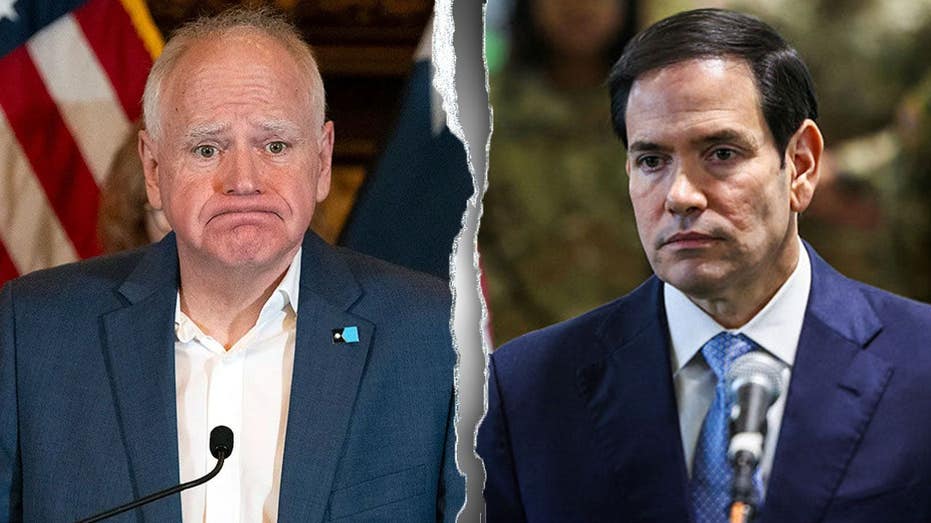
The US State Department has publicly criticised Minnesota Governor Tim Walz after he defended his pardon of a convicted child rapist who was also an illegal immigrant, reigniting controversy over the decision. The dispute highlights ongoing tensions between the Trump administration and Democratic officials over immigration enforcement and criminal justice, with critics accusing Walz of prioritising leniency over victims' rights.
Commentators, including former acting ICE director Jonathan Fahey and Fox host Laura Ingraham, linked the pardon to a separate case in California involving a lenient sentence for an illegal immigrant truck driver, framing both as examples of Democratic officials being soft on crime committed by non-citizens. Walz has stood by his original decision despite the backlash, prompting the State Department's public rebuke as part of a wider political row over immigration and public safety.
In short
- State Department criticises Walz over pardon of illegal immigrant child rapist
- Walz has defended and doubled down on the pardon decision
- Case cited alongside separate lenient sentencing row in California
Steelman: both sides, in good faith
The strongest fair case each way — we don't pick a winner.
The case for
Criminal justice reform advocates contend that clemency decisions should turn on individual circumstances and evidence of rehabilitation rather than categorical prohibitions. They argue that principled reform requires consistent application of such principles even in serious cases, and that using pardons as political weapons in immigration debates undermines the substance of criminal justice policy.
The case against
Opponents maintain that crimes against children occupy a categorical space beyond the appropriate scope of clemency, regardless of rehabilitation claims. They argue that society's fundamental duty to protect children and ensure victims' justice must take absolute precedence over reform principles, and that this concern is further compounded when immigration status appears relevant to clemency decisions.
Explained simply
A pardon is a decision by a government official to forgive a convicted criminal and release them from punishment. In this case, Minnesota Governor Tim Walz issued a pardon for a man convicted of child sexual abuse who was also in the country illegally. Walz's decision proved controversial, with many arguing it was inappropriate to pardon someone convicted of such a serious crime.
The dispute reflects broader disagreements between the Republican Trump administration and Democratic officials over immigration enforcement and criminal justice. Conservative commentators have linked this case to other instances they say show Democratic officials being lenient towards non-citizens who commit crimes, whilst Walz has defended his pardon. These tensions have intensified in recent months as the administration has prioritised stricter immigration enforcement.
Cases involving both immigration and criminal justice can quickly become national political controversies because they raise fundamental questions about law enforcement and public safety. How officials handle pardons in such cases reflects different philosophies about punishment, redemption, and how the justice system should work. This situation illustrates how decisions made by state-level officials can fuel broader national political debates about these issues.
Art Business Culture Markets World