Culture news and discussion on TalkFuse.
Most smart appliances collect data: Here’s how to find out what yours tracks
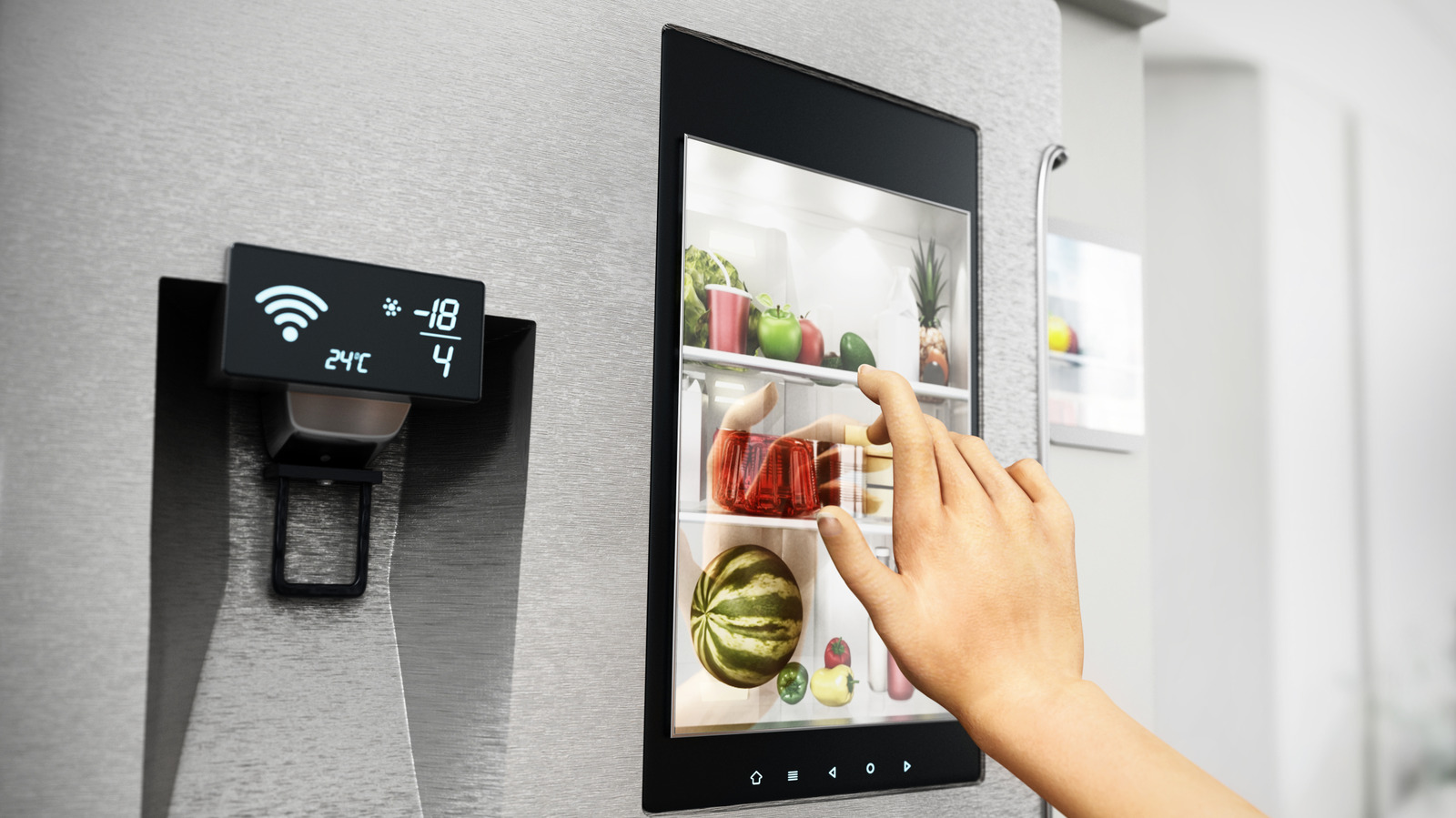
Smart household appliances such as refrigerators, washing machines, and dishwashers actively collect usage data and transmit it to manufacturers on a regular basis. Consumer Reports found that major appliance brands send between 3.4 and 19 megabytes of data weekly, encompassing operational patterns, personal details like postal codes and birthdates, and intimate family information including grocery purchases, consumption habits, and laundry frequency.
Whilst manufacturers typically encrypt this collected data and cite general purposes like product improvement and personalised marketing, the specifics of data sharing remain opaque. Companies routinely share information with subsidiaries, affiliates, and third-party business partners without clearly disclosing what data transfers occur or why. Consumers concerned about privacy can examine company privacy policies to understand collection practices, though manufacturers often use deliberately vague language that obscures the true scope and use of personal information.
In short
- Smart appliances transmit 3.4–19MB of user data weekly, including usage patterns, postal codes, and family routines like grocery buying and laundry schedules
- Manufacturers share this data with subsidiaries and third-party partners for marketing and business improvement, with limited transparency about specifics
- Consumers can review privacy policies to understand tracking, though company statements often remain deliberately vague
Steelman: both sides, in good faith
The strongest fair case each way — we don't pick a winner.
The case for
Manufacturers require detailed usage data to develop genuinely more reliable products, diagnose failures before they cause inconvenience, and deliver the personalisation that consumers now routinely expect from modern appliances. Industry-standard encryption, contractual use limitations, and explicit user consent through terms of service provide meaningful privacy safeguards, whilst the data gathered directly enables valued features like energy efficiency recommendations and predictive maintenance. Consumers retain choice through non-smart alternatives, and competition between manufacturers creates market incentives for responsible data stewardship.
The case against
The collection and opaque sharing of intimate household information—from grocery purchases to laundry patterns—fundamentally breaches reasonable privacy expectations, particularly when companies deliberately obscure the true scope of data use through vague language in privacy policies. Users face an impossible choice: accept extensive surveillance of their most private domestic behaviours or forgo essential household appliances, rendering consent meaningless. The quantity of data collected vastly exceeds what is plausibly necessary for product improvement alone, raising legitimate concerns about unanticipated commercial exploitation.
Explained simply
Smart household appliances including refrigerators, washing machines, and dishwashers are connected devices that collect data about how they are used and transmit this information back to the manufacturers on a regular basis. Data collection has become a standard feature of modern household technology.
The information collected extends far beyond technical data about whether appliances are functioning correctly. It includes personal details such as your postcode and birthdate, as well as information about your household habits and routines, including what groceries you buy, what you consume, and how often you perform tasks like laundry. This data provides manufacturers with an intimate picture of your daily life and family patterns.
Manufacturers typically encrypt the data they collect and claim they use it for purposes such as product improvement and personalised marketing, but the exact details of what is shared and with whom often remain unclear to consumers. Companies routinely pass information to subsidiaries, affiliates, and third parties without transparent disclosure. If you are concerned about privacy, you can review the privacy policies of your appliance manufacturers, though these documents are frequently written in deliberately unclear language that obscures the true scope of data use.