Science news and discussion on TalkFuse.
Perseid meteors to light up night sky in one of the year’s most active showers
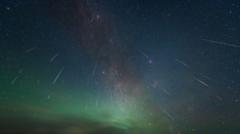
The Perseid meteor shower, one of the most active and reliable displays of the year, is under way and set to peak overnight on 12-13 August 2026, offering skygazers across the UK a chance to see up to 150 meteors an hour under ideal conditions. The shower occurs annually as Earth passes through debris left by Comet 109P/Swift-Tuttle, and this year's peak coincides with a new Moon, meaning darker skies and better visibility for those able to find clear weather.
Running from 17 July to 24 August, the Perseids are known for fast, bright meteors and occasional dramatic "fireballs", with the shower's radiant point located in the constellation Perseus. Viewing is best between midnight and an hour before sunrise, away from light pollution, with no special equipment needed, though eyes should be given around 15 minutes to adjust to the dark. The near-term UK forecast is mixed: high pressure will bring largely dry, settled conditions, though a northerly wind is drawing cloud into northern Scotland and eastern coasts, while southern and western areas should see clearer skies improving further as the week progresses.
In short
- Perseid meteor shower peaks overnight on 12-13 August 2026
- New Moon means darker skies for best viewing
- Up to 150 meteors per hour possible; no equipment needed
Explained simply
The Perseids are a meteor shower that happens every year when Earth passes through the trail of cosmic debris left by Comet 109P/Swift-Tuttle. The debris consists of tiny particles of rock and ice that have been travelling in space for centuries, and when they collide with our atmosphere at high speed, they burn up and create the streaks of light we call meteors.
The meteors in this shower are particularly bright and fast, and during the peak period you might see over a hundred per hour if conditions are ideal. To watch them, you need a clear night sky away from street lights and buildings, and you should give your eyes about 15 minutes to adjust to the darkness. The best viewing window is between midnight and just before sunrise, when the sky overhead is darkest.
Each year the quality of the display depends partly on the Moon's phase and the weather. When the peak coincides with a new Moon, there is less bright moonlight in the sky to compete with the fainter meteors, improving visibility. Cloud cover and nearby artificial lights also affect how many meteors observers can see from their location.