Entertainment news and discussion on TalkFuse.
The awful 1995 movie Quentin Tarantino absolutely adores: “It’s a hell of a lot of fucking fun”
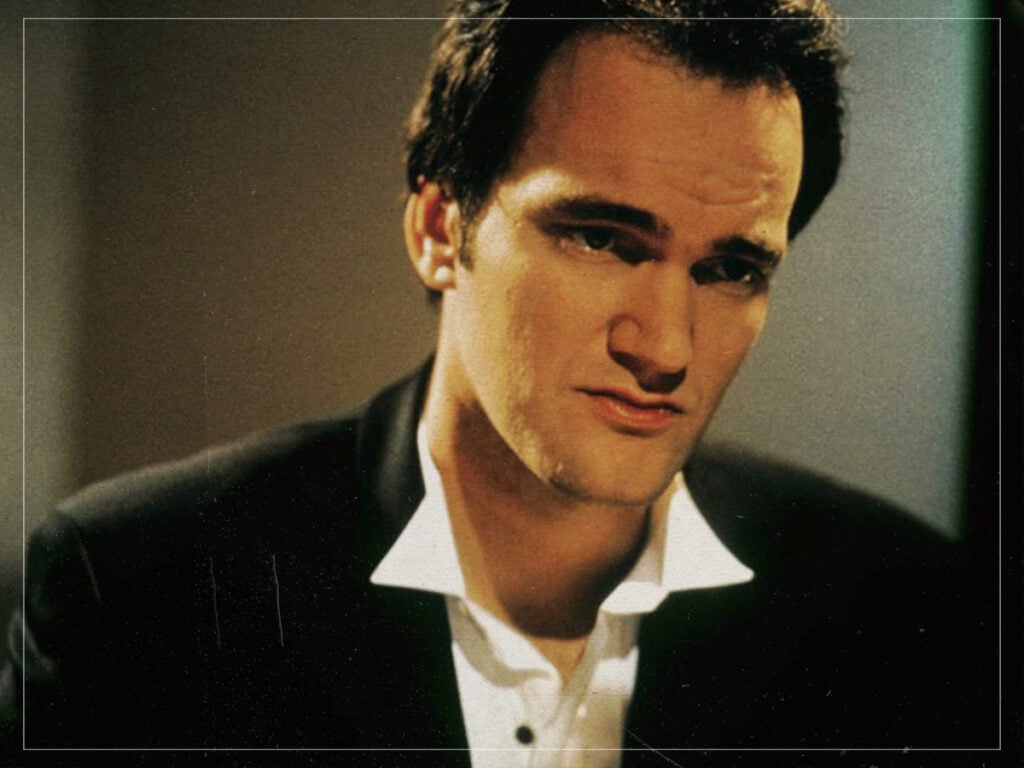
Far Out Magazine highlights that Quentin Tarantino, one of cinema's most acclaimed and discerning directors, holds a surprising fondness for a widely panned 1995 film, praising it not for artistic merit but for its sheer entertainment value. The piece explores the gap between critical consensus and personal viewing pleasure, noting that even celebrated auteurs like Tarantino enjoy so-called "bad" films purely for the fun they offer.
The article centres on Tarantino's enthusiastic endorsement of the film, quoting him describing it as "a hell of a lot of fucking fun" despite its poor critical reception at the time of release. It situates this within Tarantino's well-documented appreciation for genre cinema, exploitation films and guilty pleasures, reflecting his broader philosophy that a movie's craftsmanship matters less than the enjoyment it delivers to an audience.
In short
- Tarantino praises a critically panned 1995 film he loves
- He calls it "a hell of a lot of fucking fun"
- Reflects his known taste for guilty-pleasure genre films
Explained simply
Quentin Tarantino is one of cinema's most respected and influential contemporary directors, known for crafting films that are both acclaimed by critics and popular with audiences. His artistic vision and sharp filmmaking have made him a significant figure in modern cinema, which is why his personal viewing preferences are of interest to film enthusiasts and journalists alike.
The story reveals that Tarantino harbours genuine affection for a 1995 film that was widely dismissed by critics at the time. Rather than praising it for sophisticated filmmaking or artistic merit, he values it simply for the entertainment and fun it provides, suggesting that even celebrated filmmakers find enjoyment in cinema that the critical establishment dismissed.
This illustrates a broader perspective that Tarantino holds about film: that the craft of filmmaking is secondary to the entertainment it provides audiences. His appreciation for genre films, exploitation cinema and so-called guilty pleasures reflects this philosophy. It shows that respected filmmakers can enjoy cinema that critics might dismiss.