Business news and discussion on TalkFuse.
Trump’s 60-day Iran deal reaches halfway mark as ceasefire collapses into escalating war
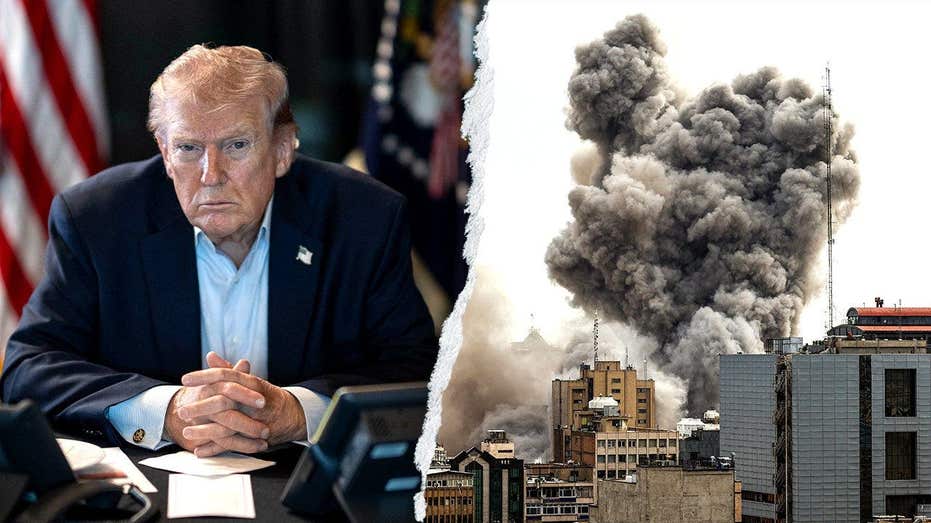
Thirty days into a 60-day negotiating window that President Trump set for a final peace deal between the United States and Iran, the earlier ceasefire has broken down and the two countries are engaged in escalating military exchanges rather than diplomacy. Trump has warned he could "just finish it off," suggesting further heavy strikes remain on the table, while insisting that negotiating with Tehran is only possible from a position of military strength. The development matters because it signals the collapse of a fragile truce and raises the prospect of a wider, prolonged conflict in the region rather than the negotiated settlement the timetable was meant to produce.
In the days before this halfway-mark assessment, US forces carried out fresh strikes on Iranian coastal defence systems, cruise missile storage sites, a surveillance tower, and other military and maritime targets, with officials framing the action as aimed at degrading Iran's capabilities and pre-empting attacks in the Strait of Hormuz. Prominent Republican voices, including Senator Marco Rubio and former UN Ambassador Nikki Haley, have weighed in on the escalating war and the perceived need to see the confrontation with Iran's regime through to a conclusion. With 30 days remaining on the original 60-day clock, the situation remains fluid and no indication has emerged of an imminent return to ceasefire talks.
In short
- Trump's 60-day Iran deal window reaches its halfway point.
- Ceasefire has collapsed; US and Iran now trading strikes.
- Trump threatens to "finish it off" as tensions escalate further.
Steelman: both sides, in good faith
The strongest fair case each way — we don't pick a winner.
The case for
The administration's strategy of coupling military pressure with diplomatic opportunity reflects justified scepticism about Iran's negotiating intent, given its history of violating agreements whilst developing capabilities. Degrading Iranian military infrastructure—coastal defences, cruise missiles, surveillance systems—serves the dual purpose of reducing immediate threats to regional shipping and allies whilst demonstrating the credible consequences Tehran faces if negotiations fail. The position that strength precedes successful negotiation is pragmatic; without meaningful military costs, Iran has shown little incentive to genuinely constrain its regional ambitions or weapons programmes.
The case against
Military strikes during an ostensible 60-day negotiating window fundamentally undermine the diplomatic process rather than support it. Each strike creates pressure for Iranian retaliation, generating a cycle of escalation that makes genuine negotiation progressively less likely and the compressed timeline entirely spent on military manoeuvres rather than substantive talks. The rhetoric about 'finishing it off' signals that military victory, not negotiated settlement, may be the true objective, which makes it rational for Iranian leadership to prepare for conflict rather than compromise. Sustainable regional stability requires de-escalation and good-faith engagement; military demonstrations tend to entrench positions and narrow the space for eventual settlement.
Explained simply
The United States and Iran have been engaged in a long-standing conflict, with tensions periodically escalating into military confrontations. President Trump set a 60-day negotiating period as an opportunity for both countries to reach a permanent peace settlement, with a temporary ceasefire implemented to enable diplomatic talks.
That ceasefire has collapsed halfway through the window, replaced by renewed military exchanges between the two sides. This breakdown is significant because it suggests the prospects for a negotiated agreement have diminished, raising the risk of a prolonged regional conflict rather than a diplomatic resolution.
Several prominent American politicians, including Senator Marco Rubio and former UN Ambassador Nikki Haley, have publicly advocated for maintaining military pressure on Iran rather than returning to peace talks. With 30 days remaining in the original timeframe, there are currently no indications that negotiations will resume.
Business Markets Middle East World