Politics news and discussion on TalkFuse.
DOUG SCHOEN: Trump put 2026 election officials on notice. Now he needs a clear agenda
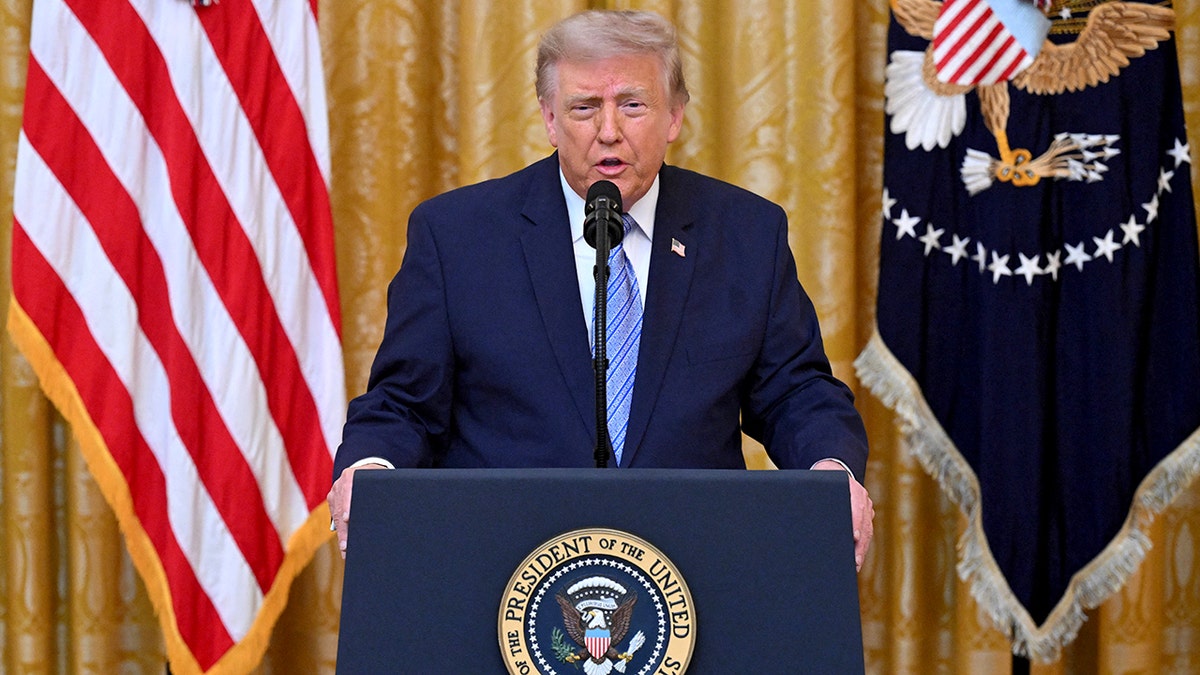
In a Fox News opinion piece, Doug Schoen argues that President Donald Trump's Thursday White House address on election security struck an important note of vigilance, warning of potential foreign interference in US elections from Russia, China, Iran and North Korea. Schoen, who describes himself as broadly sympathetic to the concern, contends that Trump should treat the threat as genuinely global rather than focused on a handful of adversaries, and that both political parties need to take the warning seriously ahead of the 2026 midterms.
The piece follows Trump's release of a trove of documents he says demonstrate vulnerabilities in America's election infrastructure, with the president expected to make election integrity a central theme of his primetime remarks. Schoen calls on Trump to move beyond the warning itself and set out a clear, actionable agenda for securing elections, arguing that allegations against China in particular warrant serious follow-through rather than remaining rhetorical.
In short
- Trump warned of foreign election interference from Russia, China, Iran, North Korea.
- Columnist urges Trump to follow warning with a concrete election security agenda.
- Piece frames the threat as a bipartisan concern ahead of 2026 elections.
Steelman: both sides, in good faith
The strongest fair case each way — we don't pick a winner.
The case for
Foreign interference poses a genuine and evolving threat to US elections, and Trump's warning serves an important function in alerting officials and the public to real vulnerabilities that require attention. Schoen's sympathetic but critical view reflects reasonable thinking: the threat deserves serious acknowledgement, and a clear, comprehensive security agenda is necessary to match the stated concern with concrete action that both parties can support.
The case against
Election security involves complex tradeoffs, and reasonable observers question whether emphasising foreign interference appropriately reflects the full scope of security challenges or whether it should be balanced against domestic concerns. Releasing classified information about vulnerabilities could paradoxically weaken rather than strengthen defences, and without detailed policy proposals, warnings may lack practical impact. Some argue the framing warrants cautious scepticism given past disputes over election integrity claims, questioning whether the emphasis reflects proportionate threat assessment or partly political calculation.
Explained simply
American elections face ongoing concerns about potential foreign interference from countries including Russia, China, Iran and North Korea. These concerns are particularly significant ahead of the 2026 midterm elections.
Doug Schoen is a political analyst and commentator who has recently written about election security. He acknowledges that foreign interference is a legitimate concern but argues that tackling it effectively requires commitment from both major political parties and must treat the threat as genuinely global rather than focused on just a handful of countries.
Schoen's central argument is that identifying and warning of the threat is necessary but insufficient. He contends that what matters now is concrete action, particularly regarding China's alleged interference efforts, and that both parties need to move beyond warnings to develop actionable plans for securing elections.