White House dishes out new election security jab over Olive Garden’s pasta pass ID policy
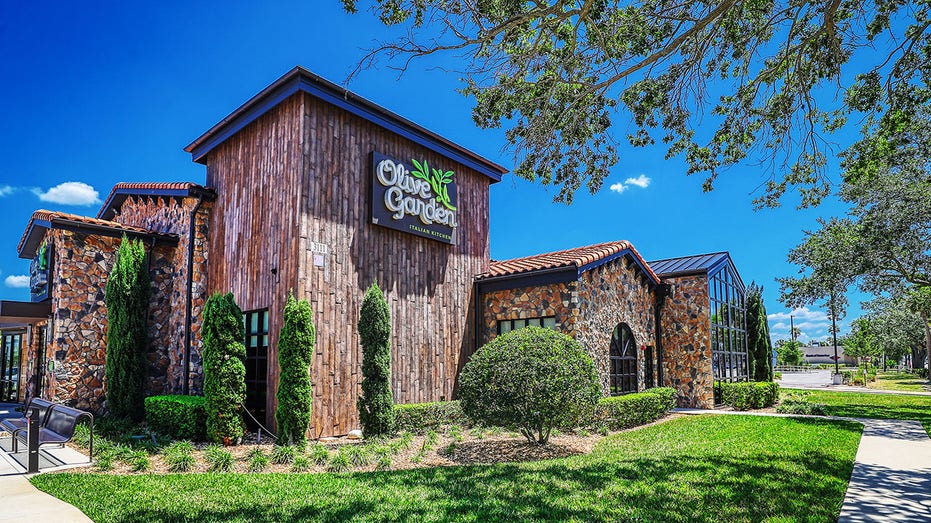
The White House has seized on an online exchange between Olive Garden and a customer over its new unlimited pasta pass to reinforce its push for stricter voter identification laws. After the Italian restaurant chain said on social media that photo identification would be required to redeem the pasta pass, politically engaged commentators, including figures in the Trump administration, used the episode to argue that if ID is needed for pasta, it should also be required for voting.
The row comes as President Donald Trump continues to press Congress to pass the SAVE America Act, which would mandate photo voter ID and proof of citizenship in federal elections; he has said he will not sign a separate housing bill unless it includes voter ID measures. Trump claims the legislation has support from 97% of Republicans and a number of Democrats, and cites it as key to preventing voter fraud, while Democrats and China have separately pushed back on related election-interference claims.
In short
- Olive Garden's pasta pass ID rule went viral online
- White House used it to promote stricter voter ID laws
- Trump ties SAVE America Act support to housing bill signing
Steelman: both sides, in good faith
The strongest fair case each way — we don't pick a winner.
The case for
Proponents argue that requiring photo identification for voting protects election integrity, a foundation of democracy. They note that identification is routinely required for significant transactions—from banking to air travel to restaurant promotions—and that voting, being perhaps the most consequential civic act, deserves equivalent security measures. They contend that whilst voter fraud may not occur at massive scale, even modest instances undermine public confidence in elections, and that reasonable identity verification is neither unusual internationally nor inherently discriminatory if identification is made accessible.
The case against
Opponents maintain that voter ID laws create barriers to voting that suppress turnout among eligible citizens, particularly minorities, elderly people, and those in poverty who are less likely to possess current photo identification. They argue that documented voter fraud is extraordinarily rare, making the proposed remedy worse than any actual threat, and that voting is a fundamental constitutional right that should not face artificial impediments. They contend that the comparison to a commercial promotion is inapt, since accessing a private service differs fundamentally from exercising a constitutional right.
Explained simply
America has an ongoing political debate about whether people should need to show photo identification to vote in elections. This divides Republicans and Democrats, who disagree fundamentally about how voting should work.
Olive Garden, an American restaurant chain, announced that customers would need photo identification to redeem a new unlimited pasta pass offer. Figures in the Trump administration used this example to argue that identification requirements should apply to voting as well.
President Trump is pressing Congress to pass the SAVE America Act, which would require voters to show photo identification and proof of citizenship in federal elections. Trump argues this is necessary to prevent fraud, but Democrats oppose the measure and question its necessity.
Elections Government Politics World