Entertainment news and discussion on TalkFuse.
The Biggest Fantasy Sequel of 2026 Officially Hits HBO Max Next Week
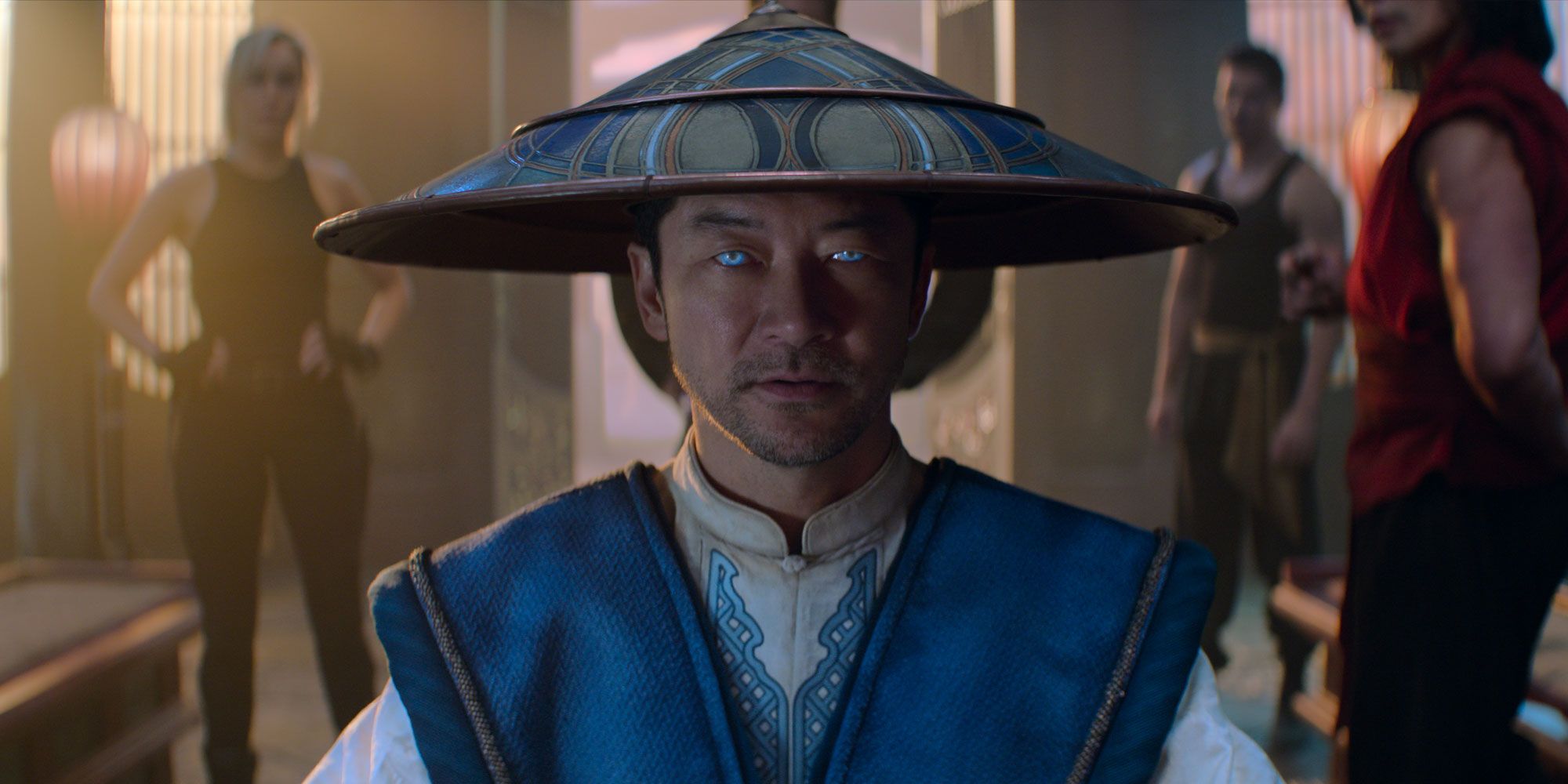
HBO Max has confirmed that Mortal Kombat II, the year's biggest video game film sequel, will begin streaming on 24 July 2026, bringing the franchise's fighting tournament home just weeks after its theatrical run. Directed once again by Simon McQuoid, the sequel expands significantly on the 2021 original, finally staging the titular tournament between Shao Khan's Outworld forces and Earthrealm's champions, with Karl Urban's washed-up action star Johnny Cage taking over as the lead. The release adds to a packed year for video game adaptations, alongside films such as The Super Mario Galaxy Movie and Iron Lung, with Resident Evil and Street Fighter still to come.
Mortal Kombat II earned $129 million at the box office and was well received by audiences, and its streaming debut will feature an expanded cast including Adeline Rudolph, Jessica McNamee, Hiroyuki Sanada and Joe Taslim. Notably, HBO Max will also offer an American Sign Language version, directed by Rosa Lee Timm and performed by Justin Perez, using a technique called Visual Vernacular that blends ASL with mime, facial expression and body movement to capture the film's visual action for deaf and hard-of-hearing viewers.
In short
- Mortal Kombat II streams on HBO Max from 24 July 2026
- Sequel made $129 million at the box office to strong reviews
- Streaming release includes a specially directed ASL version
Explained simply
Mortal Kombat is a video game franchise from the early 1990s centred on martial artists and fantasy characters who fight each other in competition. The franchise returned to cinema with a theatrical film in 2021 after many years away from the big screen.
Video game franchises have become significant sources for film and television production, with studios regularly developing adaptations of popular games. This reflects the cultural prominence of gaming and the value of the audiences these properties already attract.
Contemporary major films now distribute across both theatrical release and streaming services, often releasing on streaming platforms weeks after their cinema run ends. This multi-platform approach has become standard industry practice.