World news and discussion on TalkFuse.
Christopher Nolan’s The Odyssey is one of the most subversive adaptations in Hollywood history
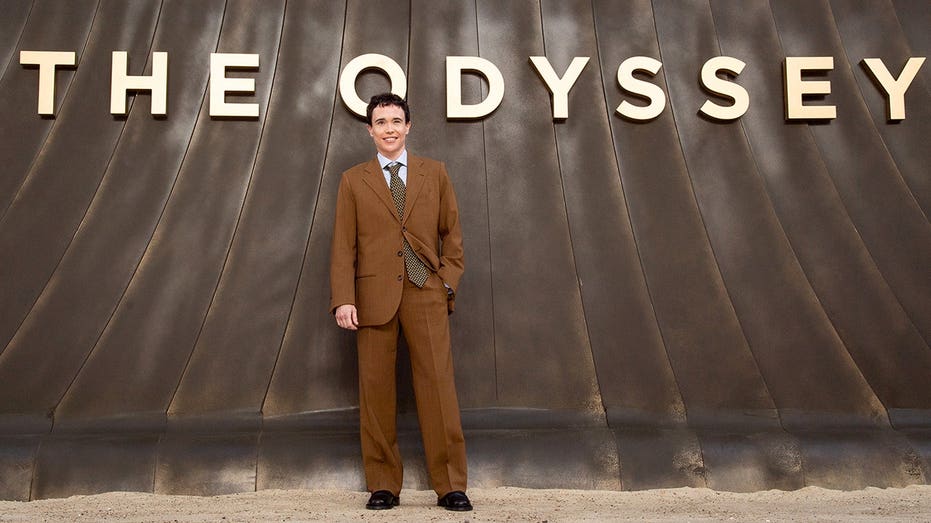
Christopher Nolan's new film adaptation of Homer's *The Odyssey* has become a flashpoint of controversy in Hollywood, with an opinion piece from OutKick arguing it is one of the most subversive literary adaptations the industry has produced. The article situates the film within wider debates over its casting choices, updated dialogue, and the extent to which Nolan drew on Emily Wilson's contemporary, feminist-inflected translation of the ancient Greek epic rather than more traditional renderings.
The piece notes that reaction has been sharply divided, with Nolan himself dismissing criticism of his casting decisions as "irrelevant" in recent comments, while other outlets have been accused of inconsistency in how they cover the backlash. The film was shot in IMAX and marks a high-profile foray by one of Hollywood's most bankable directors into reimagining classical mythology for modern audiences, a project the article frames as testing how far a mainstream studio adaptation can diverge from its source material.
In short
- Nolan's *The Odyssey* adaptation is sparking major Hollywood controversy
- Disputes centre on casting, modernised dialogue and translation source
- Nolan calls casting criticism "irrelevant"; reactions remain deeply polarised
Steelman: both sides, in good faith
The strongest fair case each way — we don't pick a winner.
The case for
Defenders of Nolan's approach argue that adapting classical works for contemporary audiences necessarily requires linguistic and cultural updating to preserve their vitality and meaning for modern viewers. They contend that scholarly innovations like Wilson's feminist translation illuminate dimensions of the original text itself, and that casting choices reflecting today's demographic reality need not diminish the story's power—indeed, they may deepen audience connection by making classical narratives feel urgent and immediate rather than museum pieces.
The case against
Critics maintain that such substantial departures from source material risk replacing Homer's work with something essentially new, and that this disrespects both the original author's vision and the cultural legacy audiences expect from a canonical text. They argue that if contemporary storytelling requires ideological reframing or wholesale modernisation of language and themes, creators should develop original works rather than repositioning classics to serve current concerns, which amounts to imposing present-day assumptions onto an ancient artefact.
Explained simply
Christopher Nolan, one of Hollywood's most successful directors, has made a film adaptation of The Odyssey, an ancient Greek epic poem centred on a warrior's long journey home after war. This is a major studio project bringing classical mythology to contemporary audiences.
The adaptation has sparked debate about the choices Nolan made in bringing the ancient text to screen. Questions have arisen about the film's casting decisions, updated dialogue, and the decision to draw on Emily Wilson's recent translation of the epic alongside more traditional versions. These choices have led some observers to view the film as a significant departure from Homer's original work.
The film has become part of a broader conversation in Hollywood about how far filmmakers can reimagine classical works. The extent to which an adaptation can diverge from its source material has raised questions about the nature of literary adaptation and what audiences expect from such projects.
Americas Entertainment Film World