World news and discussion on TalkFuse.
Covert DNA sample from Colorado man’s trash revives 44-year-old Texas murder case: report
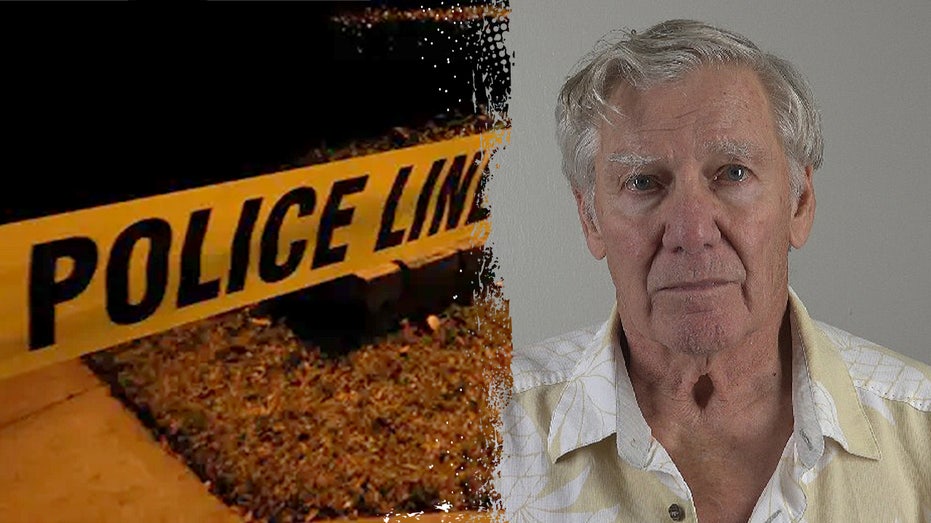
A 79-year-old Colorado man, Larry Dean Brown, has been indicted over the 1981 strangulation murder of a Braniff Airlines flight attendant in Texas, after investigators secretly obtained a DNA sample from rubbish he had discarded. The genetic match is reported to have linked him to evidence from the decades-old crime scene, breathing new life into a case that had gone cold for 44 years.
Investigators reportedly compared DNA collected covertly from Brown's trash against material recovered from the original 1981 investigation, resulting in a match that led to his indictment. Details of the original case, including the victim's identity and the exact circumstances of her death, stem from the 1981 killing of the Braniff flight attendant, with the case having remained unsolved for over four decades until this breakthrough in forensic genetic testing.
In short
- Colorado man, 79, indicted in 1981 Texas flight attendant murder.
- Covert trash DNA sample matched decades-old crime scene evidence.
- Cold case revived after 44 years using genetic detective work.
Steelman: both sides, in good faith
The strongest fair case each way — we don't pick a winner.
The case for
The strongest case is that solving a serious violent crime, especially after 44 years, serves justice for the victim and the public interest. DNA evidence from abandoned trash benefits from established legal precedent regarding reduced privacy expectations, and this reliable scientific method successfully identified a suspect when traditional investigation had failed. The investigative technique is practical and proportionate given the gravity of murder investigation.
The case against
The strongest case is that covert DNA collection without warrant or judicial oversight raises serious constitutional concerns about government overreach, even in serious criminal cases. Allowing authorities to collect genetic material secretly from discarded items sets a troubling precedent for surveillance and erosion of privacy rights, particularly when Fourth Amendment protections exist precisely to constrain government power and require judicial oversight in sensitive investigations. Bypassing these procedural safeguards—however practically effective—risks undermining fundamental protections that must apply equally to solving crimes and preserving liberty.
Explained simply
A flight attendant for Braniff Airlines was strangled and murdered in Texas in 1981. Whilst the crime scene was investigated and evidence collected, no suspect was identified, and the case went unsolved for over four decades. It became one of thousands of cold cases across America where the killer was never found.
Modern DNA testing has transformed how police solve old murders. Investigators can now analyse genetic material from crime scenes and compare it to reference samples, even extracting DNA from a person's discarded rubbish to check for matches. This technology has allowed previously unidentified suspects to be connected to decades-old crimes.
The case shows why advances in forensic science matter to cold investigations. A murder that remained unsolved for 44 years can now potentially be resolved through genetic analysis, offering the possibility of answers to victims' families and bringing closure to long-abandoned cases.