World news and discussion on TalkFuse.
Poor air quality due to wildfires forces logisitcal changes at several MLB games, including postponement
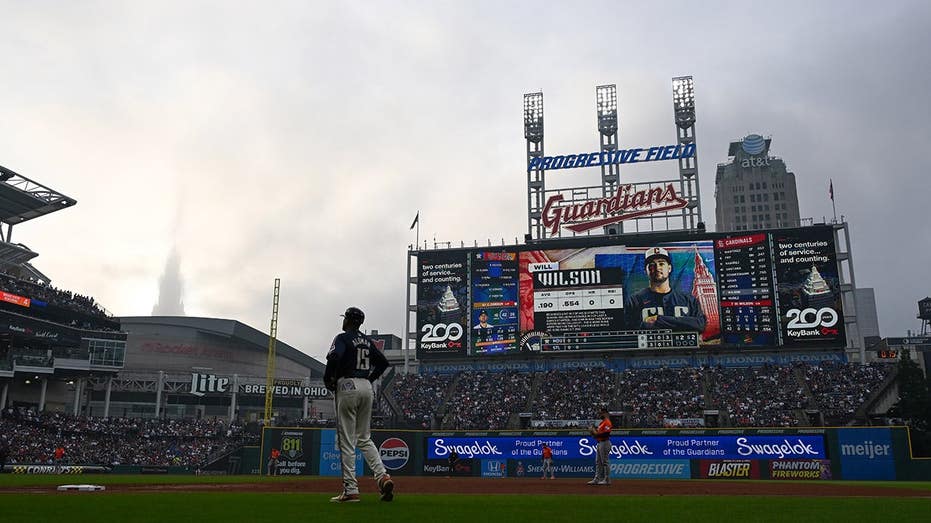
Wildfire smoke drifting south from Canada has forced Major League Baseball to alter plans for several games in the Midwest and Northeast, including at least one postponement, as hazardous air quality alerts spread across the region. The disruption highlights how worsening wildfire seasons are increasingly affecting live sport, prompting teams and leagues to prioritise player and fan health over fixtures.
Air quality alerts have been issued across roughly 15 US states, affecting more than 100 million people, according to health experts who warn of both short-term and long-term risks from fine particulate matter, including aggravated asthma, heart problems and potential cancer risk. Alongside the MLB disruption, a Major League Soccer fixture was also postponed on Thursday, while players from the Phillies and Mets voiced concern about competing in unhealthy conditions, with some venues adjusting logistics such as closing retractable roofs to limit exposure.
In short
- Canadian wildfire smoke disrupts MLB games, causing a postponement
- Air quality alerts cover 15 US states, over 100 million people
- Players and health experts warn of serious health risks
Steelman: both sides, in good faith
The strongest fair case each way — we don't pick a winner.
The case for
Player and spectator health must take precedence over fixture schedules and commercial interests. Medical experts warn of genuine risks from fine particulate matter affecting respiratory and cardiovascular systems, with particular danger to vulnerable populations. The players themselves have expressed legitimate concern about competing in hazardous air quality. When faced with credible health warnings and athlete concern, a precautionary approach including postponement reflects responsible duty of care over the fixture calendar.
The case against
Postponement decisions entail substantial costs for teams, workers and fans with existing plans, whilst viable alternatives can mitigate air quality risks without cancellation. Modern venues employ air filtration, domed structures and enhanced ventilation systems that enabled some games to proceed safely. Since different stadiums face varying exposure levels, uniform postponements may be unnecessarily broad; a proportionate response would deploy targeted mitigations matched to individual venue risks rather than blanket cancellations.
Explained simply
Wildfires burning in Canada produce smoke that drifts south across the United States, sometimes settling over large regions and degrading air quality to hazardous levels. This smoke contains fine particles that can affect outdoor activities and public health across hundreds of miles from the fire source.
When inhaled, these fine particles can trigger respiratory problems, aggravate existing conditions like asthma, and cause heart complications or other health issues. Air quality experts monitor smoke spread and issue alerts to warn the public when pollution levels become dangerous.
Professional sports leagues including Major League Baseball must sometimes adjust or postpone events when smoke creates hazardous air conditions. The issue illustrates how changing wildfire patterns increasingly force sports organisations to balance competition schedules against public health and safety.