World news and discussion on TalkFuse.
If China targeted our elections, why reward it with 600,000 student visas?
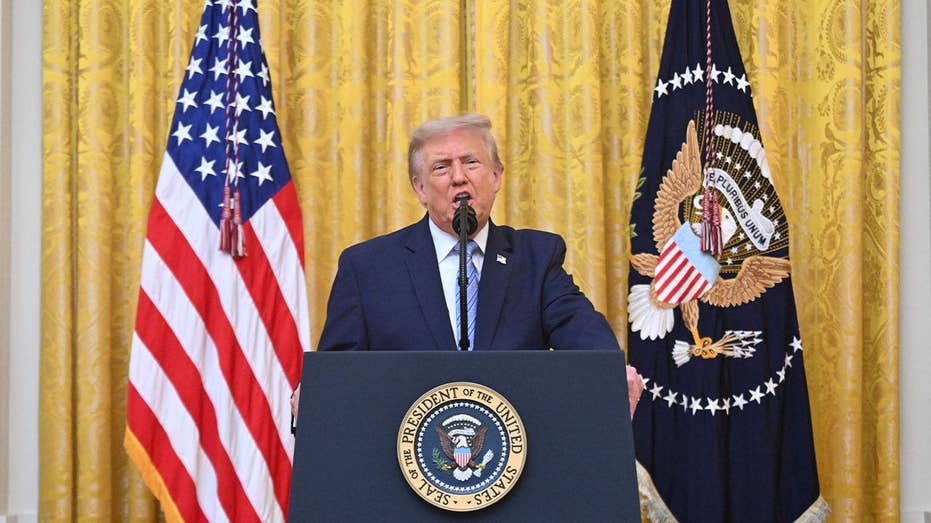
An opinion piece by Rebeccah Heinrichs argues that after President Trump publicly accused China of interfering in US elections, it is inconsistent for the United States to continue issuing hundreds of thousands of student visas to Chinese nationals. The article contends that allowing large numbers of Chinese students into American universities, some of whom the author suggests could be linked to espionage or influence operations, undermines efforts to counter Beijing's alleged meddling and calls for a significant reduction in such visas.
The piece follows a prime-time address in which Trump, described as visibly angry, said newly released documents showed China had engaged in a sustained campaign against his first administration and re-election prospects. The author uses this as a starting point to question broader US policy toward China, specifically highlighting the roughly 600,000 Chinese student visas issued as a point of vulnerability, framing continued openness on this front as at odds with concerns over Chinese state interference.
In short
- Fox opinion piece urges cutting Chinese student visas after Trump's China interference claims
- Trump alleged Chinese efforts to undermine his presidency in prime-time address
- Author calls roughly 600,000 student visas a security inconsistency
Steelman: both sides, in good faith
The strongest fair case each way — we don't pick a winner.
The case for
If China has engaged in sustained election interference, the US should align its policies across all relevant areas to protect national security and electoral integrity. Student visas provide access to research institutions, technical expertise, and networks that could be exploited for espionage or intellectual property theft; continuing to issue 600,000 of them annually appears inconsistent with treating election interference as a serious threat. A responsible government would implement proportionate restrictions on visa access from states engaged in hostile activities, particularly when China itself maintains stringent controls over American access.
The case against
Restricting student visas based on nationality would punish hundreds of thousands of individuals for alleged state-level actions beyond their control, undermining principles of academic freedom and individual rights. Educational exchange has genuine benefits for research, innovation, and cross-cultural understanding; broad visa restrictions damage these relationships and could prove counterproductive. Rather than isolation, targeted security measures—enhanced vetting, monitoring of sensitive research areas, or restrictions on specific fields—can address legitimate concerns without abandoning the openness that characterises thriving universities and fosters the kind of engagement that historically reduces international tensions.
Explained simply
The debate centres on US policy towards Chinese students amid broader tensions over alleged Chinese interference in American elections. China has been accused by senior US officials of attempting to influence elections, including in recent years. The question being raised is whether issuing large numbers of student visas to Chinese nationals is compatible with efforts to counter such interference.
The United States issued approximately 600,000 student visas to Chinese nationals, making China one of the largest sources of international students at American universities. These students contribute significantly to higher education institutions through tuition fees and campus participation. The concern raised in this commentary is whether some students could pose security risks, or be involved in espionage or influence operations on behalf of the Chinese state.
The debate reflects broader tensions in the US-China relationship and raises questions about how governments balance security concerns with openness to international education and cultural exchange. Universities and the education sector have traditionally valued international students for academic and economic reasons, but policymakers are engaged in ongoing discussions about weighing these benefits against national security interests.