Politics news and discussion on TalkFuse.
Democrats turn on congressional hopeful after ‘hiding’ LGBTQ+ views from Muslim voters
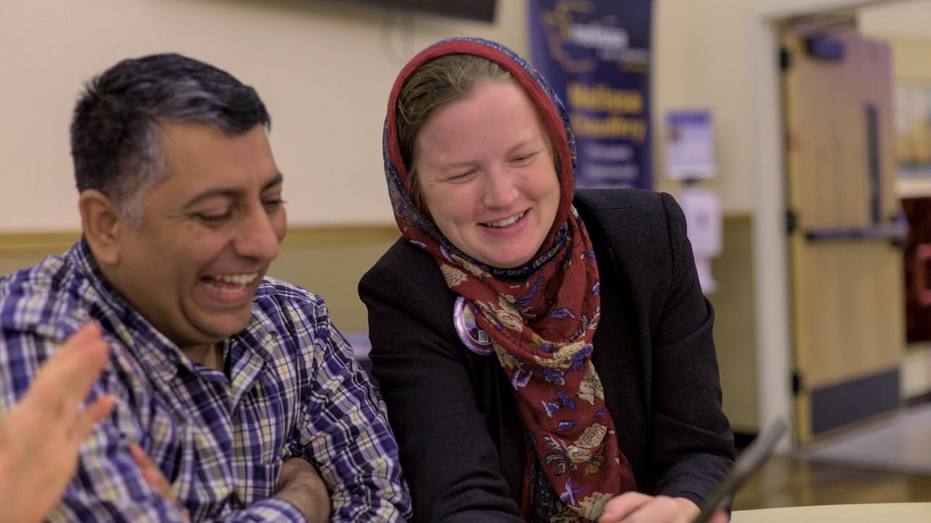
A Democratic congressional challenger in Washington state is facing backlash from within her own party after reportedly admitting she omitted LGBTQ+ rights from her campaign website out of concern it might alienate Muslim voters in her district. The revelation, first reported by Seattle Red, has prompted Democratic organisations to reconsider their endorsements of the candidate, who is attempting to unseat a long-serving member of Congress. The episode highlights tensions within the Democratic Party over how to balance appeals to socially conservative religious constituencies with its broader commitment to LGBTQ+ advocacy.
The controversy centres on the candidate's decision to leave LGBTQ+ policy positions off her official platform, a move critics say amounted to concealing her actual views to avoid offending a segment of voters. Party groups that had previously backed her bid are now said to be reassessing that support in light of the report, though the full scope of the fallout and any formal response from the candidate remains unclear from the available details.
In short
- Washington state Dem hopeful accused of hiding LGBTQ+ views from Muslim voters
- Democratic groups reportedly reconsidering their endorsements of her
- Row exposes intra-party tension over identity politics and religious outreach
Steelman: both sides, in good faith
The strongest fair case each way — we don't pick a winner.
The case for
Those defending the candidate's approach argue that diverse districts require strategic communication, and emphasising different priorities to different communities is standard politics. They contend that reaching out respectfully to Muslim voters, whose religious traditions may view LGBTQ+ issues differently, strengthens rather than undermines the Democratic coalition. The candidate's omission of LGBTQ+ positions from a particular platform need not reflect hidden views, but rather thoughtful consideration of how to build trust and find common ground across constituencies with genuinely different starting points.
The case against
Critics contend that LGBTQ+ rights represent a core Democratic commitment that should never be concealed or downplayed to appease any voter group. They argue that withholding information about the candidate's actual positions from voters constitutes a form of dishonesty that corrodes trust and suggests she is not genuinely committed to LGBTQ+ equality. For a party built on expanding rights and dignity, they maintain, strategic erasure of LGBTQ+ advocacy sends a troubling signal that those rights are negotiable depending on which voters one is addressing.
Explained simply
The Democratic Party has made support for LGBTQ+ rights central to its political platform and identity, viewing equality on these issues as fundamental to its values. Simultaneously, the party seeks to build electoral coalitions that include religious voters, including Muslims and other faith communities, many of whom hold socially conservative views that may differ from mainstream Democratic positions on LGBTQ+ matters.
This creates a persistent tension in Democratic strategy: how to maintain commitment to LGBTQ+ advocacy whilst appealing to religious constituencies whose traditional values may conflict with this advocacy. The party has generally attempted to navigate this through building broad, inclusive coalitions, though the balance between these priorities has proved contentious in various races and regions.
The challenge becomes particularly acute in diverse districts where different voter groups have distinct values and priorities. When a candidate's approach to this balancing act becomes public—especially if one constituency's concerns appear to have been prioritised over another's—it can provoke serious controversy within the party.
Elections Government Paranormal Politics Weird & Viral World