Culture news and discussion on TalkFuse.
Agatha Christie’s Darkest Adaptation Is a 3-Part Murder Mystery Done Right
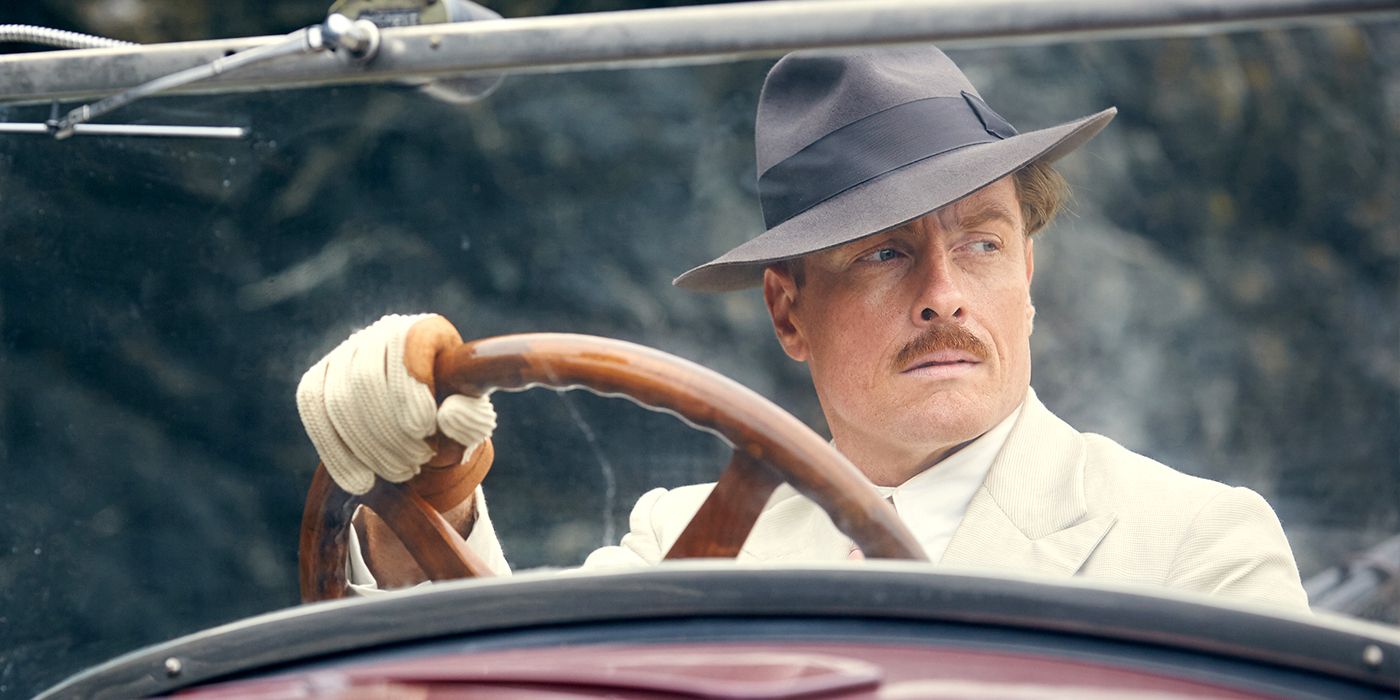
The BBC's 2015 three-part adaptation of Agatha Christie's And Then There Were None stands out as a particularly faithful realisation of the celebrated 1939 novel. Directed by Craig Viveiros and written by Sarah Phelps, the miniseries brings together an ensemble cast to effectively convey one of the most influential crime narratives ever written — a work that holds the distinction of being both the best-selling book of all time and Christie's crowning achievement.
The story unfolds as ten strangers are lured to a secluded island under false pretences and accused of serious crimes through a gramophone recording. What distinguishes this narrative is its refusal to provide conventional comfort; there is no heroic detective intervention or redemptive arc. Instead, the adaptation leans fully into the novel's deliberately cruel worldview and sharp social commentary. By preserving the source material's bleak tone and unsparing critique of human nature and society, the miniseries demonstrates how Christie's work essentially invented the modern slasher-thriller template — isolated setting, victims eliminated one by one, danger lurking within the group itself. This structural innovation ensures the story's social commentary remains strikingly relevant across decades.
In short
- BBC's 2015 miniseries faithfully adapts Christie's 1939 novel, capturing its bleak and unforgiving tone
- Ten strangers lured to an isolated island are accused of crimes and methodically eliminated without heroic rescue
- Production emphasises the novel's enduring social critique and demonstrates how it pioneered the isolated-location thriller formula
Steelman: both sides, in good faith
The strongest fair case each way — we don't pick a winner.
The case for
Faithful adaptations that preserve the author's original vision and artistic intent represent the most respectful and effective approach to bringing literature to screen. Christie's deliberately uncompromising bleakness and refusal of redemptive comfort are essential to her social critique; maintaining these elements honours the work's power whilst ensuring its relevant commentary resounds with modern audiences.
The case against
Whilst fidelity to source material matters, adaptations serve audiences best through creative reinterpretation rather than slavish copying. Thoughtfully considered additions—deeper character exploration, moments of human connection, or carefully calibrated hope—can enhance emotional resonance and contemporary relevance without undermining the core narrative. "Doing it right" is inherently subjective, and different interpretive philosophies can each produce artistically valid results.
Explained simply
Agatha Christie's "And Then There Were None" is a 1939 murder mystery novel about ten strangers lured to a secluded island under false pretences. Once there, they are accused of crimes through a gramophone recording, and one by one they begin to die with no way to escape.
The novel is the best-selling book of all time and is considered one of Christie's most important works. It gained this status partly because it established a template that would define modern thrillers—an isolated setting where characters are eliminated one by one whilst danger lurks within the group itself.
The BBC produced a three-part television adaptation of the novel in 2015, directed by Craig Viveiros and written by Sarah Phelps. The adaptation is noted for maintaining the novel's bleak tone and refusing to soften the story with conventional detective heroics or redemptive endings.
Art Culture Paranormal Weird & Viral