Entertainment news and discussion on TalkFuse.
Forget Batman and Superman, This Fan-Favorite Hero Is DC’s Greatest Character
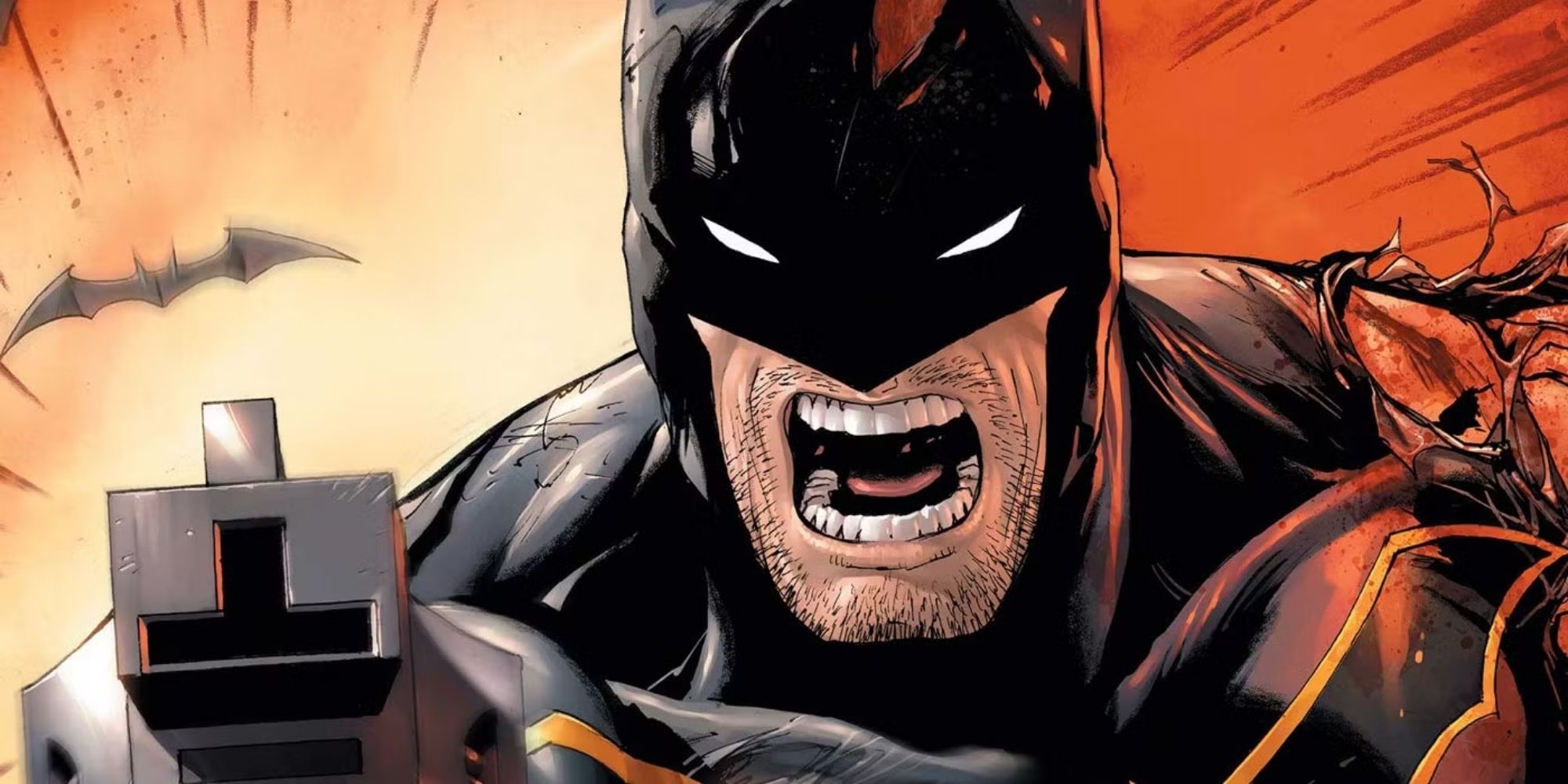
A Collider opinion piece argues that Dick Grayson – best known as Nightwing, and originally Batman's first sidekick Robin – is the greatest character in DC Comics history, surpassing even Batman and Superman. The piece contends that while Dick's historical status as comics' first sidekick is notable, his true greatness stems from his character development after leaving the Robin identity, and from embodying the qualities of a genuinely great hero rather than just a legacy figure.
The article traces Dick's origin as a member of the Flying Graysons circus family, whose parents are murdered by the criminal Tony Zucco, prompting Bruce Wayne to adopt him and train him as Robin so he can find justice without becoming a vigilante driven purely by vengeance, unlike Batman himself. It follows his path from Batman's sidekick to leader of the Teen Titans, his eventual split from Batman (for varying reasons depending on comic continuity), and his transformation into Nightwing, a hero who later protects the crime-ridden city of Blüdhaven, remaining, in the author's view, one of DC's most hopeful and well-rounded characters despite personal struggles.
In short
- Collider argues Nightwing, not Batman or Superman, is DC's best character
- Dick Grayson was created in 1940 as Robin, comics' first sidekick
- His growth from Robin to independent hero Nightwing defines his appeal
Steelman: both sides, in good faith
The strongest fair case each way — we don't pick a winner.
The case for
Dick Grayson's character arc represents the most authentic transformation in DC canon, progressing from traumatised orphan to genuinely independent hero whose journey from vengeance-driven Robin to hope-embodying Nightwing exemplifies profound personal growth and emotional maturity. His relatability stems from overcoming human struggles rather than relying on godlike powers or psychological obsession, and his dual role as both protector and mentor demonstrates a richer, more evolved heroism than figures whose power or mythology define them.
The case against
Batman's claim to greatest rests on unmatched psychological depth—his exploration of trauma, obsession, and the moral ambiguity of vigilantism—whilst Superman's archetypal function in creating superheroism itself grants him foundational significance no other DC character possesses. Assessing 'greatest' requires weighing competing values—character development, cultural legacy, thematic complexity, symbolic weight—on which different characters excel, and Batman and Superman's dominance across multiple dimensions makes Dick Grayson's superiority more contestable than the article suggests.
Explained simply
Dick Grayson began as Batman's first sidekick, Robin, but has since established himself as Nightwing, the independent hero of the city of Blüdhaven. An opinion piece has argued that Grayson represents DC Comics' greatest character, surpassing more famous heroes like Batman and Superman. The debate centres on what makes a superhero "great" and how character development shapes legacy in comic book storytelling.
Grayson's story began when his parents, members of a circus acrobatic act called the Flying Graysons, were murdered by a crime boss named Tony Zucco. Bruce Wayne adopted the orphaned boy and trained him as Robin, intending to guide him towards justice without the vengeance-driven trauma that defined Batman himself. This origin established Grayson as a character shaped by loss but ultimately oriented towards hope rather than darkness.
Over decades of storytelling, Grayson evolved from sidekick to leader, serving as head of the Teen Titans before eventually stepping out from Batman's shadow to become Nightwing. The argument in his favour rests not merely on his historical significance as comics' first sidekick, but on his portrayal as a well-rounded, emotionally mature hero who remains hopeful despite personal struggles. His character arc demonstrates how a hero can develop meaningfully beyond their origins.