Technology news and discussion on TalkFuse.
The American Version of ‘Sailor Moon’ Censored More Than You Realize
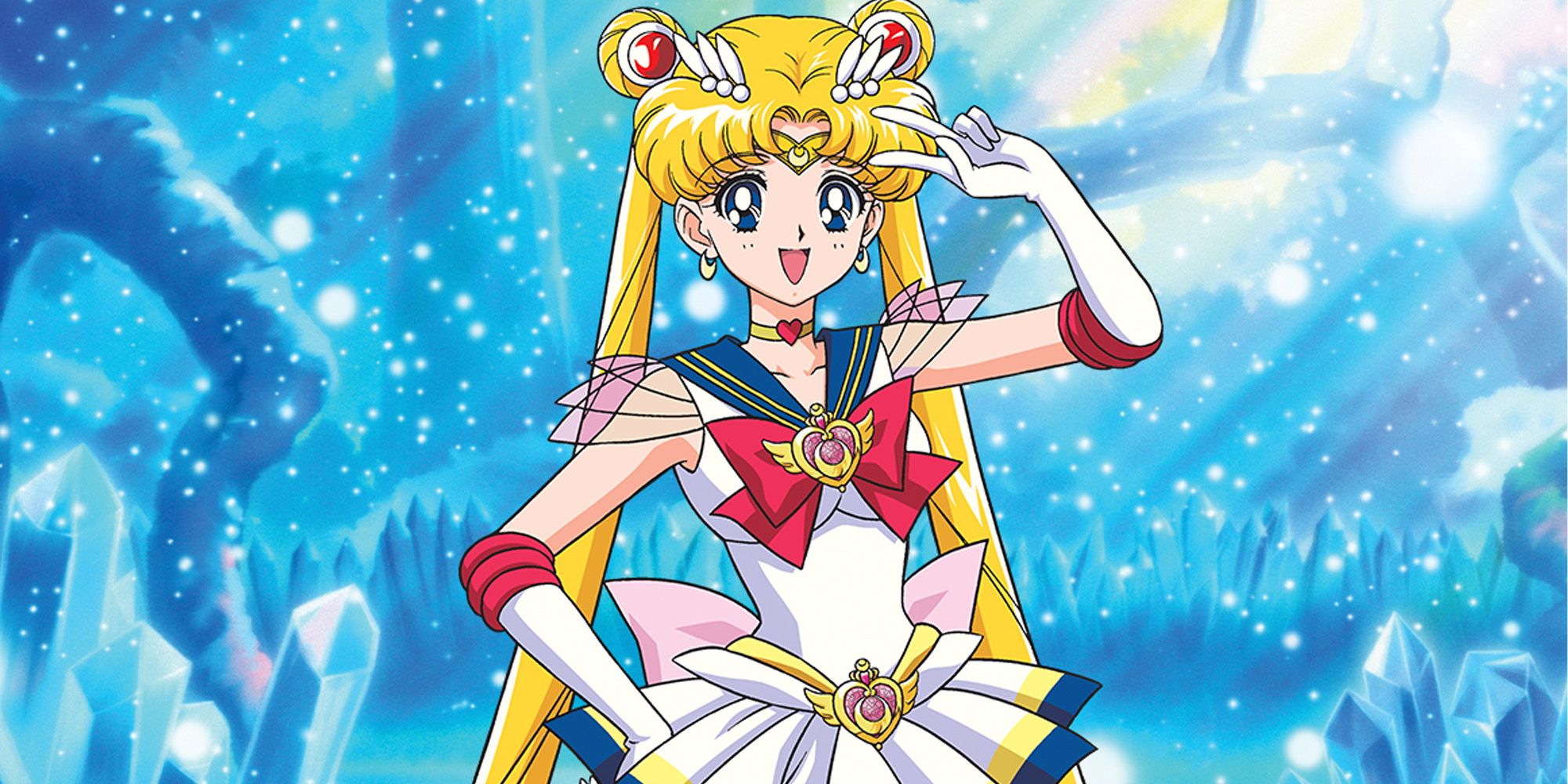
The English-language dub of the 1990s anime series Sailor Moon underwent extensive editing to make it more acceptable to American audiences, altering several of the original story's key themes in the process. As one of the first anime titles, alongside Dragon Ball Z and Pokémon, to build a major US fanbase, the show's changes illustrate a broader pattern of Western localisation softening or removing references to death, violence and sexual content from Japanese source material during that era.
The dub was produced by DIC Entertainment, known for other animated series including The Real Ghostbusters, Street Sharks and Extreme Dinosaurs. Alterations included renaming the lead character from Usagi Tsukino to Serena, replacing the original Japanese opening theme with a new English one, and adding a segment called "Sailor Says", in which the Sailor Scouts delivered moral lessons to viewers, an approach DIC had previously used on Adventures of Sonic the Hedgehog.
In short
- US Sailor Moon dub heavily edited for American audiences in the 1990s
- DIC Entertainment renamed characters and altered the theme song
- "Sailor Says" segment added to impart lessons to young viewers
Steelman: both sides, in good faith
The strongest fair case each way — we don't pick a winner.
The case for
The localisation reflected responsible decision-making within the regulatory environment of 1990s American children's television, where strict broadcast standards governed content. Adaptation is a necessary, recognised industry practice enabling international works to reach broader audiences whilst respecting different cultural expectations and legal requirements. The DIC version's commercial success in building anime's American presence ultimately expanded opportunities for future series and audiences, demonstrating that localisation need not undermine a work's essential appeal.
The case against
The extent of Sailor Moon's alterations raised legitimate concerns about fidelity to the original creator's vision, particularly given the removal of thematic elements—death, maturity, relationships—central to the narrative. The changes reflected American cultural paternalism about children's content that many European localisations avoided, effectively withholding material based on assumptions rather than demonstrated harm. Presenting anime as requiring substantial correction rather than appreciation established a problematic precedent for how Japanese works were valued and represented in the West, potentially limiting audiences' exposure to diverse storytelling approaches.
Explained simply
Sailor Moon is a Japanese animated series from the 1990s about a group of teenage girls with special powers who transform into superheroes to fight evil. When it arrived in America, it became one of the first Japanese animated shows to attract a large mainstream audience, alongside Dragon Ball Z and Pokémon, and its adaptation process would influence how Japanese animated series were brought to Western viewers for years to come.
The American version, dubbed into English by animation company DIC Entertainment, made substantial changes to the original story to suit American audiences at the time. These alterations included renaming the lead character from Usagi Tsukino to Serena, creating a new opening theme in English, and adding a segment called "Sailor Says" where the heroes delivered moral lessons to viewers—a technique DIC had previously used on other animated series.
The changes went deeper than simple translation, as the dub removed or softened references to death, violence and sexual content that appeared in the Japanese original. This pattern of significant alteration during adaptation reflects how Western companies in that era approached Japanese animation and other international content, cutting or rewording material they believed would not be acceptable to American audiences of the time.