Technology news and discussion on TalkFuse.
US midterm results bolster resistance to AI expansion and tech influence
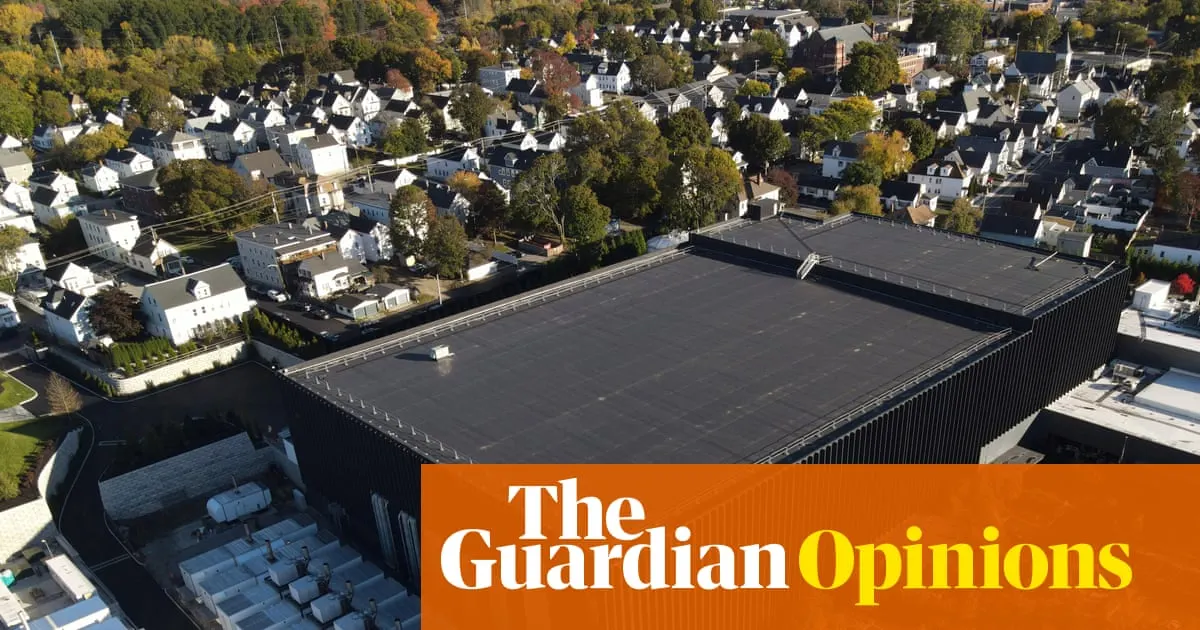
The latest US midterm results appear to have strengthened public resistance to AI expansion and the political influence of major technology firms. Although the cost of living crisis was a major factor in the Democratic gains, voters also backed measures to limit datacentre growth, challenging the assumption that rapid construction will face little opposition.
The article argues that communities are uneasy about datacentres’ energy demands and local effects, while workers fear being displaced and consumers face AI products pushed into everyday services. It says the wealth of tech executives has further fuelled resentment, and that resistance could slow investment in AI infrastructure and unsettle market confidence. The longer-term effect on technology companies remains uncertain; AI may raise productivity, but the article questions whether those gains justify current valuations.
In short
- Midterm results signal stronger resistance to AI expansion.
- Datacentre limits could slow infrastructure investment.
- The political backlash may add pressure to AI market valuations.
Steelman: both sides, in good faith
The strongest fair case each way — we don't pick a winner.
The case for
The results may reflect legitimate concerns about the costs of rapid AI expansion: datacentres can place pressure on energy supplies and communities, while workers and consumers may face disruption before the benefits are clear. Voters and local authorities have a reasonable interest in setting limits or conditions, and public resistance can press companies to account for these effects rather than treating growth as inevitable.
The case against
AI infrastructure could support innovation and productivity gains that benefit businesses, workers and consumers over time, even if the scale of those gains remains uncertain. Restricting datacentre construction too broadly could deter investment, constrain access to computing capacity and slow useful applications; predictable rules that address local impacts may serve communities better than resistance that leaves future development uncertain.
Explained simply
Artificial intelligence, or AI, refers to computer systems that can perform tasks such as generating text or analysing data. Many technology companies are investing in large datacentres, which house the computers that run these systems and use substantial amounts of electricity.
The debate involves technology firms and their executives, local communities concerned about energy use and other effects, and workers who worry that AI could change or replace some jobs. Consumers are also encountering AI features in everyday services, sometimes as companies add them quickly.
The issue matters because local objections or rules could affect where datacentres are built and how quickly companies expand AI. The potential productivity benefits and the scale of investment are also part of a wider debate about the technology’s economic value.
AI Americas Business Elections Politics Technology UK World
Read the full article at the source →
Originally published by The Guardian as “1-0 to humankind? US midterms vote puts AI, datacentres and the broligarchy back in their box”.